Russian AI to Help Doctors in the Philippines Analyze X-Rays and CT Scans
Russian medical imaging technologies are entering the Philippine market. Platforma Tret’ye Mnenie has reached an agreement with a local technology partner to deploy AI services at healthcare organizations across the country. The algorithms will help doctors detect diseases and pathological changes.
Just a few years ago, medical AI in Russia was viewed as a promising field that was still looking for its place in clinical practice. Today, that is changing rapidly. Medical AI is now used in 70 Russian regions. For example, products from Platforma Tret’ye Mnenie are deployed at healthcare facilities from Kirov Region to Yugra, where AI helps provide diagnostic services to residents of the Far North directly aboard medical vessels.
Neural networks are being used to process millions of medical studies, while Russian developers are offering their technologies to international partners. One such project will now be launched in the Philippines. Russian developer Platforma Tret’ye Mnenie and Philippine company Innovare Techne Systems signed an agreement on Aug. 26, 2026, to deploy clinical decision support systems. The agreement calls for Russian AI services to be integrated into the local partner’s digital platform, giving hospitals and clinics access to the technology.
Why the Philippines?
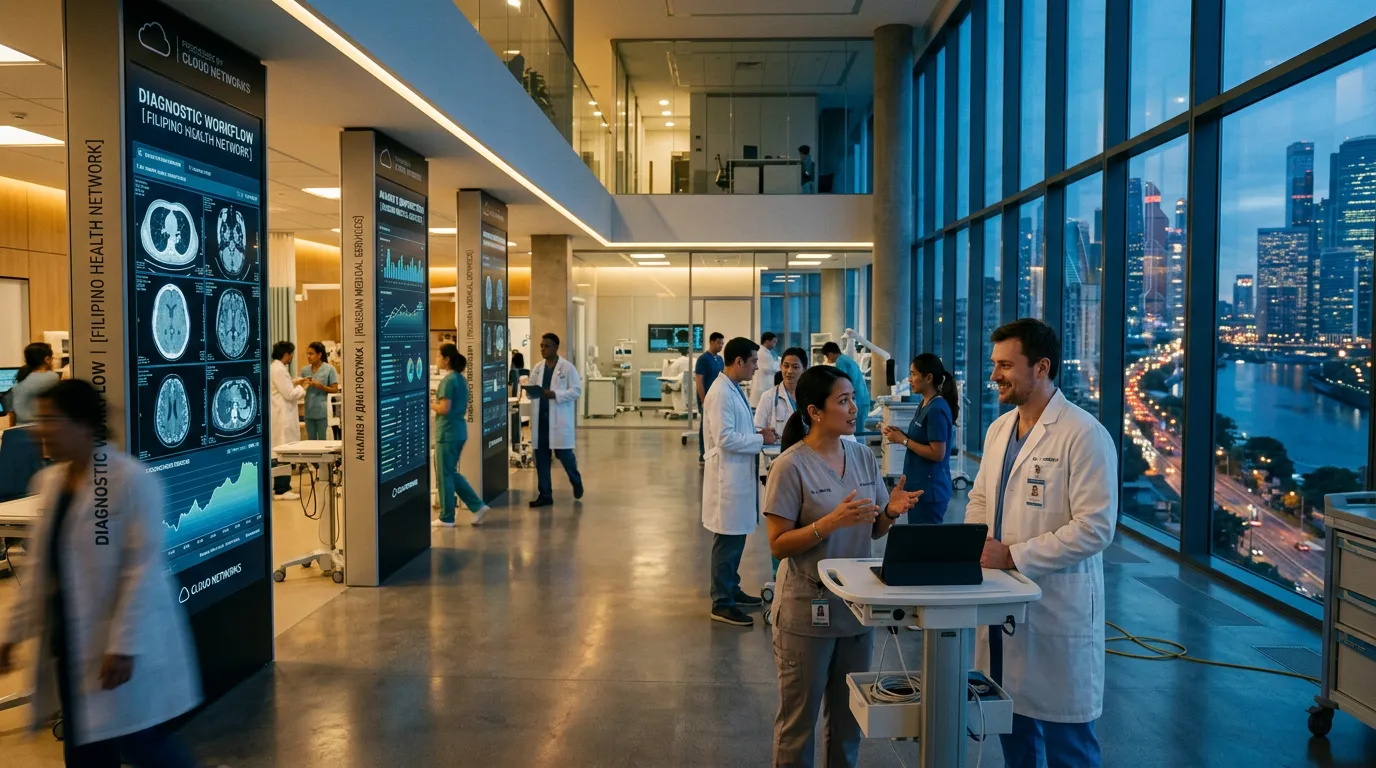
The Philippine healthcare system is facing a challenge that is common around the world: staff shortages and high workloads at healthcare facilities. AI-based diagnostics could improve access to imaging analysis and speed up the process. The Russian algorithms will be integrated into the Philippine company’s digital platform, which already works with local hospitals. This eliminates the need to build new infrastructure from scratch. Innovare has offices in Manila, Cebu, Davao and Zamboanga.
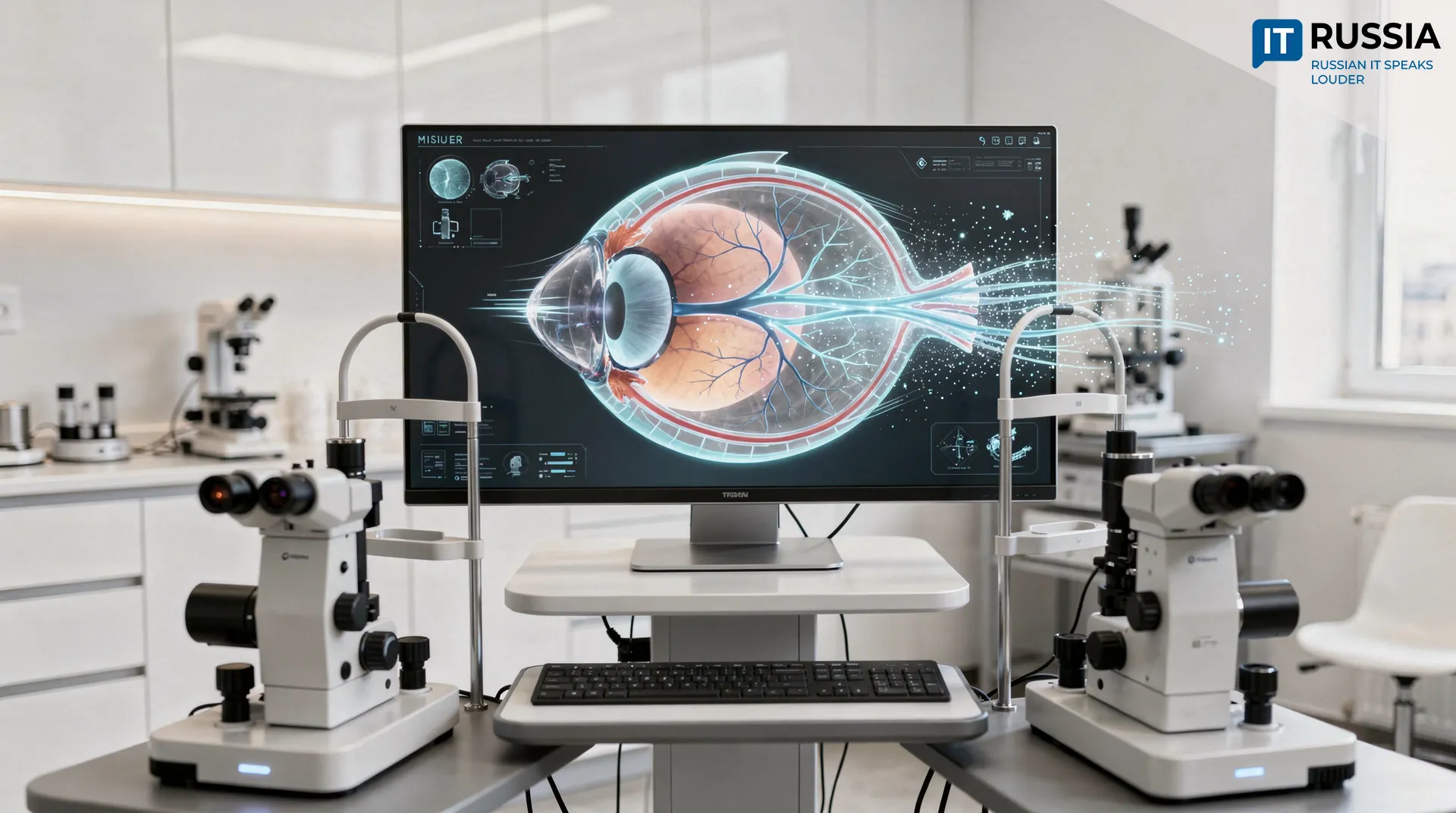
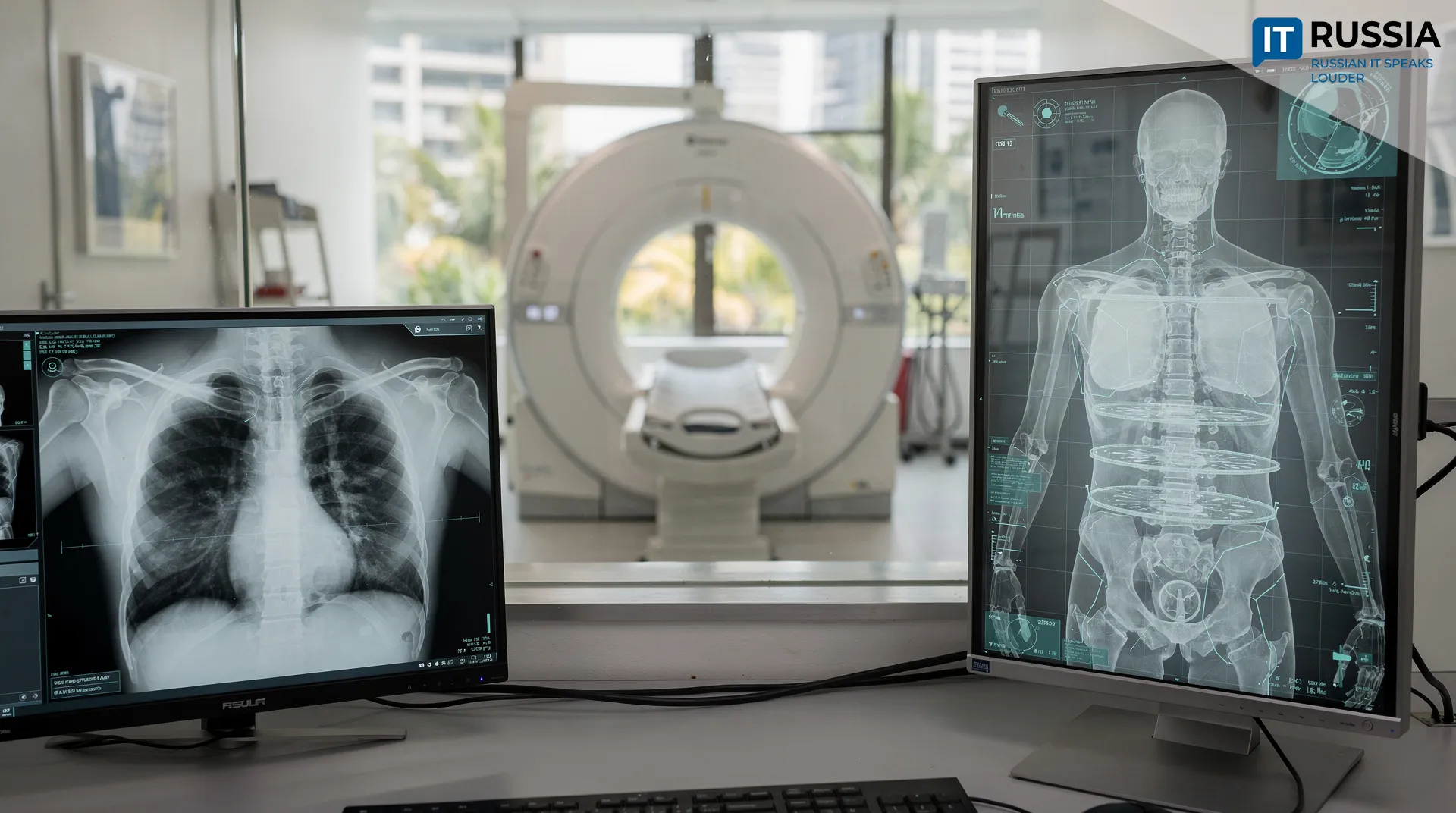
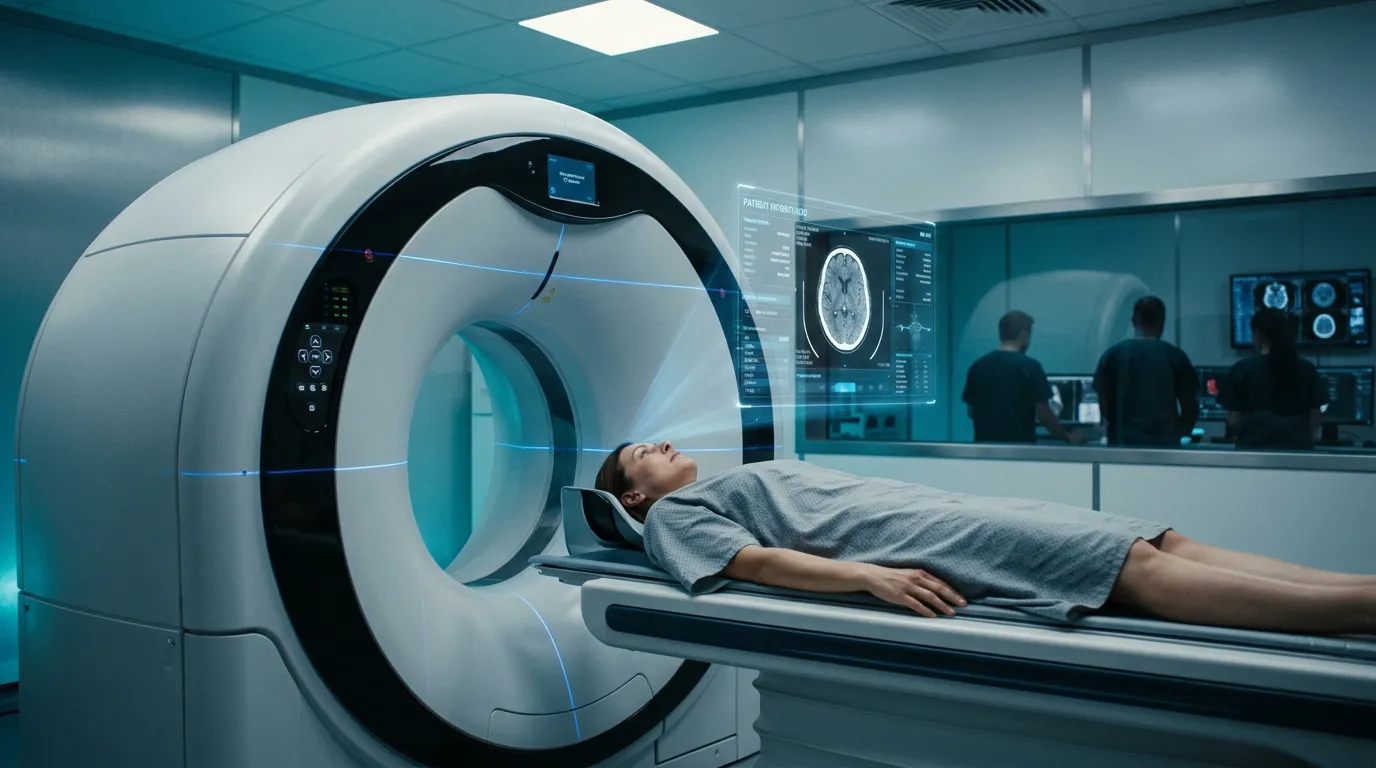
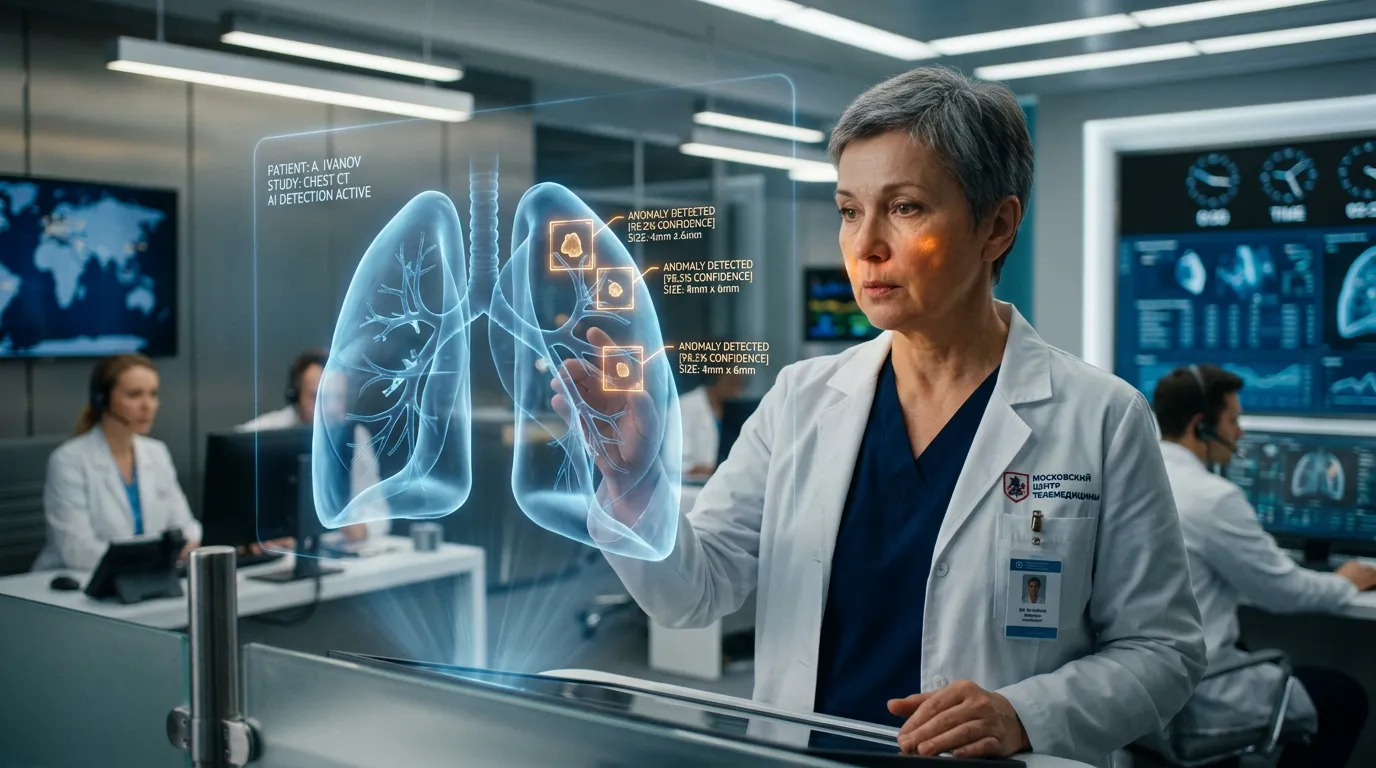
Platforma Tret’ye Mnenie’s systems are designed to analyze medical images, including X-rays, CT scans and other studies. The algorithms identify signs of disease, flag areas that require particular attention from a physician, perform automated measurements and generate draft reports. This reduces the workload on medical professionals and allows more studies to be processed in less time.
Growing Prospects for Cooperation
Russia’s Trade Representative in the Philippines, Artem Tsinamdzgvrishvili, said the agreement would make the country’s digital healthcare infrastructure more accessible to physicians. He also said bilateral trade exceeded $500 million in 2025, with technology projects now emerging as the next area for growth. Joint innovation initiatives could have a potential value of hundreds of millions of dollars, he said, calling that a significant result.
Yulia Zaitseva, director of marketing and external communications at Platforma Tret’ye Mnenie, said Russia has technologies to offer Philippine physicians. Medical AI is already widely used in routine practice in Russia. In 2026, every Russian region is expected to use at least five AI-enabled medical devices, with that number set to rise to at least 12 by 2030.
The Future of Medicine
Computer vision is considered one of the most promising applications of AI in healthcare. A medical scan can be represented as a digital image, allowing a model to be trained to identify specific visual signs of disease. Russian researchers have been developing this field for years. In 2022–2023, Platforma Tret’ye Mnenie underwent practical testing in Russian regions. In Tyumen Region, for example, its algorithms were used to automatically interpret X-ray examinations.
In 2024, Russian regions gained access to the MosMedAI platform, which uses computer vision algorithms to analyze CT scans, X-rays and mammograms. By 2026, dozens of regions and thousands of healthcare organizations had connected to the platform.
The agreement with Innovare Techne Systems could become another step for Platforma Tret’ye Mnenie as it expands its international business. If the project delivers good results, the model could be extended to more healthcare organizations. The potential applications are not limited to X-rays and CT scans, as the range of capabilities can expand along with the number of clinical tasks the technology is used to address.
For Russia’s IT market, this represents an important path for growth. A product developed to address a specific need within the Russian healthcare system can also successfully operate in other markets.