Moscow-Based HSE University Develops Terahertz Neuromorphic Circuit for 6G Networks
It is designed to pinpoint the location of devices inside enclosed spaces with high accuracy.
The telecom industry is gradually preparing for the next technology era. Leading research institutions are developing systems that will support sixth-generation, or 6G, communications, and Russian researchers are actively working on the same technologies.
Accuracy and Energy Efficiency
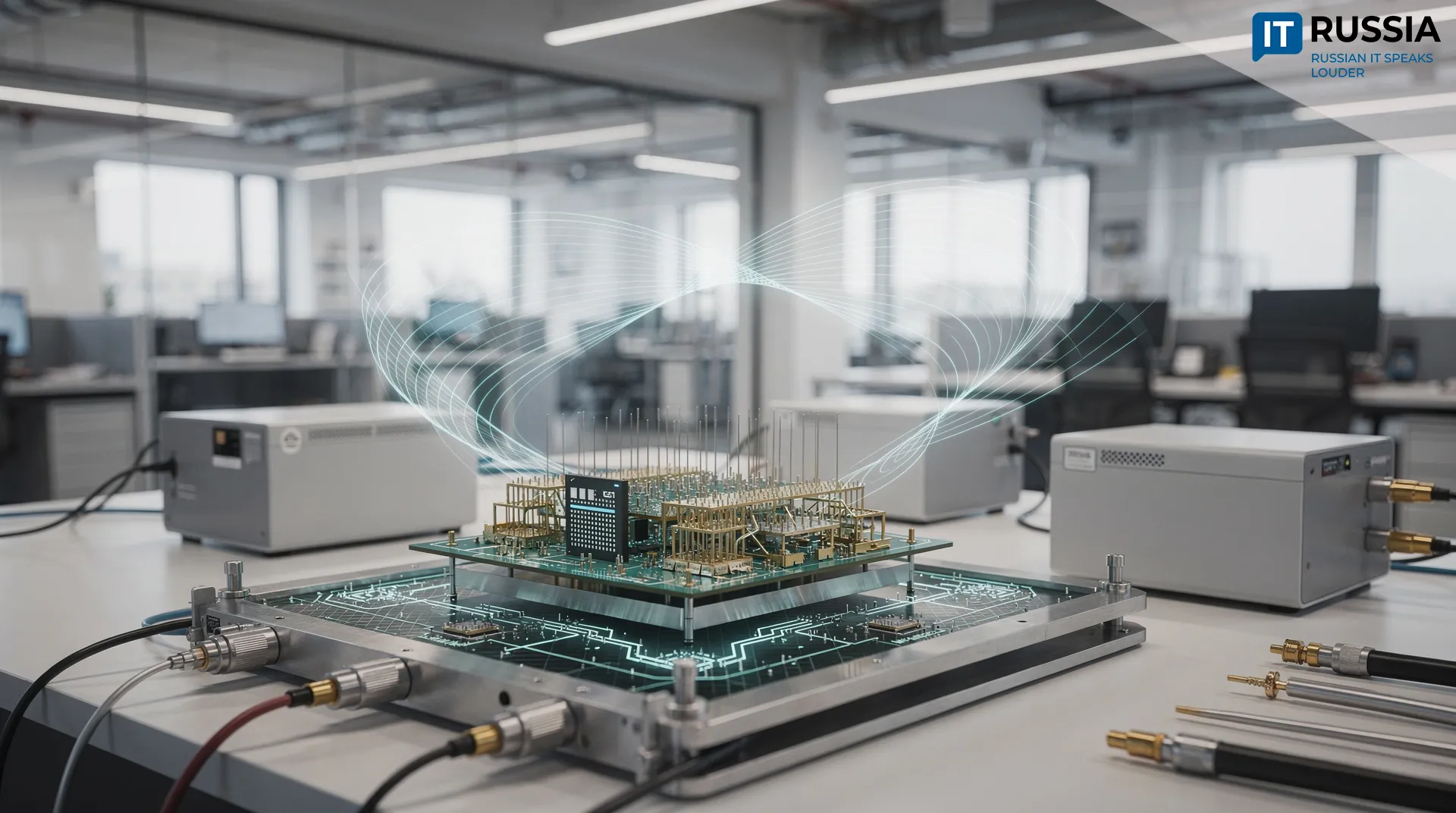
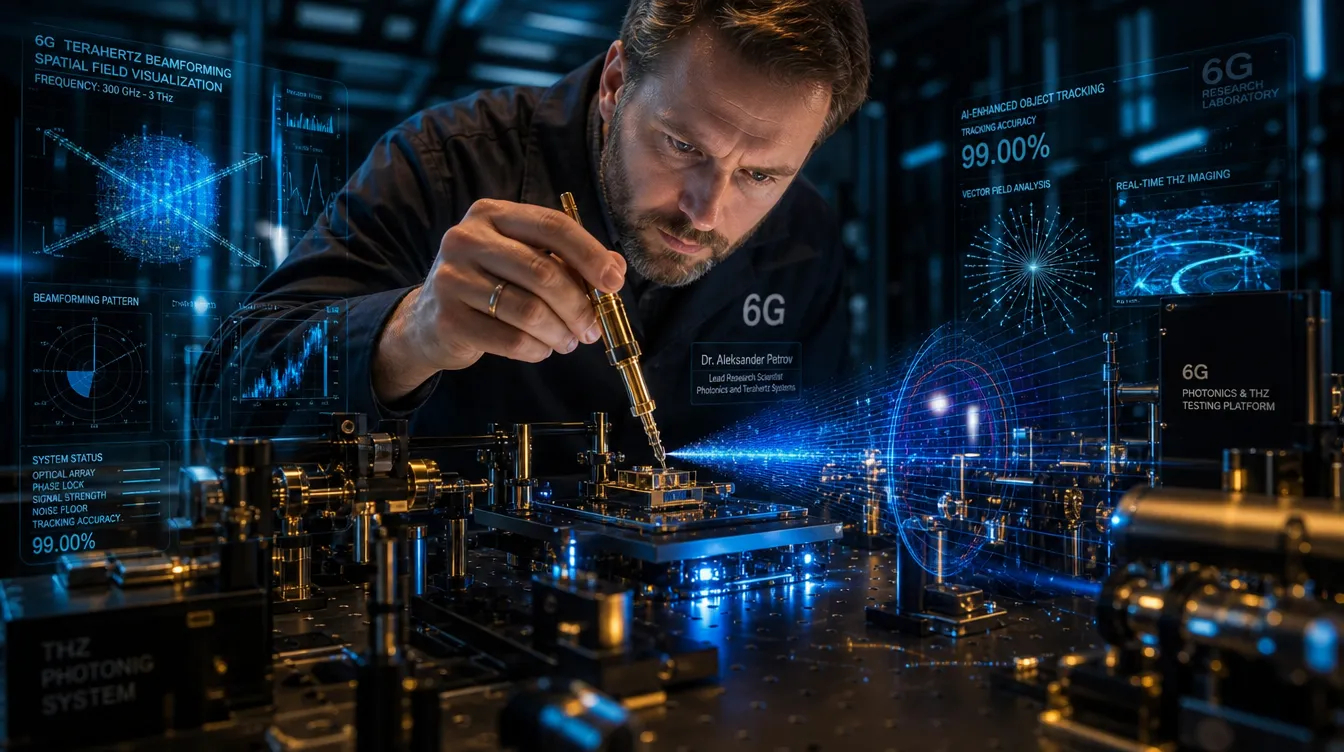
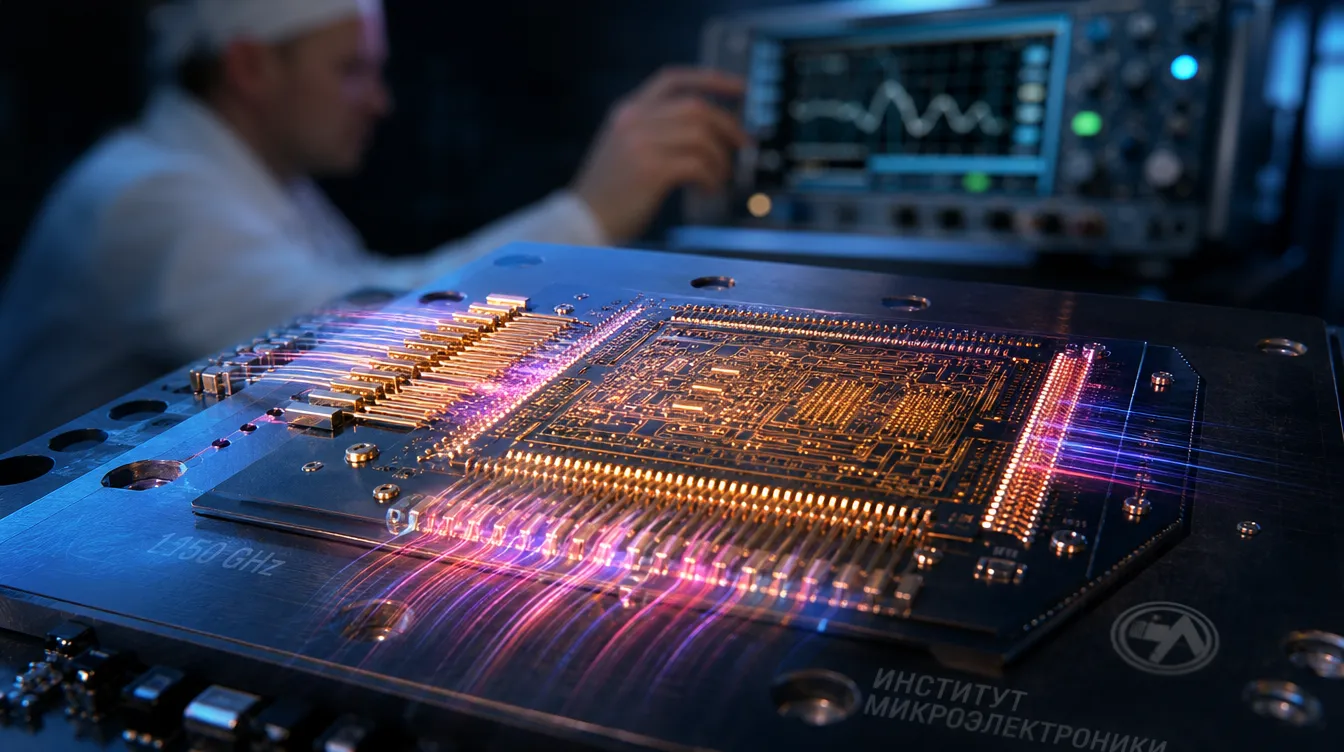
Researchers at HSE University have unveiled a new development: a silicon terahertz neuromorphic circuit designed to make 6G communications both more accurate and more energy-efficient. The technology can determine the location of mobile devices indoors with up to 99% accuracy. The HSE team presented the new technology at PIERS 2026, an international symposium on photonics and electromagnetics held in China.
“The technology is designed for next-generation wireless civilian communications systems. It is part of Integrated Sensing and Communication (ISAC), a technology in which a single system can transmit data while simultaneously gathering information about its surrounding environment,” HSE's press service said. Notably, leading international expert organizations identify ISAC as one of the key technologies for the development of 6G networks and IMT-2030.
Computing Happens Directly on the Circuit
The key feature of the Russian technology is that analog computing takes place directly on the circuit in the terahertz range. That eliminates the need for conventional computer architectures that consume large amounts of power. The approach also simplifies the device's circuit design and lowers operating costs compared with optical alternatives. During modeling and testing across a range of scenarios in an office environment, the circuit achieved object-tracking accuracy of up to 99% at a radio frequency of 150 GHz.
HSE's press service added that the research was conducted as part of the university's strategic technology project, “A Comprehensive Technology Suite for Trusted 6G Communications,” under HSE University's 2025-2036 development program. The program won a competition under the national Strategic Academic Leadership Program “Priority-2030,” part of the national “Youth and Children” project.
Meeting a Strategic Goal
For Russia, developments of this kind have strategic importance. The country is already building a domestic component base for future communications systems. That will make it possible to deploy more advanced infrastructure with minimal dependence on imported components. The approach is fully aligned with Russia's Communications Industry Development Strategy through 2035, which specifically addresses the need for radio-frequency resources for 6G systems.
The latest HSE development is part of a broader university program aimed at creating domestic technologies for next-generation 6G communications systems. The program was announced in October 2025. One of its main priorities is the development of the sub-terahertz spectrum, meaning frequencies above 100 GHz. This spectrum was previously used only to a limited extent in practical communications systems because of technological constraints. Today, however, it is becoming critical to 6G development because it can deliver extremely high bandwidth and minimal signal latency. The program followed test deployments of Russia's first next-generation data transmission channel, carried out by HSE researchers. They succeeded in bringing network speeds to 12 gigabits per second.
In the spring of this year, it became known that the technological foundation for Russia's transition to 6G could be in place by 2032. Senator Artem Sheykin announced the timeline and said Russia's Ministry of Digital Development had allocated 750 million rubles (about $8.6 million) for research and development in this area. Pilot zones using the new communications technology could be operational by 2028.

In other words, Russia is building new technological capabilities even before the first international standards for future communications have been finalized. That work creates an important foundation not only for the domestic market. If Russian technologies reach commercial production, they could also have significant export potential.