Russian Aviation Moves Under Kupol
Aeroflot has launched a Russian maintenance management system with 3D visualization that will replace foreign AMOS software and is set to become an industry standard.

Aeroflot Group is beginning industrial operation of the Russian Kupol (Maintenance and Repair Management) system for aircraft maintenance and repair. The platform fully replaces foreign AMOS software, helping maintain continuity in critical airworthiness processes while strengthening the aviation industry's technological independence.
End-to-End Management and 3D Visualization
Kupol is an integrated environment for managing an aircraft's life cycle, from production through retirement. The system consolidates data on technical condition, component replacements, detected defects and flight hours.
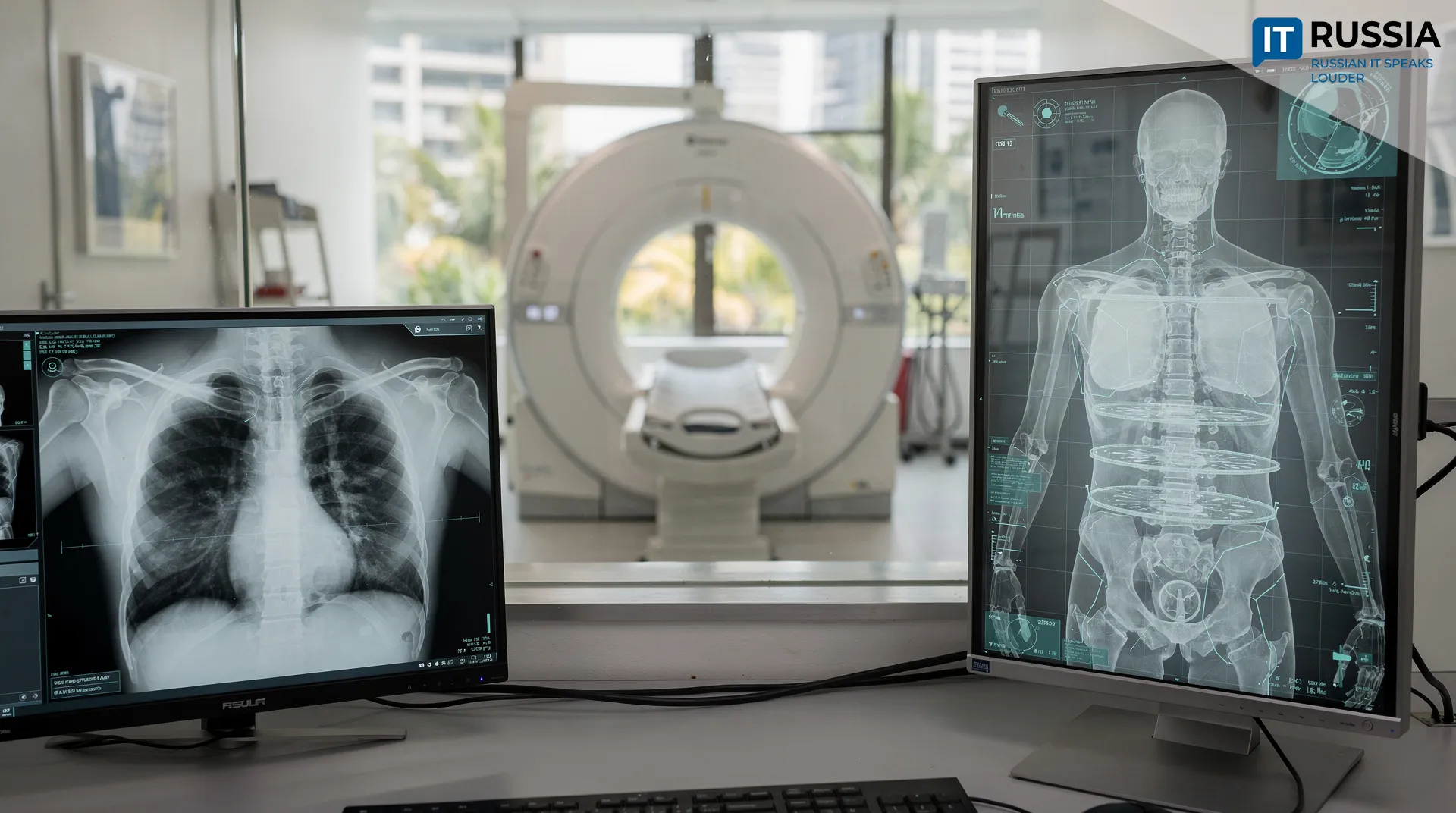
The platform's fundamental difference from conventional databases and foreign counterparts is its integration with three-dimensional digital models. Engineers get interactive 3D instructions and can visualize damage directly on a virtual copy of the aircraft.
Kupol's multilingual web interface requires no specialized software installation. In practice, the system can sharply reduce the risk of errors during complex maintenance work and speed up diagnostics. Over time, the accumulated data could support a shift from efficient aircraft operation toward predictive technologies, fundamentally changing how aviation equipment is maintained. By automating processes and shortening response times to abnormal situations, the system could reduce aircraft downtime by 10%.

One Digital Space for the Industry
The system connects information flows from aircraft manufacturers, airlines and service organizations. Engineering data can now be transferred seamlessly, creating a transparent maintenance history for each aircraft.
The product is being developed and deployed by units of Rostekh (State Corporation Rostec): systems integrator RT-Proyektnye tekhnologii and Inzhenernyy tsentr informatsionno-analiticheskikh sistem (Engineering Center for Information and Analytical Systems). The platform was conceived as a tool for after-sales support of the future Russian MC-21 and SJ-100 aircraft, as well as the PD-14 and PD-8 engines developed by United Engine Corporation. That setup allows operating data to flow directly from the manufacturer to the airline from the first day a new aircraft enters service.
Aeroflot, meanwhile, has signed agreements to use the system with other market participants, including Sibir (S7) and UTair. Foreign partners are also showing interest: talks have been held with Belavia, while countries in Latin America have expressed interest. Over time, the product is expected to become a common digital standard across Russian aviation.

Leader in Russian Software Adoption
PJSC Aeroflot is Russia's largest airline. Founded in March 1923, the company is also among the world's largest aviation groups. In 2025, the group carried 55.3 million passengers and operated a route network of about 290 destinations. Revenue reached 902.3 billion rubles, or about $10.4 billion, while net profit was 105.5 billion rubles, or about $1.2 billion, at the September 3, 2026 official exchange rate. The company complies with IOSA and ISAGO standards.
Aeroflot is now systematically replacing foreign IT systems, starting with those most critical to flight operations and moving toward more specialized applications. In 2023, the airline's management announced a program to replace 131 foreign systems. By 2024, Russian software accounted for 95% of the company's total IT budget.
In 2022, the airline moved booking and ticketing from the US-based Sabre system to the Russian Leonardo platform. By November of that year, every airline in Russia was already using the Russian system. In 2024, Aeroflot launched Elektronnyy portfel pilota (Electronic Pilot Portfolio), an application with navigation charts, flight assignments and operational documentation that runs on tablets using the Avrora operating system. In 2025, the airline switched to the Russian ACARS aviation communications service for digital data exchange between aircraft and ground systems. In effect, the carrier has been replacing specialized software that directly affects flight safety and operational reliability.
Aeroflot is currently running about 200 IT projects simultaneously, each significant in its own right and requiring complex integrations. Kupol addresses one of the most challenging segments: highly specialized engineering software for which no direct domestic equivalent was available when the project began.

A New National Standard
The key measure of the project's success will be Kupol's ability to support uninterrupted operations across a large, mixed fleet of aircraft in different configurations. If the platform demonstrates its economic and technical effectiveness under Aeroflot's operating conditions, it is likely to evolve into an industry standard, bringing fragmented digital tools into a unified national framework for flight safety and operational reliability.