Digital Assistant in MAX Helps St. Petersburg Social Workers Cut Reporting Time
Social service staff can now spend more time with the people they support. A digital system takes over part of their routine workload. Similar assistants for social workers in the MAX messenger are expected to roll out in other Russian regions soon.
St. Petersburg officials have released early results from deploying a digital assistant for social workers built on the MAX messenger platform. According to city data, within two months the time required for staff at integrated social service centers to complete reporting dropped from 16 hours to 4 hours per month.
15 Seconds to Log a Service
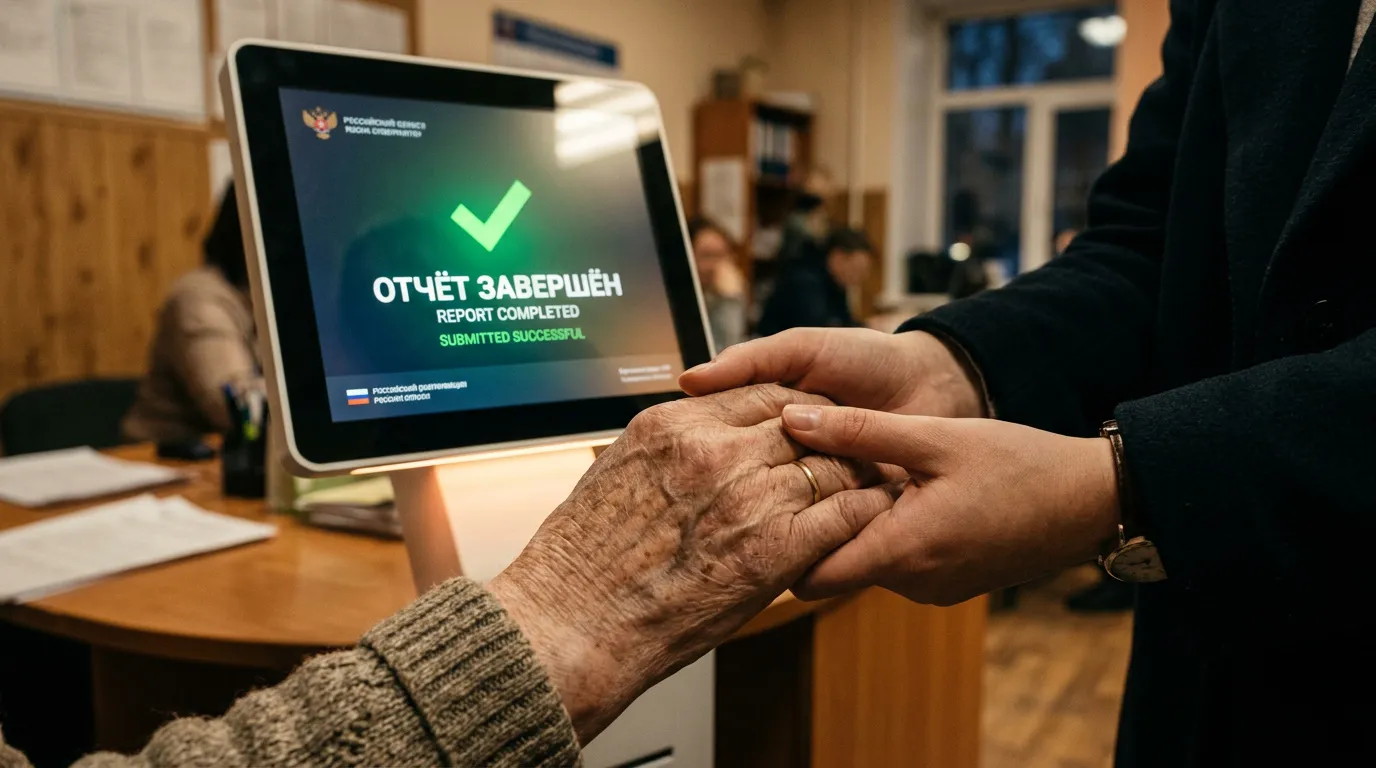
More than 1,000 social workers across the Petrogradsky, Kronshtadtsky, Admiralteysky, and Krasnoselsky districts now use the service. Entering brief details about a completed service through the chatbot takes about 15 seconds, while a software robot handles the subsequent data transfer.
In practice, automating internal workflows in social services reflects both the maturity of Russian technology and strong demand for it. The broader development of the tech sector improves the experience for people accessing public services. Time saved allows staff to focus more on veterans, participants in the special military operation, people with disabilities, and residents in difficult life situations. As a result, accessing services becomes faster and more convenient, and the model could be replicated in other regions.
A Platform Approach with Export Potential
For now, the assistant operates in St. Petersburg and is expected to expand citywide in the near term. The project is already integrated into the city’s service ecosystem within MAX: residents can book appointments at MFTs (multifunctional centers), request home doctor visits, contact specialists, interact with the 112 service for non-emergency cases, access selected features of the Ya zdes zhivu (I Live Here) app, and use the MAX ID digital profile.
That means the assistant can evolve into a core digital component of social service delivery. It can handle visit logging, task routing, reminders, service deadline tracking, automated report generation, and integration with regional and federal social support systems.
The rollout also positions MAX as a user-friendly environment for applied government and professional use cases. MAX combines a secure messenger, a chatbot builder, and industry-specific templates for public services and social work. This makes the Russian solution potentially attractive in CIS markets and other partner jurisdictions.
Expanding Services Year by Year
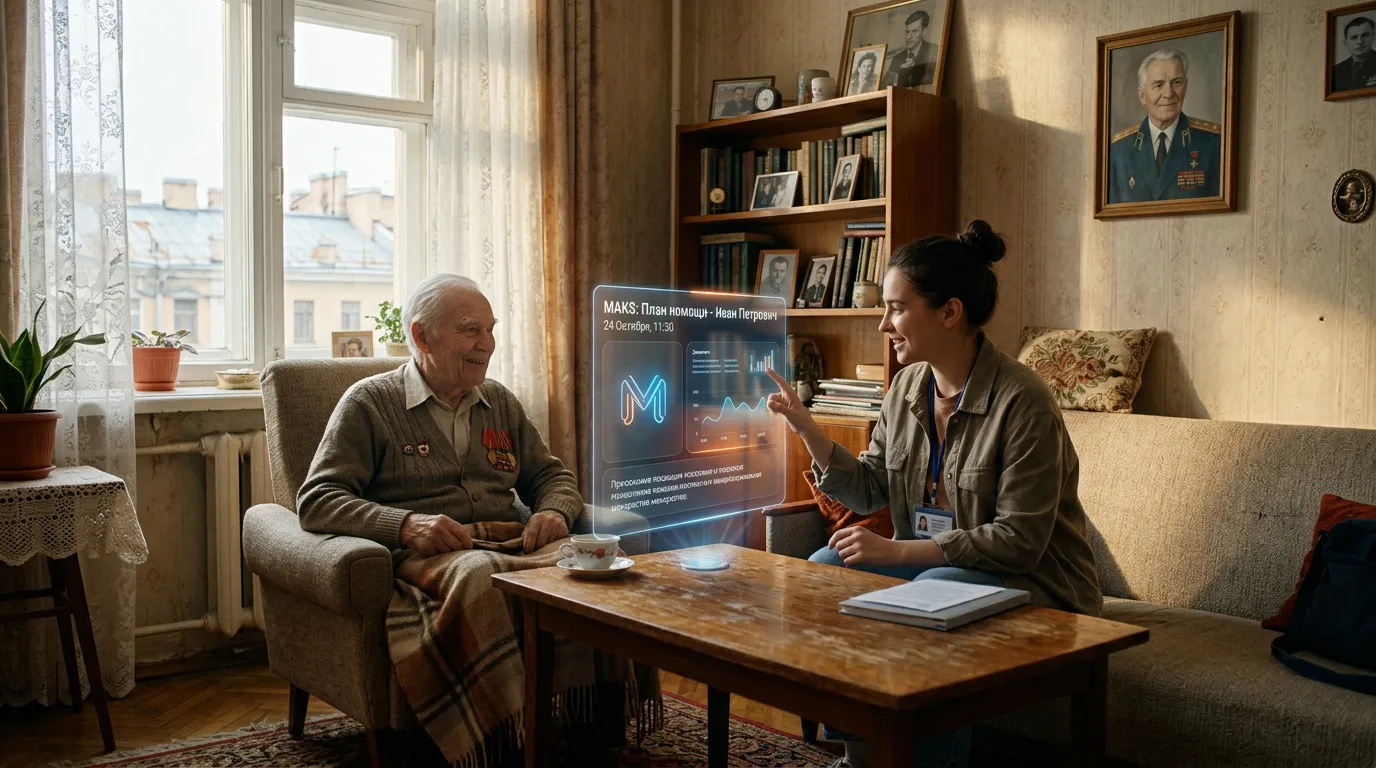
In March 2026, the city announced further expansion of services within the MAX messenger. Between 2023 and 2025, Russia established the regulatory framework needed to shift from fragmented social IT systems to a unified digital platform. Over the past year, MFT chatbot assistants have appeared in multiple regions, allowing users to access reference information, check application status, book appointments, and locate nearby centers. Now, internal workflows are also moving toward automation.
Similar trends are visible internationally. In the United Kingdom, digitalization of social services has become a distinct policy focus. A 2022 plan for digitizing healthcare and social care set a target for 80% of registered care providers to maintain digital records by March 2024. In England, social workers began using an AI system called Magic Notes in 2024, which records meetings, generates summaries, and suggests next steps.
Next Steps for the Service Model
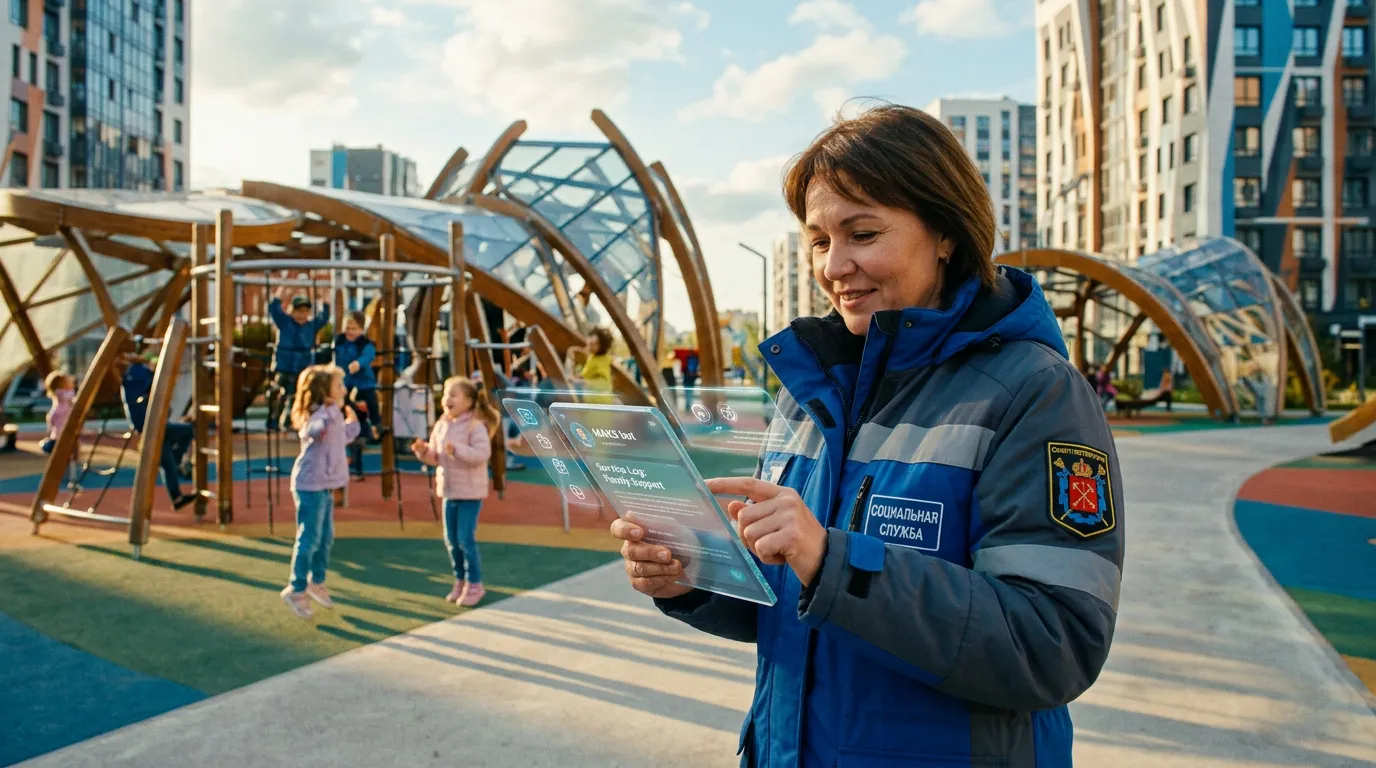
At this stage, digitalization has reached one of the most critical parts of social work – post-service reporting. The next priority is to maintain data accuracy while protecting residents’ personal information. Agencies also need to train staff to use modern tools and ensure stable, reliable integration with departmental systems.
If the pilot continues to deliver the reported efficiency gains, St. Petersburg could scale the approach across all districts. Similar solutions may then extend to other regions and adjacent sectors, including MFTs, healthcare, housing and utilities, guardianship services, veteran support, and citizen request handling.