Researcher in Samara Develops Cyber Defense System for UAVs
Graduate researcher Viktor Ushakov at Povolzhskiy gosudarstvennyy universitet telekommunikatsiy i informatiki (Volga State University of Telecommunications and Informatics) is developing a system to protect unmanned aerial vehicles from network-based attacks. The project is currently at the prototype testing stage.
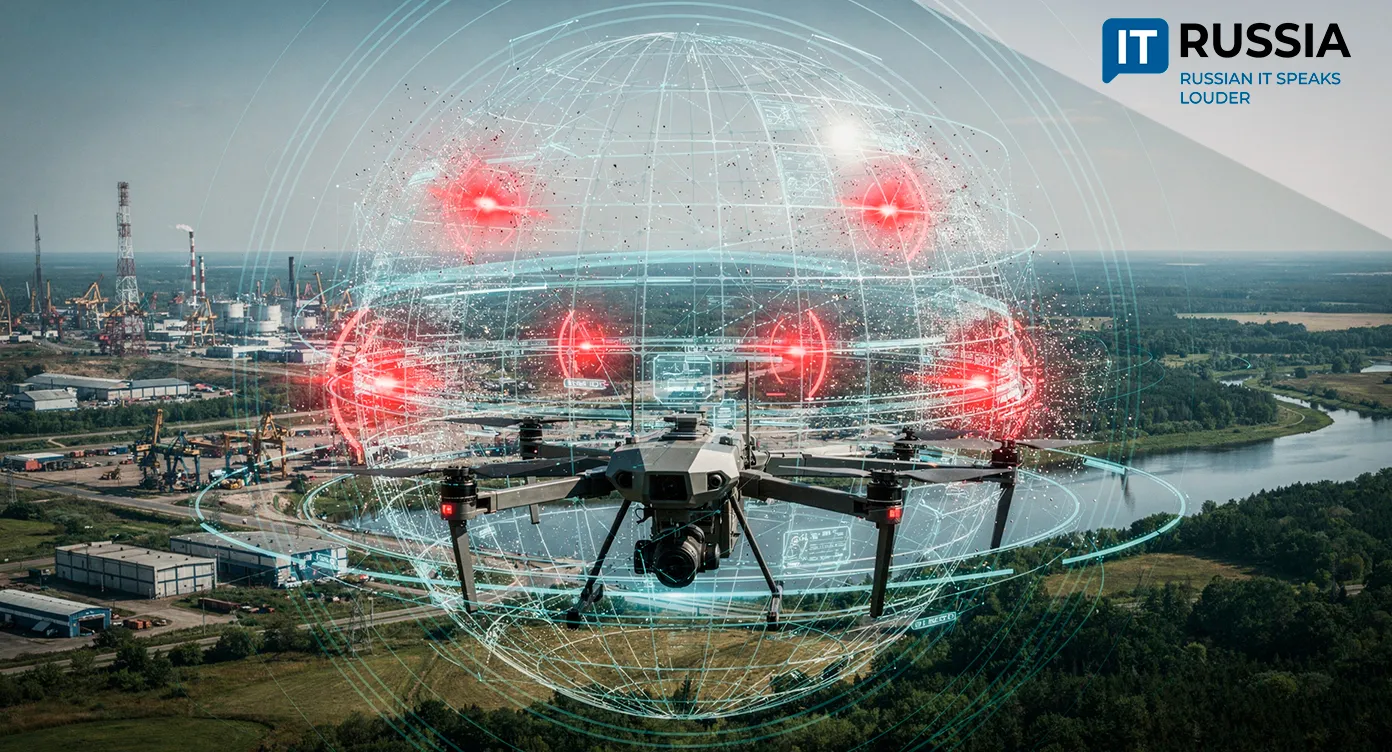
The system analyzes drone traffic in real time, distinguishes normal communication from malicious activity, and responds automatically. It can throttle suspicious requests or shift the UAV into a safe mode. The approach is designed to defend against DDoS attacks, signal spoofing, and unauthorized interference with communication channels.
Security as a Core Requirement
Although still a prototype, the work highlights a broader issue for the IT and security community. A drone is effectively a networked device, with communication links, software stacks, and an expanding attack surface. If brought into operational use, the system could strengthen security in civilian applications, including emergency response, cargo delivery, infrastructure monitoring, and environmental oversight.
At the national level, the prototype can be seen as part of a push toward technological independence in unmanned aviation systems. Drone manufacturers, operators, regulators, and certification bodies all need domestic cybersecurity capabilities. International research also points to UAV exposure to DDoS attacks and identifies early threat detection as a critical requirement. If the system proves effective, it could attract interest beyond Russia.

Aligning with Global Trends
The development reflects a shift from physical protection of UAVs to full-spectrum cybersecurity for drones as connected devices. That shift is driven by plans to scale civilian unmanned aviation systems. By 2030, Russia aims to increase drone production nearly ninefold, reaching 157,000 units, while the domestic market share is expected to grow from 41.5% to 70%.
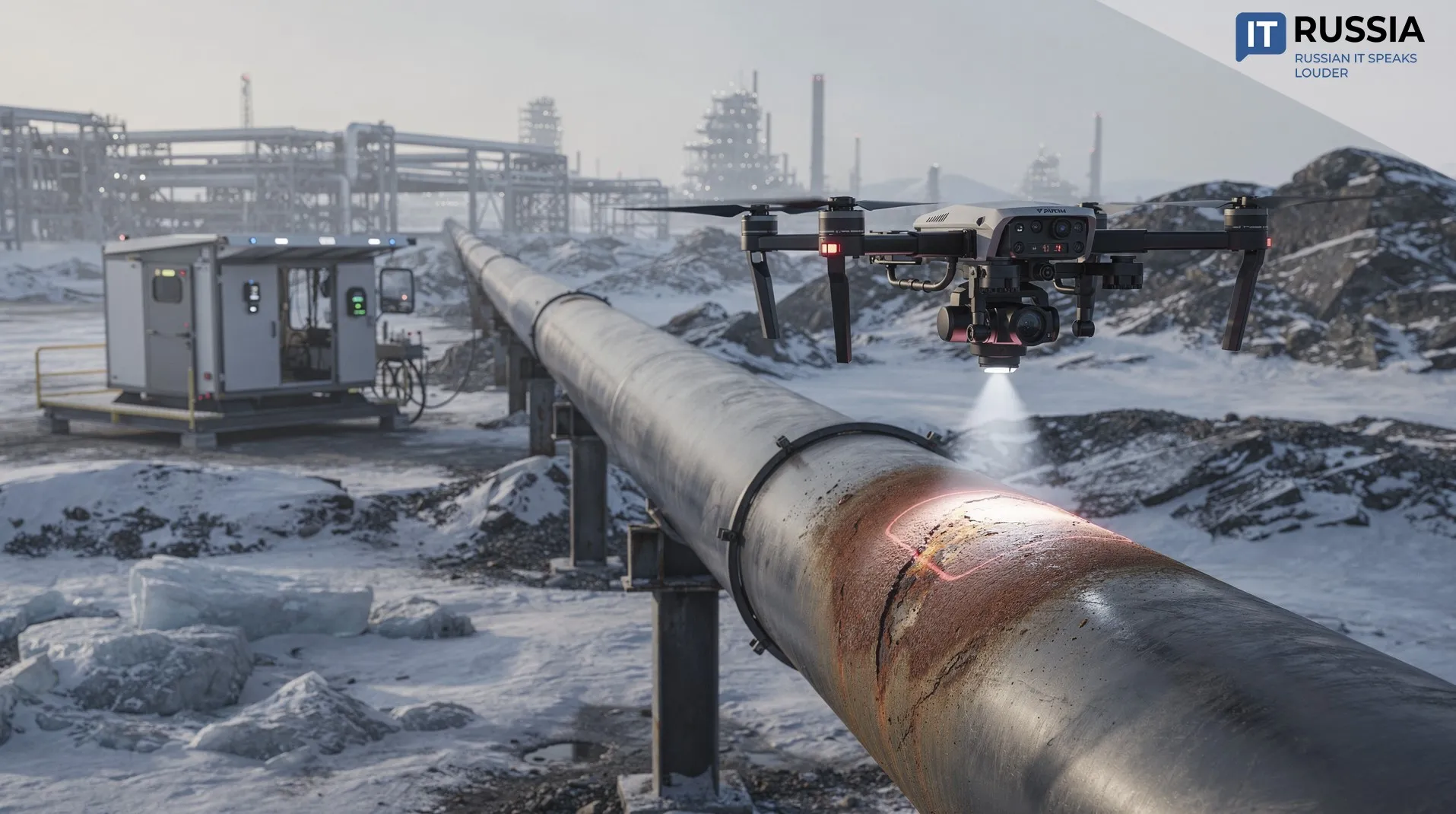
Demand for such technology spans delivery, logistics, industrial operations, including monitoring of power lines, pipelines, and energy infrastructure, as well as certification and standardization. In 2025, AO GLONASS and the association Doverennaya platforma (Trusted Platform) initiated an experimental legal framework to develop standards for protecting UAV systems against cyberattacks.
If the system proves lightweight in computational terms, compatible across platforms, and effective in real-world conditions, it could be positioned for export. Similar security priorities are emerging globally.
Early Detection as a Security Layer
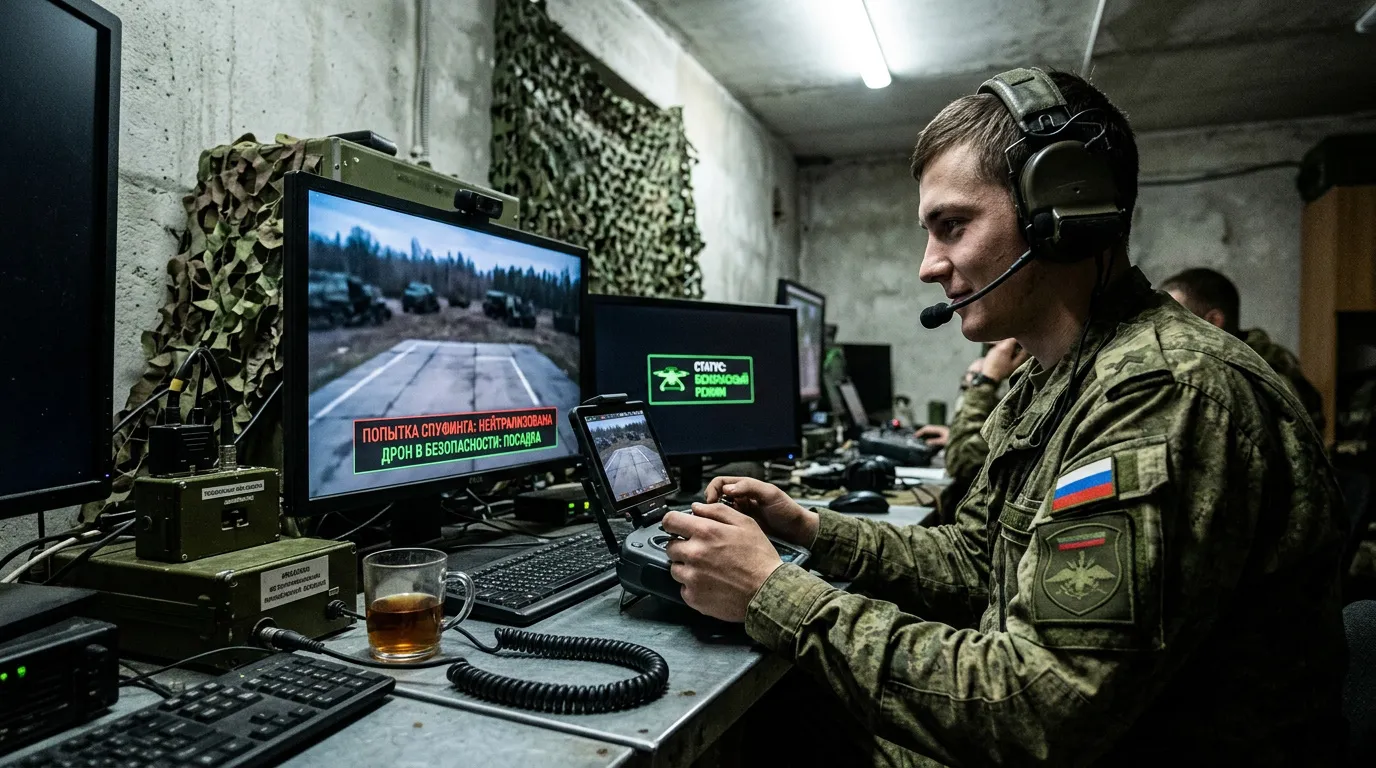
Researchers have been working on UAV cybersecurity for several years. In 2024, SPbU introduced a cyber protection module capable of detecting and neutralizing threats, restoring flight paths during spoofing attempts, and enabling emergency landing if needed. That same year, a study in Results in Control and Optimization explored machine learning for detecting DoS attacks in UAV networks, identifying early detection as a critical stage in securing drone operations.
In the United States, senators introduced the DETECT Act, which calls for NIST to develop cybersecurity guidelines for civilian drones used by federal agencies in public safety contexts.
In 2025, AO GLONASS and the association Doverennaya platforma secured an experimental regulatory regime to establish unified standards for UAV cybersecurity, with an emphasis on security by design. Researchers at SPbU also developed a prototype drone with cyber-immunity features, including geofencing capabilities tied to future certification and airspace management frameworks.
In 2026, the Rudnevo technopark hosted the first phase of an experiment testing the resilience of UAV command-and-control, or C2, links. During the exercise, participants simulated cyberattacks by compromising control channels and injecting false commands. More than 50 experts took part.

Built-In Cyber Resilience
Ushakov’s work reflects a broader shift in Russia’s UAV sector, where built-in cybersecurity is becoming a priority alongside hardware development. As drones integrate into distributed digital infrastructure, securing communication channels becomes essential. Real-time traffic analysis and machine learning are emerging as promising approaches.
Over the next two years, the focus will shift to operational performance, including eliminating control latency and accurately distinguishing between cyberattacks and unstable connections. The technology could become part of future requirements for industrial UAV systems used in infrastructure monitoring, logistics, agriculture, urban services, and emergency operations.