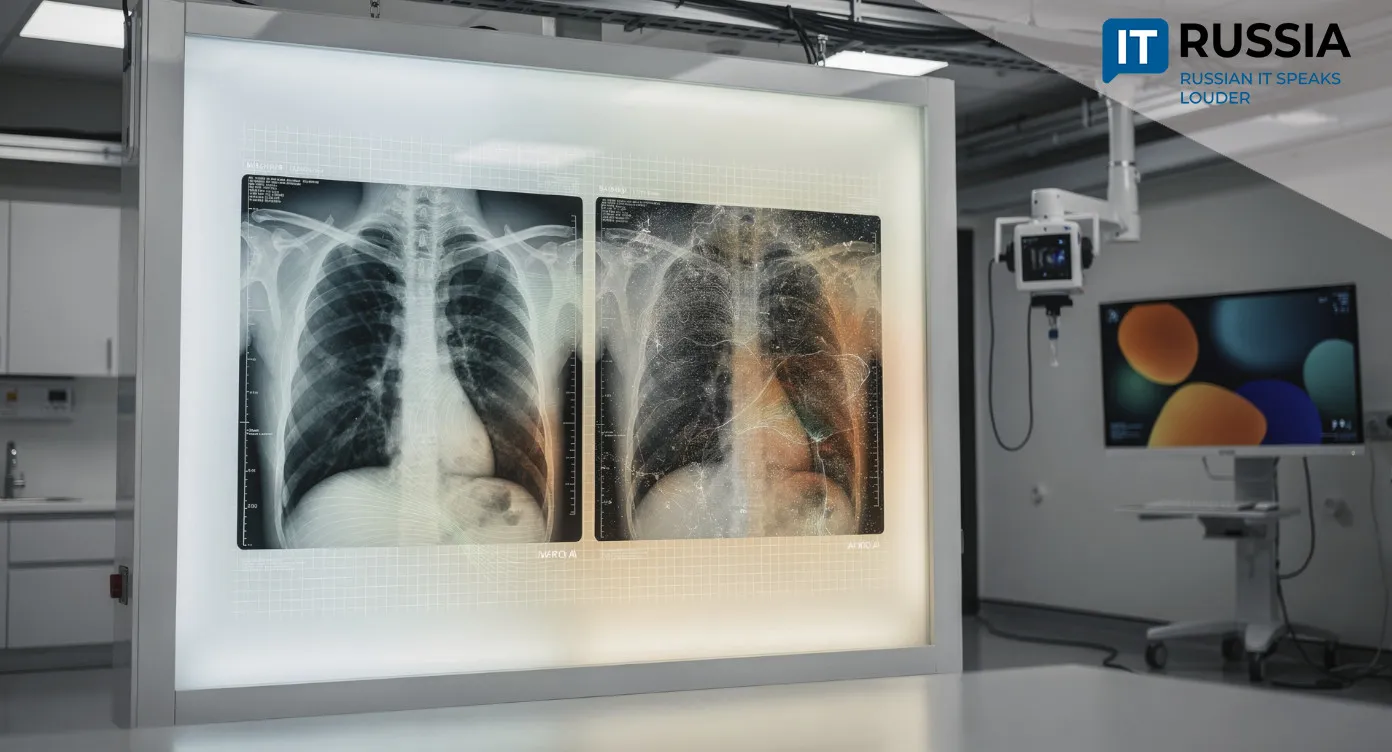
Robots Against Failures: Kemerovo Rethinks Heat Network Diagnostics
By the end of May, robots will once again take on heat network diagnostics in Kemerovo. For the city, this is no longer a pilot project but a proven tool for preparing infrastructure ahead of the next heating season.
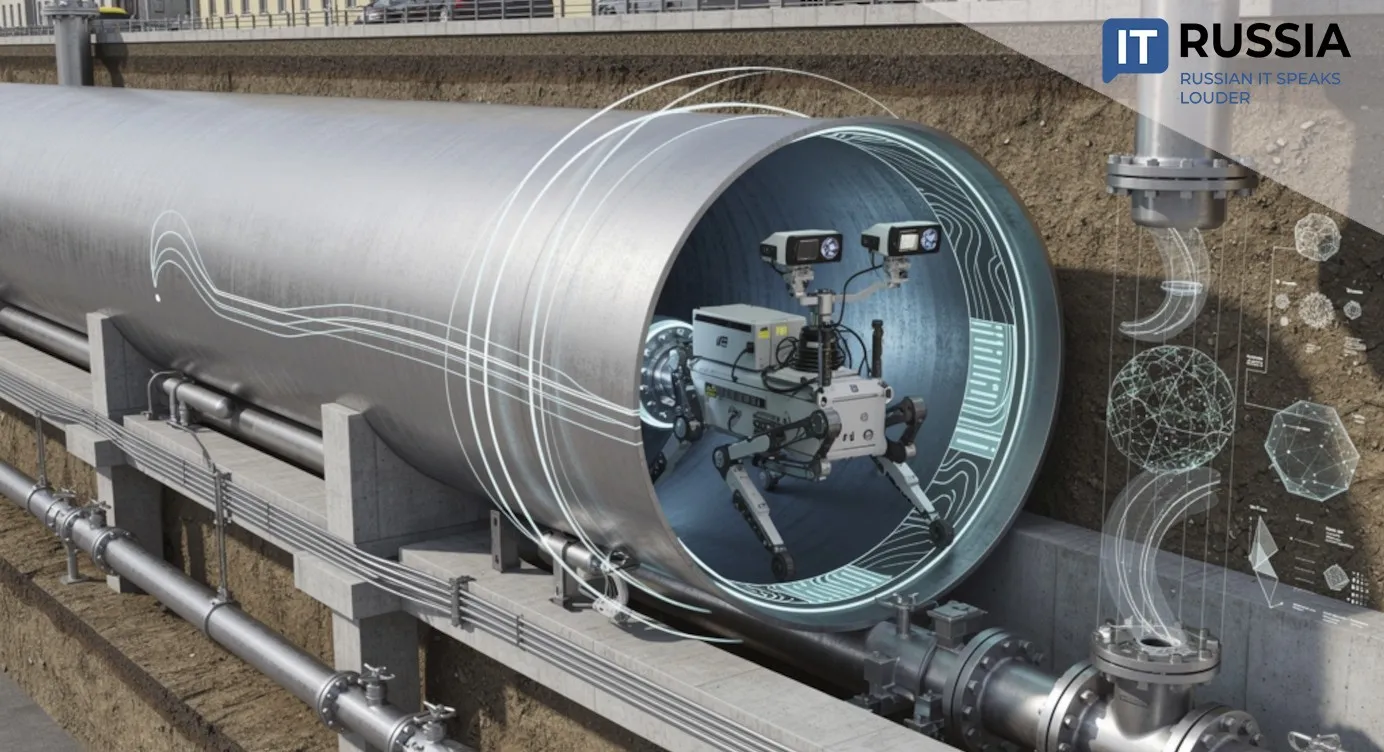
Work will run from late May through July 2026. A specialized contractor from Saint Petersburg will deploy the robotic systems in Kemerovo. Together with engineers from the Kemerovo Heat Network Company, they will inspect 22 pipeline sections with a total length of 6.6 kilometers.
This season, the program focuses on large-diameter trunk pipelines ranging from 400 to 1,000 mm, which form the backbone of the city’s heat supply system. The work will cover several districts – Central, Kirovsky, Leninsky, and Zavodsky – with scheduling aligned to planned hot water outages, minimizing disruption for residents.
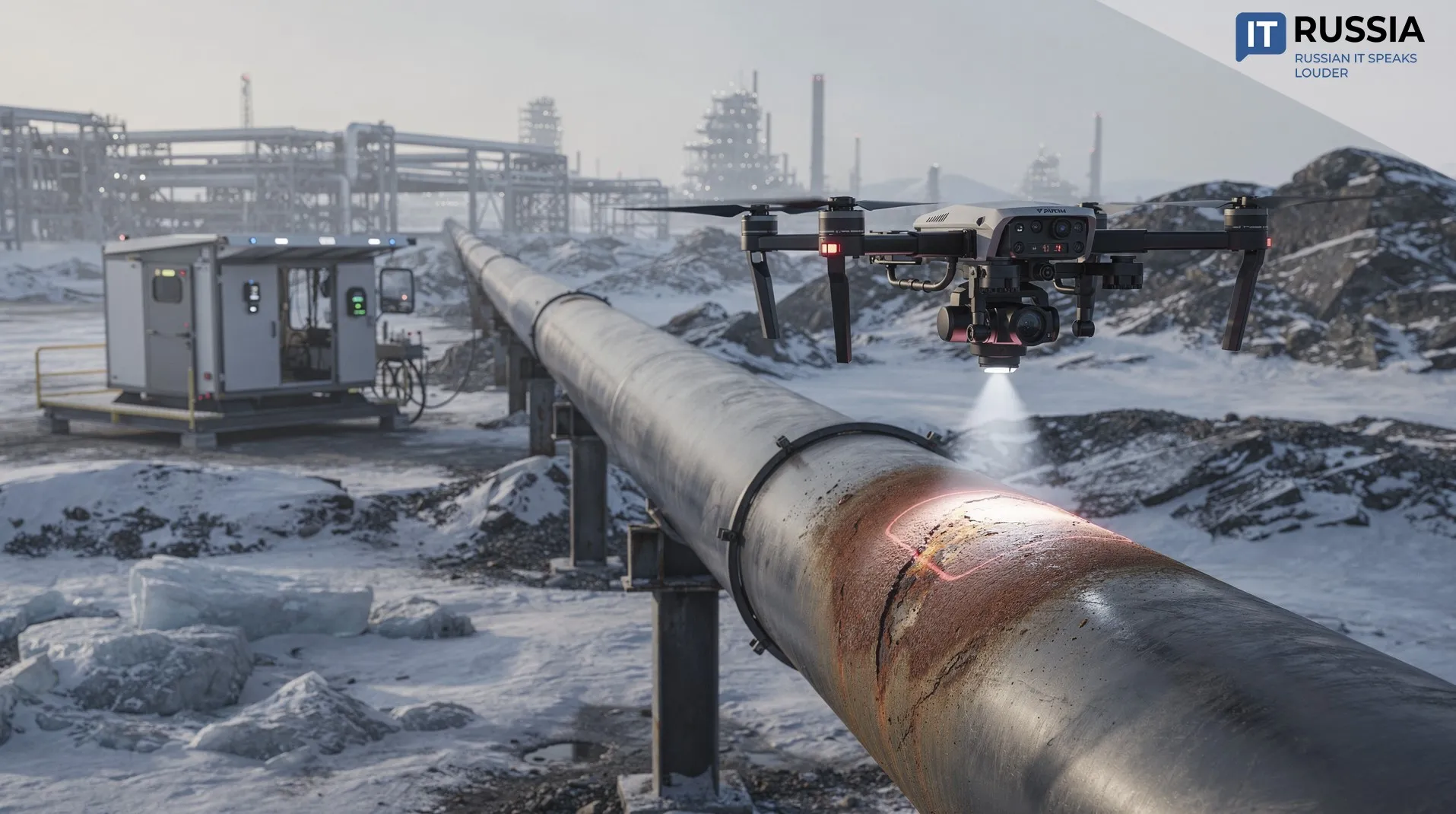
The robotic system will detect defects on both the inner and outer pipe walls using magnetic and visual inspection methods. The technology identifies through-wall defects and measures residual metal thickness in high-risk areas.

For utility operators, this approach eliminates the need for widespread excavation to locate faults and enables precise identification of failure-prone sections. As a result, it significantly reduces repair costs while improving the reliability of heat supply across the city.
From Local Pilots to National Practice
The widespread rollout of robotic diagnostics represents more than a new maintenance tool. It signals a shift toward a data-driven operating model built on large datasets collected during inspections. This allows utilities to plan repairs based on actual network condition rather than assumptions.
Demand for robotic diagnostic systems continues to grow as regions across Russia address aging heat infrastructure. Similar approaches are already in use in Saint Petersburg, the Samara Region, Tyumen, and Novosibirsk, where utilities rely on robotics to strengthen system reliability.

Importantly, the solution is fully Russian-developed. The equipment manufacturer, Diakont Group, previously operated in Europe and the United States and is now focusing on domestic demand as well as markets in partner countries.
From Early Pilots to Industrial Scale
In recent years, the technology has evolved from isolated pilot projects into a core element of repair programs. Moscow and Saint Petersburg have long led the adoption of advanced utility technologies. In the Samara Region, T Plus has used robotic diagnostics since 2021.
In 2023 alone, Diakont robots inspected more than 250 kilometers of heat pipelines across 30 Russian cities. Kemerovo joined the group of cities using in-pipe robotic diagnostics in 2024, when just over 6 kilometers were inspected. In 2025, that figure increased to 7.8 kilometers.

Technological Sovereignty and Smart Infrastructure
The Kemerovo case highlights the accelerating digital transformation of the utilities sector. The traditional reactive model – where repairs follow failures – is being replaced by a preventive approach that identifies risks in advance and enables timely intervention. Robotic diagnostics play a central role in this transition.
For residents, this means a lower risk of winter outages, fewer excavated streets, and more reliable heating services.
Looking ahead, data from robotic inspections will support the development of digital twins for urban infrastructure and feed into predictive maintenance systems. In this context, Kemerovo’s experience is not just a local maintenance story but part of a broader nationwide shift toward smarter, more resilient urban infrastructure.