AI Puts Municipal Cleanliness Under Continuous Monitoring in the Moscow Region
By the end of 2025, more than 82,800 surveillance cameras in the Moscow region are connected to the Bezopasny region system. Artificial intelligence analyzes the urban environment in real time, identifying and helping prevent hundreds of thousands of violations across municipal utilities.
When the Algorithm Replaces the Inspector
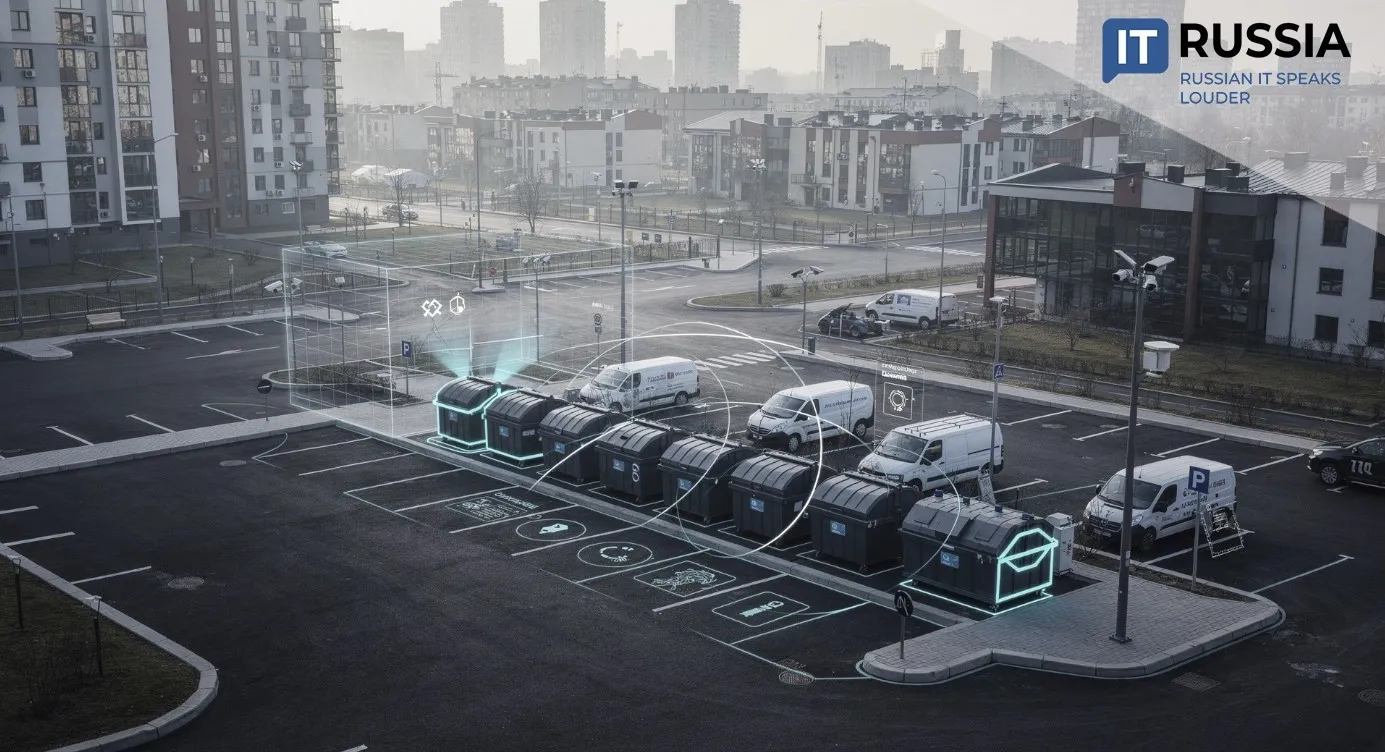
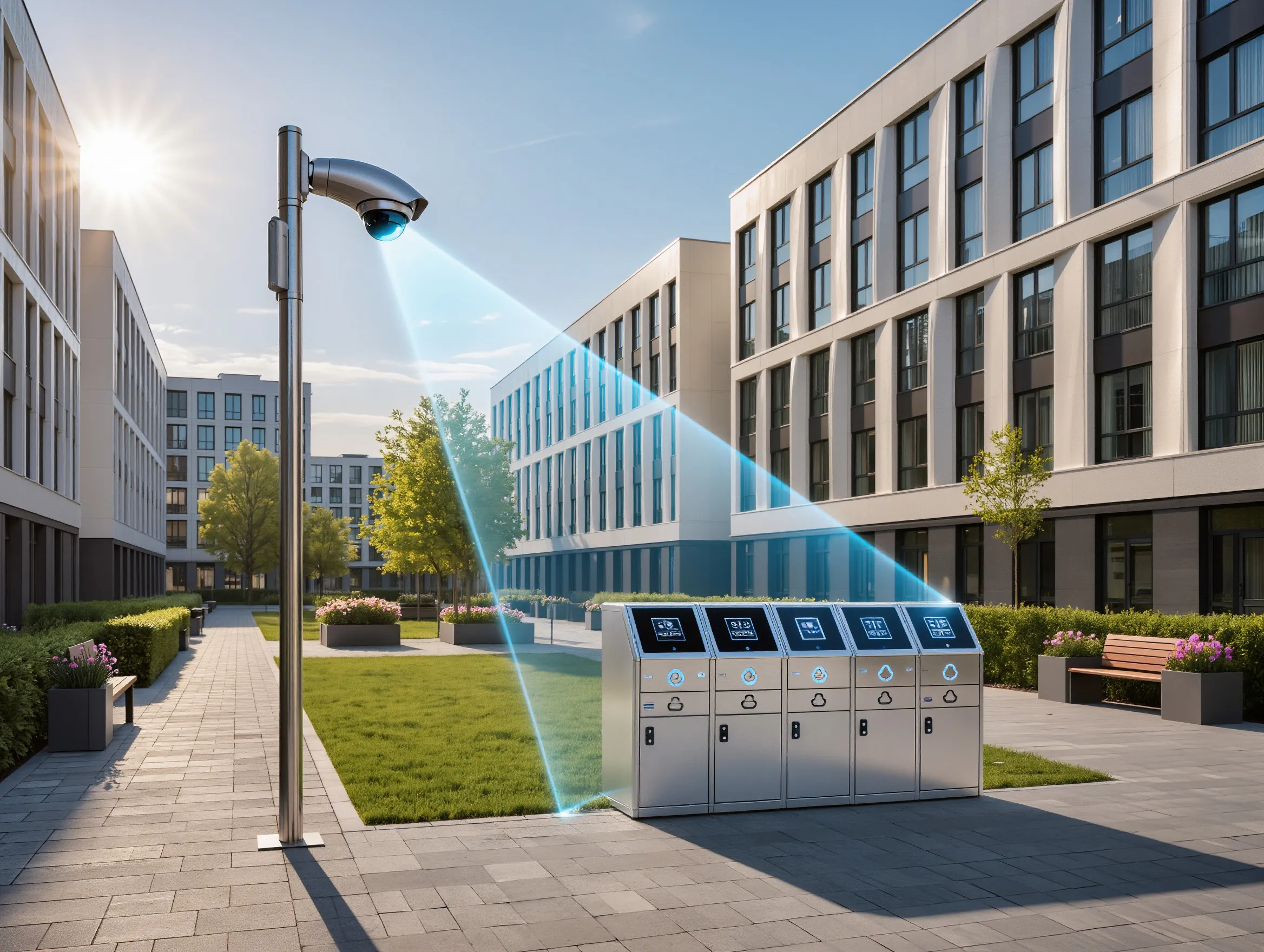
Under the project Chistaya territoriya (“Clean Territory”), launched in 2023, neural networks effectively perform the role of a field inspector. The AI has been trained to recognize 15 types of violations, ranging from overflowing trash bins and waste at container sites to graffiti and damaged curbs. The system manages the full enforcement loop. It analyzes camera feeds, assigns tasks to responsible municipal services and then verifies completion of the work.
Since the system’s launch, approximately 251,000 violations have been resolved. Resident complaints recorded under the Dvor (“Yard”) category decreased by 18%, providing a measurable service-quality indicator for municipal authorities.
For Russia’s IT sector, this project demonstrates large-scale operational deployment of AI. It is no longer a pilot program but full industrial use of computer vision serving an agglomeration of nearly 9 million residents. The model establishes a precedent for replication while already delivering budget savings.
Export Potential and Next-Stage Development
The success in the Moscow region has prompted other Russian regions to adopt similar systems, particularly within the framework of the national-wide programm Ekonomika dannykh (“Data Economy”). The monitoring model may also be exported to CIS countries, the Middle East and Latin America, where urban management optimization remains a priority.


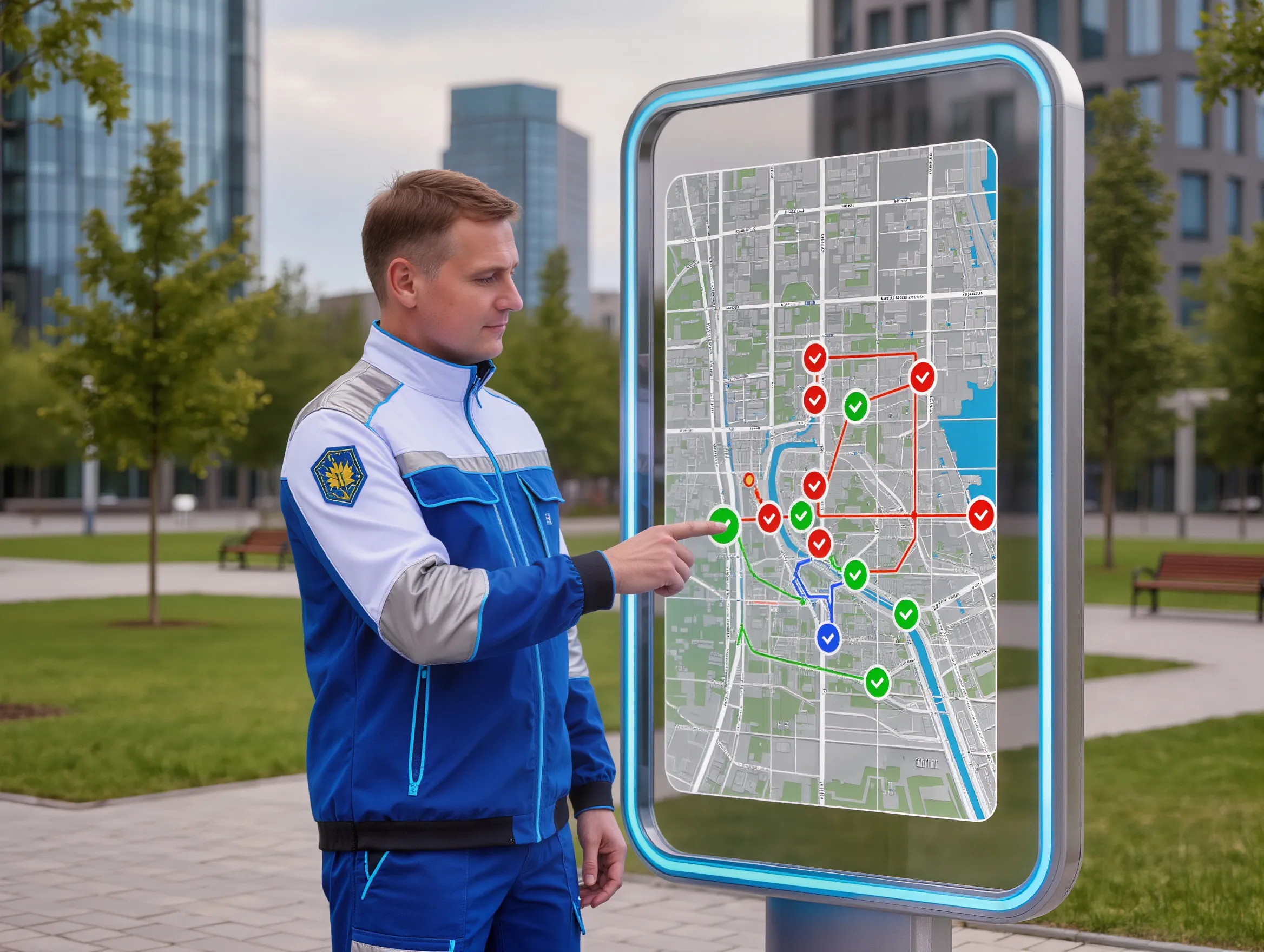
Future development extends beyond waste monitoring. In 2026, the regional government plans to launch 30 additional AI initiatives. Authorities are actively evaluating neural networks to optimize winter street and courtyard maintenance. Rather than simply detecting snow-covered areas, algorithms would generate optimal routes for municipal equipment.

From Pilot Pixels to Industrial Scale
In early 2023, neural networks in the Moscow region were still learning to distinguish graffiti from authorized murals and to detect asphalt defects. By 2025, the AI functionality has moved well beyond basic photo verification.
The system now issues fines for illegal parking near waste container sites and on lawns. It identifies license plates and records dwell time automatically. As a result, such violations have decreased by 40%. At the same time, previously fragmented digital services were integrated into a broader ecosystem. The robot Zhenya began handling zhkkh-related calls, while computer vision simultaneously verified whether waste had been removed in response to complaints.
Operational Inevitability
The proyekt Chistaya territoriya has shifted the conversation about AI in municipal utilities from speculation to measurable KPIs and budget outcomes. The reduction in complaints and multibillion-ruble savings represent tangible performance indicators rather than theoretical benefits.
Looking ahead, several trends are likely. First, AI integration will expand into adjacent sectors such as transportation and environmental management. Second, the market for scalable municipal AI software is expected to grow rapidly. A developer that built an algorithm for the Moscow region can adapt it for other Russian regions or neighboring Kazakhstan with minimal customization. Third, operational logic will evolve from reactive detection to predictive analytics. Instead of stating “this site is dirty,” systems will forecast that a location will reach capacity within hours and dispatch equipment proactively. Digital transformation in municipal services has moved beyond experimentation and is becoming a standards-driven approach to improving quality of life.