MIPT Scientists Develop Model of Fish-Inspired Underwater Drones
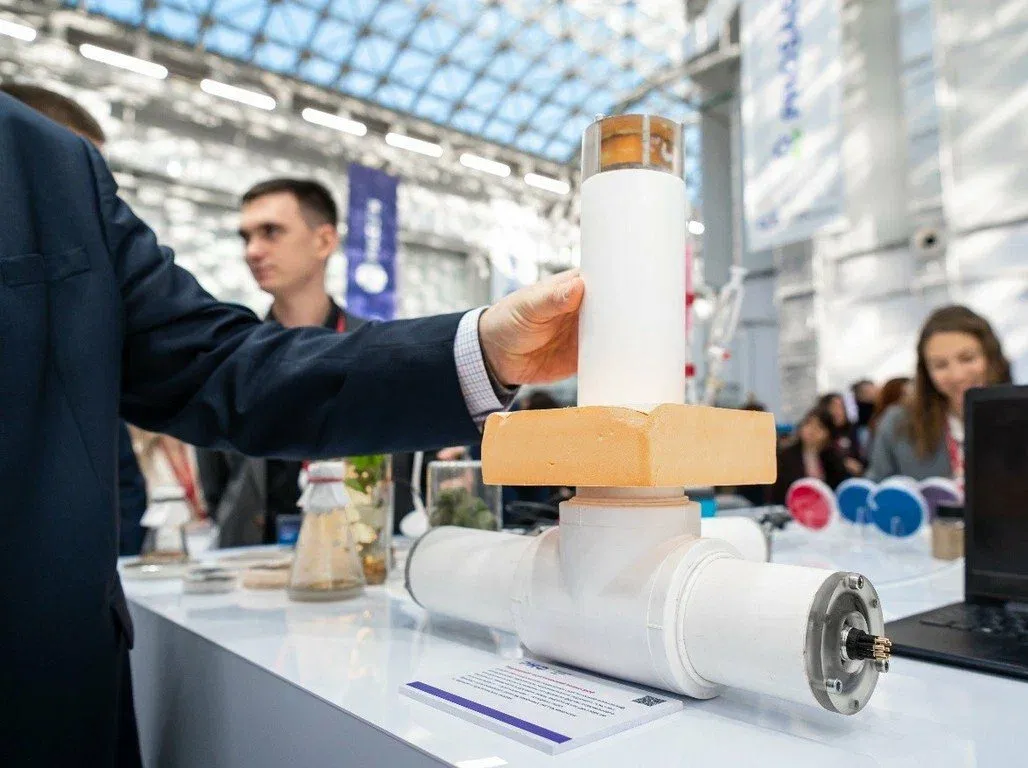
Scientists at the Moscow Institute of Physics and Technology have developed a mathematical model of underwater vehicles that use a mechanism analogous to a fish’s swim bladder. The calculations pave the way for biomimetic drones that consume minimal energy.

Depth control is a key challenge for underwater systems. Bony fish solve it with a swim bladder, which combines passive and active mechanisms for regulating buoyancy. Most drones instead use ballast systems that pump water, consume energy and generate noise. The new study found that passive stabilization could extend their autonomous operating time.
According to Viktor Kazantsev, head of MIPT’s Laboratory of Neurobiomorphic Technologies, fish-like robots are inherently unstable: they either sink or rise, but when a fish moves, it generates lift.
The study was published in the journal Scientific Reports.