Russian Scientists Simulate Ice Behavior Using Computer Models
The development is expected to help icebreakers move more safely along the Northern Sea Route.

Scientists at the Moscow Institute of Physics and Technology have learned how to model the behavior of Arctic ice using computer simulations, the university’s press service said.
The work is important for improving the safety of icebreaker navigation along the Northern Sea Route. Computer modeling is expected to reduce the cost of expensive real-world testing.
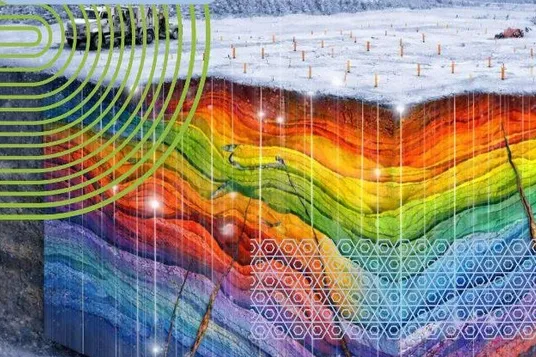
As the university noted, ice is a complex material that can behave differently depending on the load—fracturing like glass or stretching like plasticine. The new model captures these effects with high accuracy and predicts how an icebreaker will respond when encountering ice several meters thick.
New Icebreakers and Routes
The calculations used real ice parameters derived from experimental data, and fracture characteristics were compared against measured results. The development is expected to aid in the design of next-generation icebreakers and in planning Arctic shipping routes.