Digital Technologies Help Russia Build Banana Abundance
Smart greenhouses are replacing the tropics. In Sochi, Russia has launched its first industrial-scale project to grow tropical crops – bananas and papaya. Bananas, meanwhile, have long become a mass-market product in Russia.
Growing Everything at Home
It is worth noting that in 2025 bananas formally became a Russian agricultural product. Under a government decree dated July 2, 2025, bananas were added to the national list of agricultural products. This move placed bananas among goods that Russian agricultural producers are authorized to grow and process domestically.
An important detail is that this status does more than give bananas a Russian address. It allows producers, over time, to qualify for a wide range of state support measures. Given their popularity among consumers, bananas have become a primary focus for entrepreneurs.
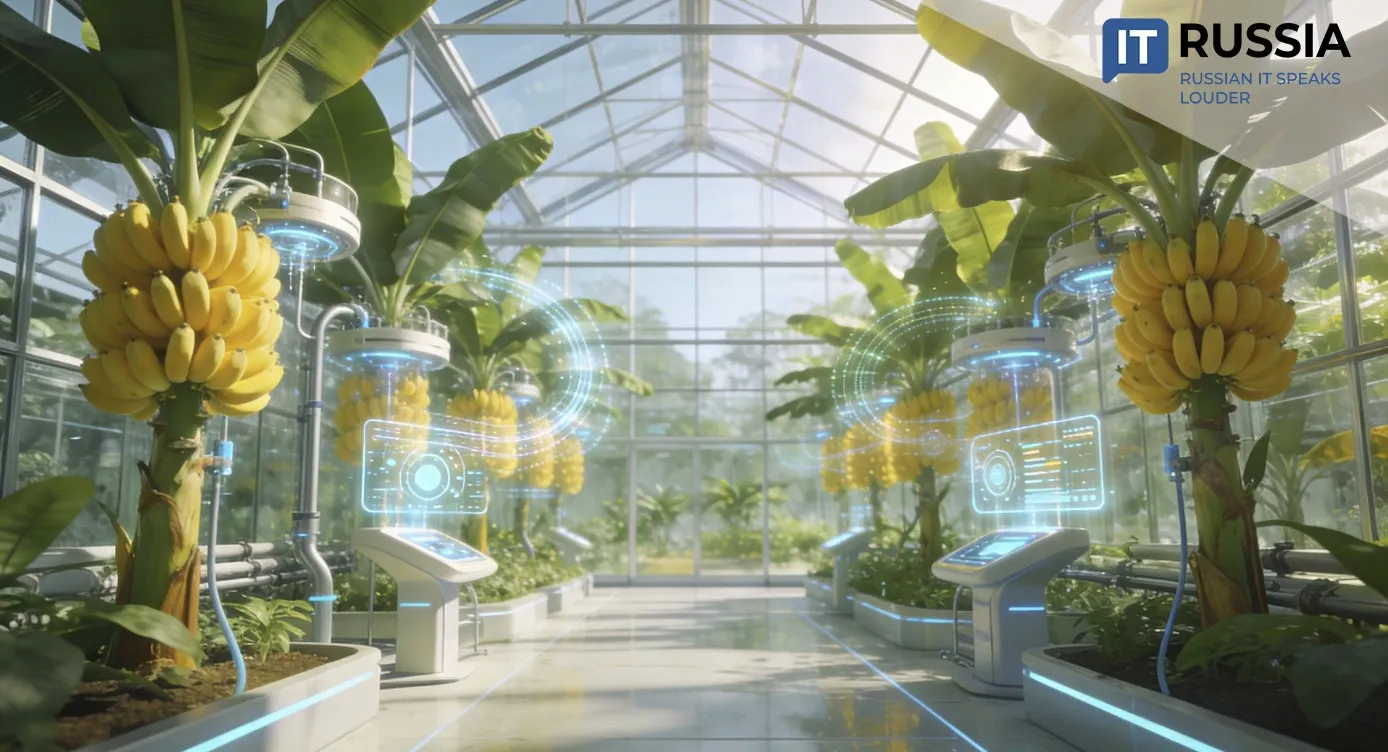
To make this viable, however, producers must demonstrate growth prospects – in terms of yields and project payback. Results depend on creating proper conditions for this perennial plant: temperatures no lower than +20°C and ideally a stable +30°C, abundant irrigation, and air humidity of around 60%. Otherwise, banana plants slow their growth or die. A reliable greenhouse is essential, and this is what the project’s initiator, the Sochi-based farm “100 Hectares,” has provided.
Growth Under AI Control
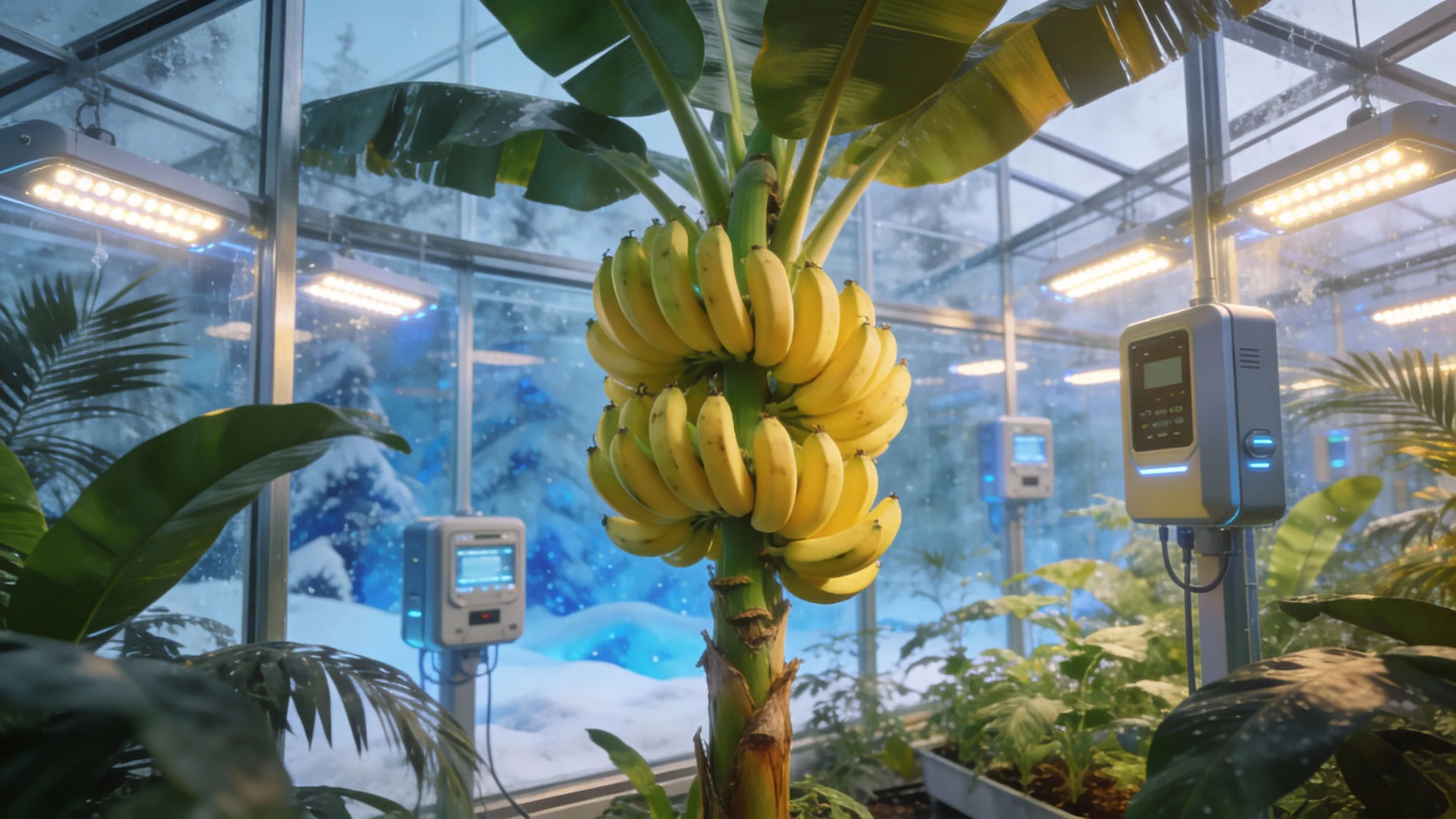
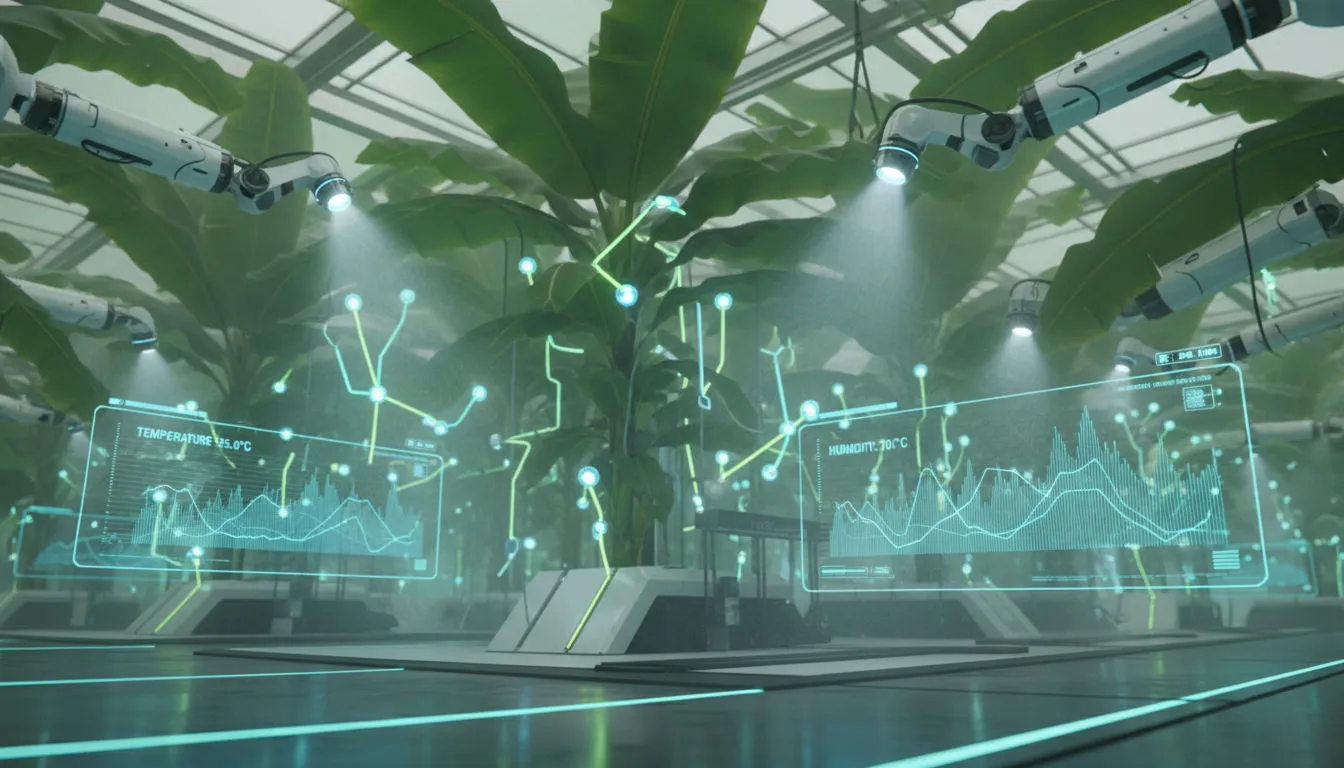
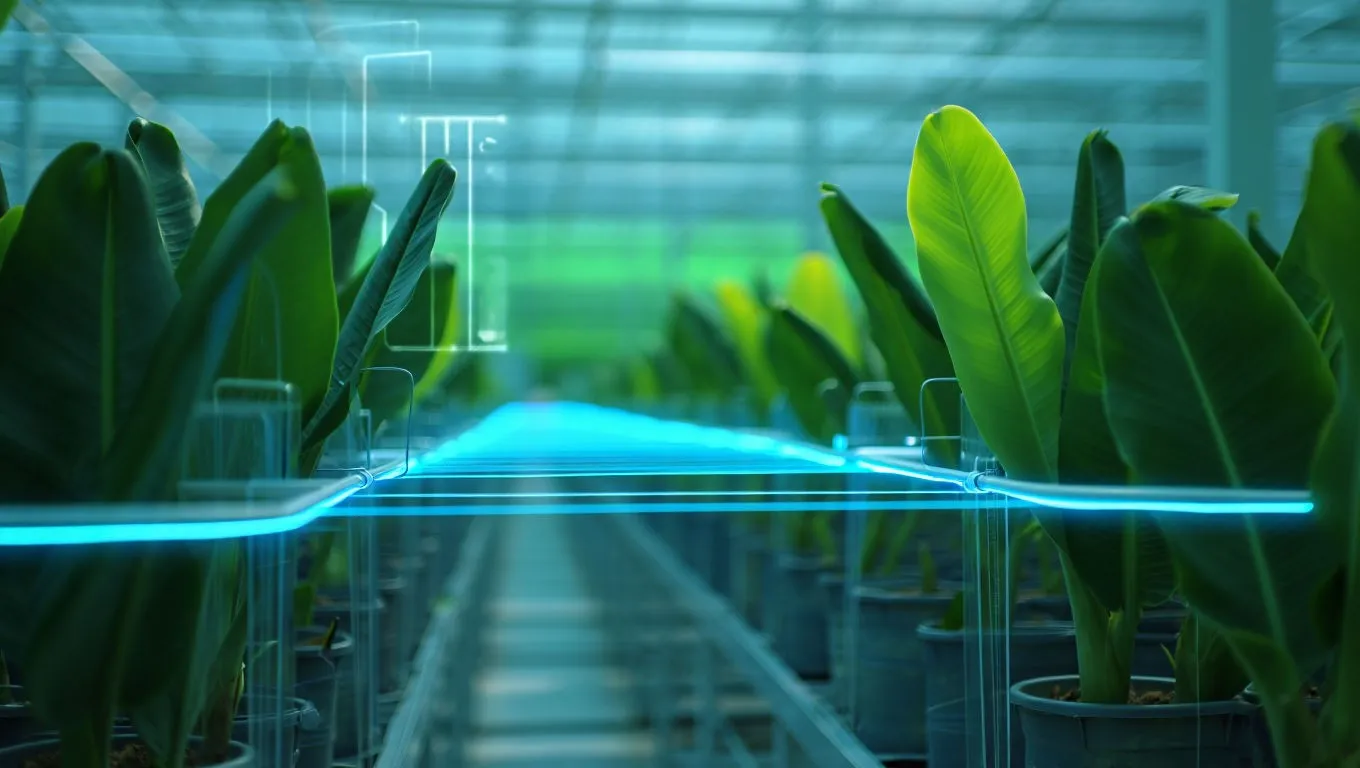
Specifically for the experiment, a 600-square-meter greenhouse was built in Sochi and equipped with an AI-based microclimate management system. The software for the project was developed by local engineers. Automated sensors continuously monitor humidity and temperature, enabling real-time adjustment of environmental conditions.


From an economic standpoint, growing bananas in Russia could prove commercially viable. The key lies in the quality and stability of growing conditions delivered by a smart domestic greenhouse. Cold snaps may occur even in the tropics, but not inside controlled environments. As a result, yields in greenhouses are significantly higher than in natural conditions.
“If there is an opportunity to grow niche subtropical products domestically, it should be used. We are currently conducting economic calculations for banana production. We studied the experience of Kazakhstan, where production costs are 50–60 rubles per kilogram (about $0.60–0.70), wholesale prices are 100–120 rubles (around $1.20–1.45), and retail prices reach 160 rubles (about $1.90),” said Andrey Platonov, CEO of the Autonomous Nonprofit Organization Academy for the Development of Subtropical Agriculture.
Developing Domestic Production
The new project is important for reducing Russia’s dependence on foreign supplies. According to Liliya Kugusheva, director of the Novorossiysk branch of the Federal Center for Safety and Quality Assessment of Agricultural Products, developing technologies for growing tropical crops could create a promising new segment of Russia’s agro-industrial sector.
Experts believe that domestically grown bananas will find strong market demand. Sochi alone has a population of about 560,000 and attracts 8–10 million tourists annually. Even more important, smart greenhouses make it possible to supply exotic fruits and berries to remote northern regions. Production costs there would be higher, but so are logistics costs. Some areas are supplied only seasonally, making smart greenhouses a practical solution.
Another advantage is that Russian bananas do not require chemical treatment to extend shelf life during transport. The fruit reaches consumers within two weeks of harvest.
This does not mean a complete rejection of imports, but it gives Russian farmers an opportunity to develop a new domestic product line. Near Nevinnomyssk, plans are in place to build banana greenhouses covering 15 hectares. The project involves investments of 1.4 billion rubles (approximately $17 million).
The project could later be scaled to other regions. As an export product, it may also be attractive to areas with similar climatic conditions.