Russia Turns the Truck Into a Robot
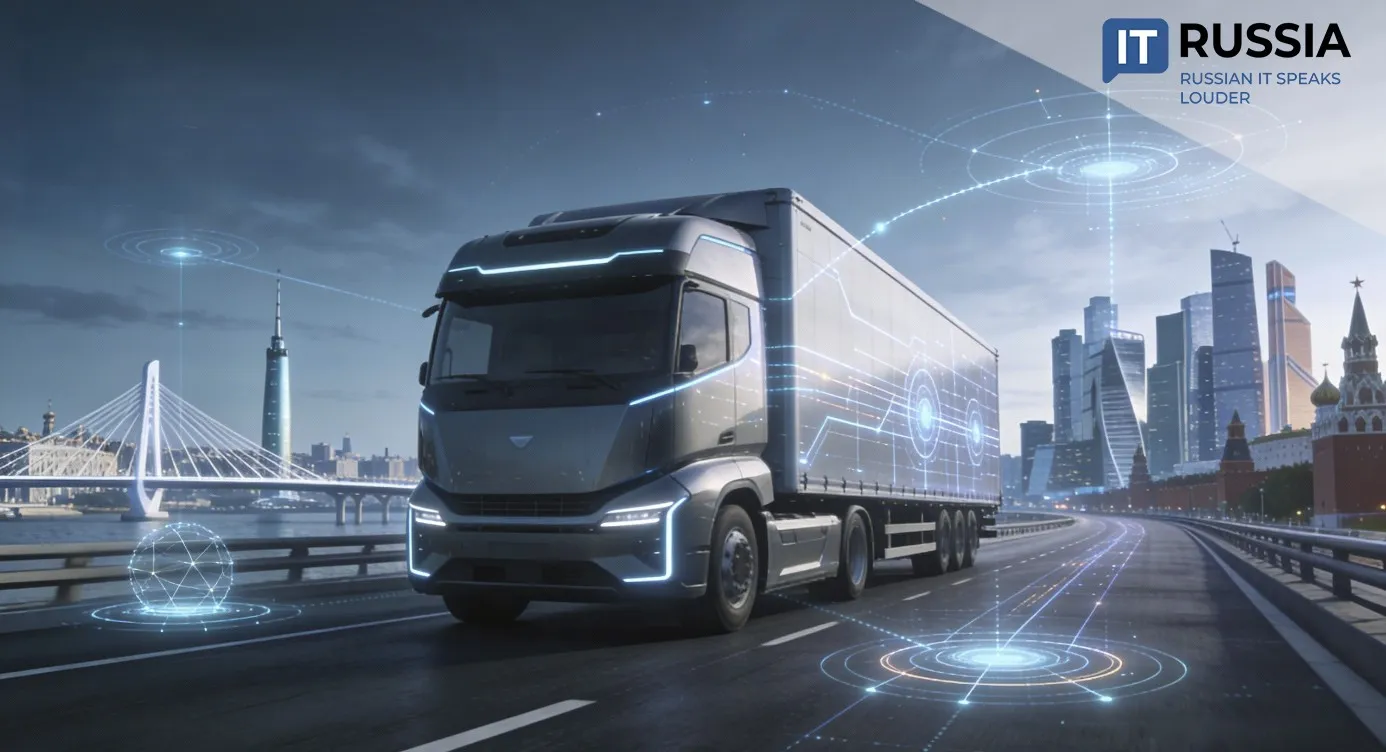
What was still dismissed as unrealistic just three years ago has now become routine on Russian highways. Autonomous trucks are making daily freight runs from St. Petersburg to Kazan, from Moscow to Yekaterinburg, and onward across the country.
When the Driver Becomes a Luxury
Russia has run into a paradox. It has some of the best highways in Europe and vast distances that depend on long-haul trucking, yet it faces an acute shortage of truck drivers. Few people are willing to spend up to 58 hours on the road between St. Petersburg and Kazan. Psychological burnout and the constant risks of highway driving have created a staffing crisis that is extremely difficult to resolve. At this point, automation has become not a luxury but a survival mechanism for the logistics sector.
Automation, however, requires technology. Western autonomous truck projects were designed for very different conditions, roads, and economic models. Russia therefore chose another path – developing its own solutions tailored specifically to the realities of Russian highways.
Events That Rewrote the Timeline
The history of autonomous freight trucking in Russia began in June 2023, when a KamAZ-54901 tractor with an isothermal trailer completed its first run on the M-11 Neva highway without a human driver at the wheel. In September 2024, a fully driverless truck, with no person in the cab at all, began operating on the same route.

By 2025, progress accelerated rapidly. A total of 67 autonomous trucks were operating simultaneously on the M-11. The leader by fleet size was Navio, which by spring 2025 had deployed 43 trucks on this highway alone. Together, they logged more than 2.6 million kilometers and transported over 60,000 tonnes of cargo. Over the entire period of operation of the autonomous corridor on the M-11, not a single accident was recorded.
In 2025, the total number of autonomous trucks operating in Russia reached 100. From March 2025, these vehicles also began running on the Central Ring Road A-113 around Moscow. Their launch on the M-12 Vostok and M-4 Don highways is scheduled for 2026.


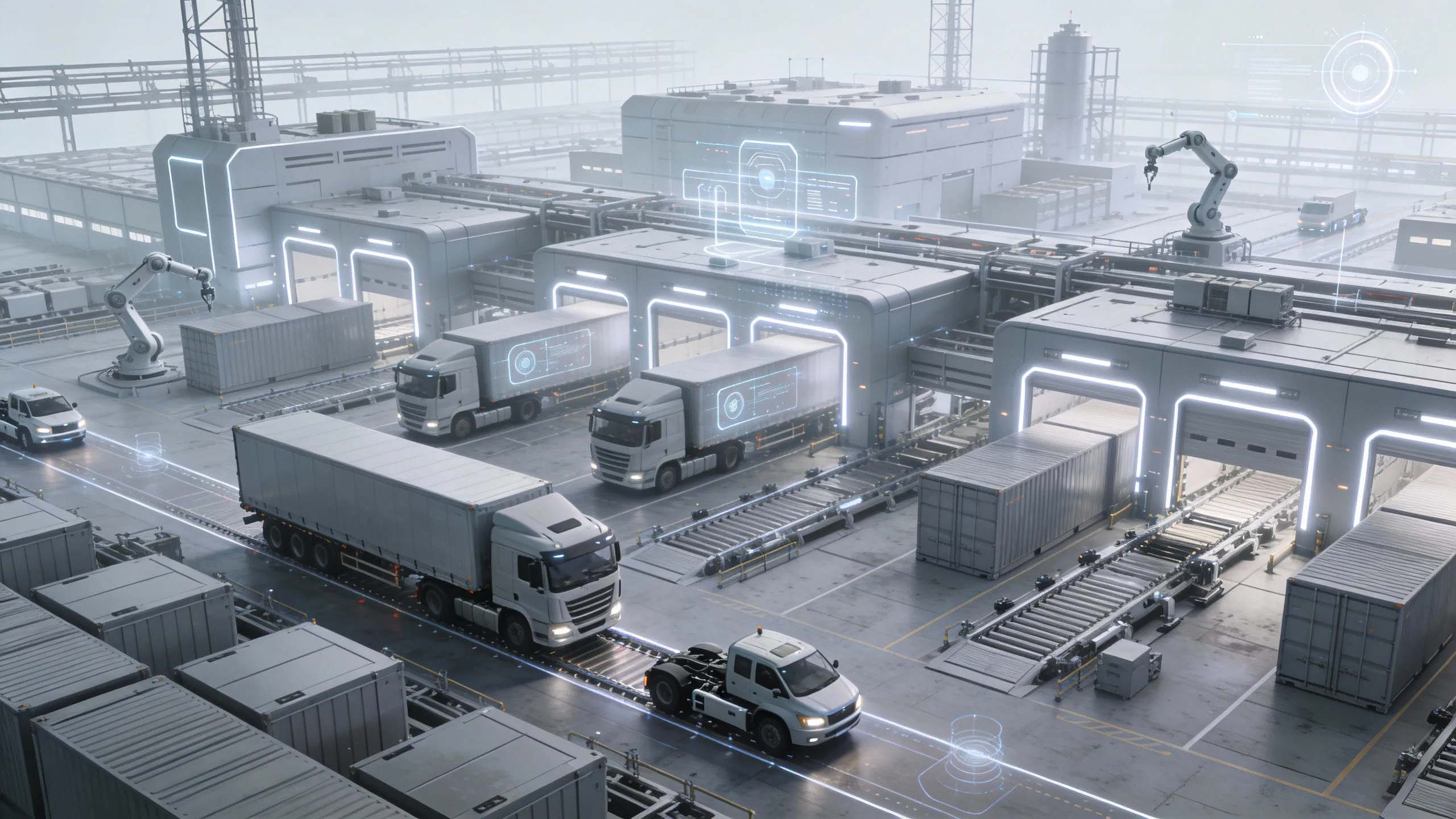
In parallel, another segment is developing – on-site logistics, where conditions are fundamentally different. At steel plants, warehouses, and large industrial complexes, autonomous trucks are taking over routine cargo movements on a 24/7 basis.
November 2025 brought a major breakthrough in localization under complex conditions. EvoCargo introduced a new autonomous localization mode for its fifth-generation autopilot. In environments where conventional lidar systems struggle – open fields, forested areas, tunnels, and repetitive structural layouts – the autonomous truck can now continue operating using only GNSS satellite data and auxiliary sensors. This technology has already been deployed on hundreds of vehicles working for Wildberries, SPAR, EVRAZ, Sportmaster, and dozens of other large clients.

What This Means for Regions and the Country
For Russia’s regions, the deployment of autonomous freight transport translates into a fundamental improvement in logistics performance.
Cargo moves faster, at lower cost, and with greater reliability. A single autonomous truck operating 24/7 can carry as much freight as two conventional trucks running 12-hour shifts. At the same time, the human factor is removed – fatigue and burnout that often lead to accidents are no longer part of the equation. Safety improves, costs decline, and overall efficiency increases.
Russia’s technological sovereignty is strengthened with every autonomous vehicle put into operation. Companies such as EvoCargo, Navio, KamAZ, and domestic control-system developers are building a Russian solution that competes with Western counterparts and often surpasses them thanks to adaptation to harsh climates and local road conditions. This means Russia is no longer dependent on imported technologies in this field and is capable of developing and exporting its own.
The export potential is substantial. Post-Soviet countries, Central Asia, the Middle East, and Africa all face similar challenges – long transport routes, driver shortages, and the need to reduce costs. Russian autonomous trucks, designed for demanding climates and offering a price advantage over Western alternatives, could become a competitive export product. Navio has already reported growing interest from international players in its technology.
A New Logistics Model
Over the next two to three years, autonomous transport is expected to become standard across Russia’s key federal highways. The M-11, M-12, M-4, the Central Ring Road, along with bridges and tunnels, are all set to see autonomous trucks operating at scale. A fleet of 100 vehicles in 2025 is projected to grow into hundreds and then thousands.
Technological development is moving toward full autonomy, with no human presence in the cab. Navio has already unveiled a prototype Level 5 autonomous tractor that has no driver controls at all – every action is managed under the supervision of generative artificial intelligence. The social impact will be complex. Yes, the number of truck drivers will decline, but new professions will emerge in parallel: engineers for autonomous system maintenance, remote monitoring operators, route programming specialists, and logistics analysts. The industry is not disappearing; it is transforming.
In essence, Russia is building the logistics system of the future – one in which machines do the work machines are best suited for, while people focus on tasks that only humans can perform.