Pigeon Post 2.0: Neiry Develops Bio-Drones
In an era when unmanned aerial vehicles are delivering pizza and conducting military reconnaissance, it can seem that progress in this field is limited to shrinking motors and boosting battery capacity. A Russian company called Neiry is challenging that assumption by rethinking what a drone can be.
A Symbol of Progress
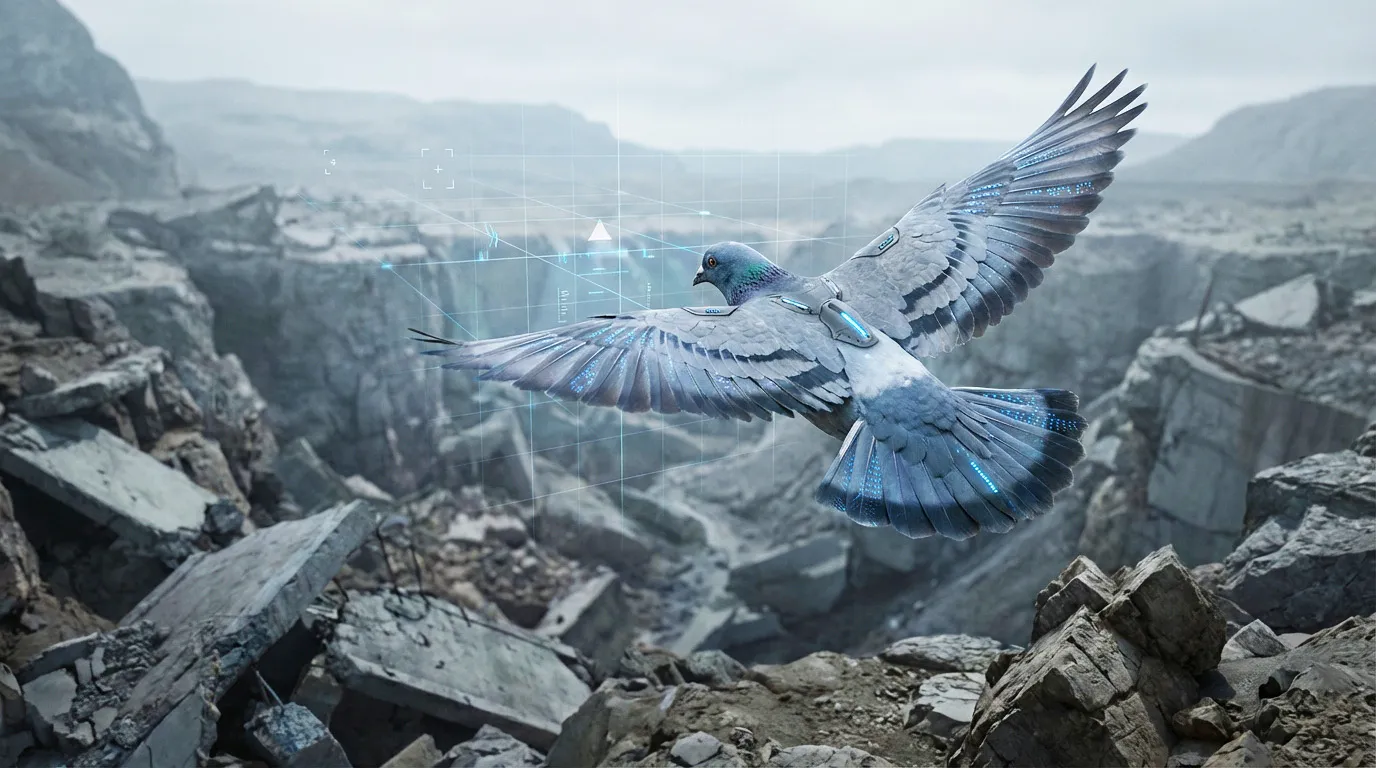
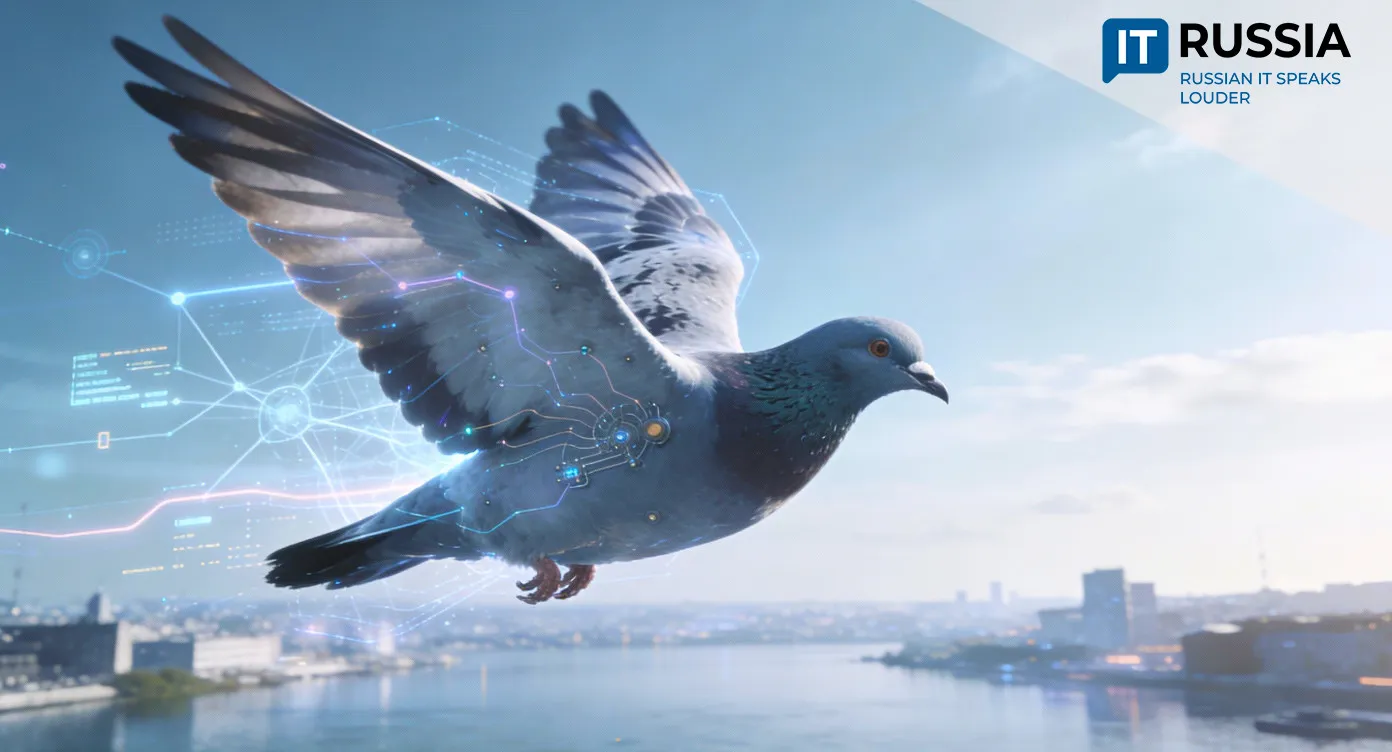
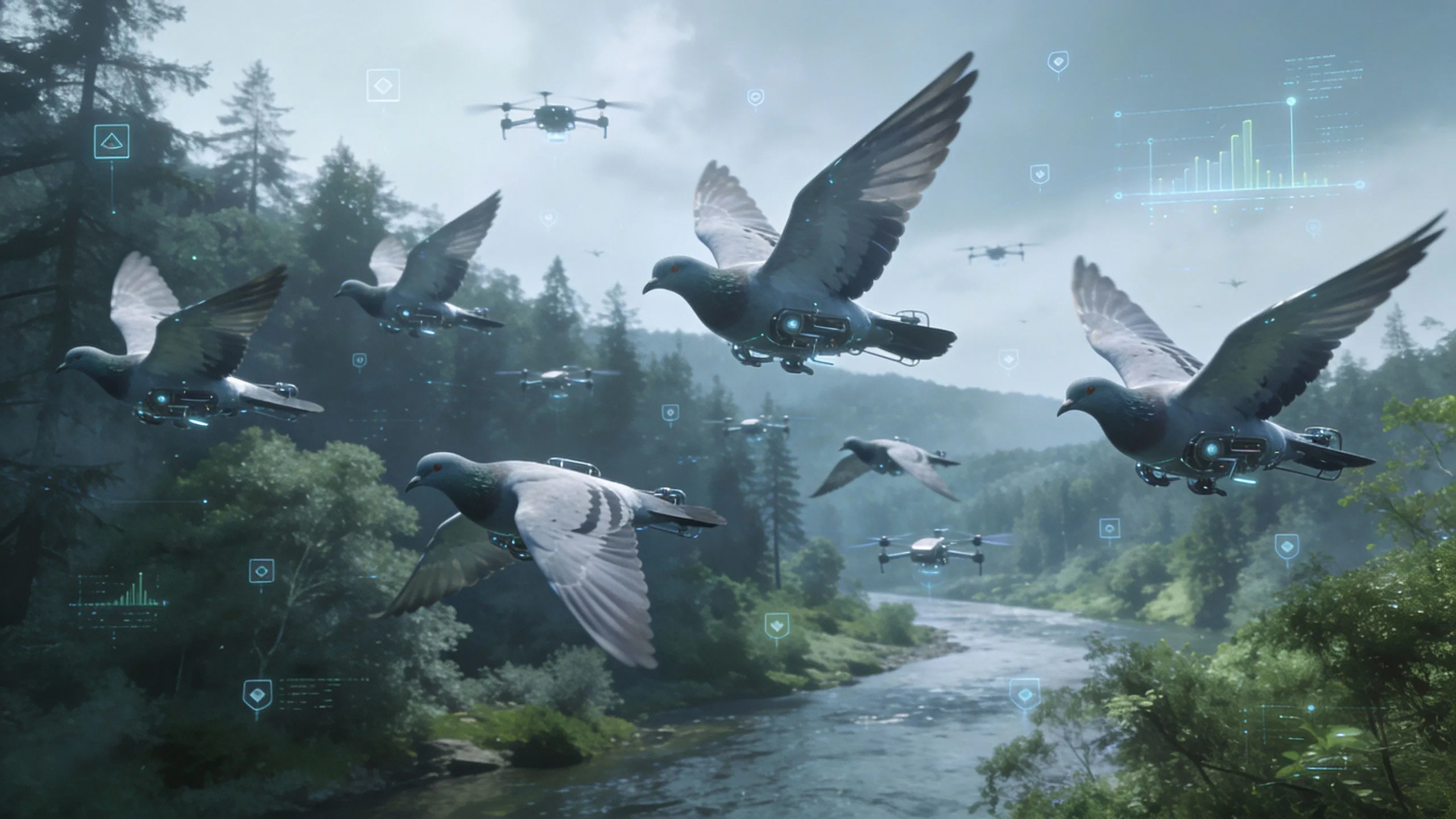
Neiry’s development stands out for its bold biomimetic simplicity. The company’s innovation, the PJN-1 bio-drone, is built on an unlikely platform: the common rock pigeon. This is not a gimmick but a serious scientific and engineering effort aimed at creating a symbiosis between a living nervous system and digital technology. Rather than simply strapping a camera to a bird, the project focuses on developing a neural interface that can guide a bird’s flight or receive data from it by tapping directly into its natural sensory systems.
In Neiry’s concept, the pigeon becomes an almost ideal platform. It combines exceptional navigational ability, the energy of its own metabolism, eliminating the need for batteries, remarkable maneuverability, and natural camouflage. A pigeon bio-drone can automatically avoid obstacles and cover record distances of up to 500 kilometers in a single day.
The idea of using pigeons as “living drones” has deep historical roots. For centuries, pigeon post was the fastest way to transmit information. During the twentieth century’s world wars, birds were used for aerial photography, and in the 1970s American psychologist B.F. Skinner even proposed a cybernetically guided “kamikaze pigeon” project. Those efforts, however, were either crude or ethically troubling. Neiry’s concept differs fundamentally in its emphasis on minimal intervention and genuine symbiosis.
Finding Real-World Use Cases
Biohybrid systems like these are no longer science fiction. The U.S. defense research agency DARPA has experimented with controlling beetle flight using neural implants. Researchers in Singapore have created “cyborg cockroaches” designed to search for survivors under rubble. Chinese scientists have successfully tested pigeon flight control in laboratory conditions. Neiry’s contribution is the next step, moving beyond isolated experiments toward a coherent concept designed for practical deployment.


Neiry’s technology could open new possibilities for environmental monitoring. Flocks of bio-drones living in urban environments could continuously collect data on air pollution, radiation levels, or temperature without disrupting local ecosystems. The same systems could prove valuable in search-and-rescue operations. Pigeons’ innate ability to navigate and cover long distances could help locate people lost in forests or mountainous areas, especially where GPS signals are unreliable or unavailable.
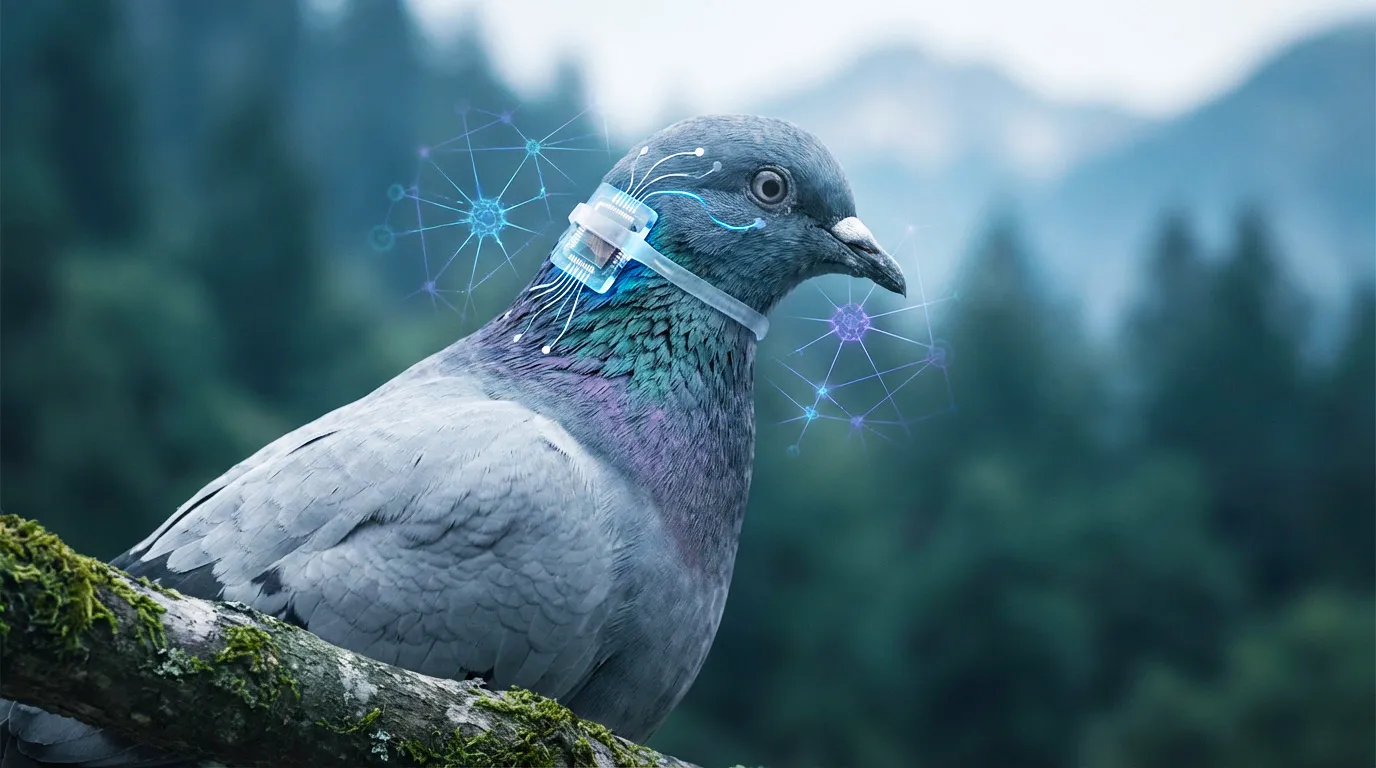
Bio-drones also offer a compelling solution for exploring hard-to-reach environments. Natural bird flight is well suited for studying jungle canopies, karst caves, or disaster zones where conventional drones are prone to collisions and failure.
Working With Nature, Not Against It
At its core, Neiry’s concept invites a rethinking of the boundary between nature and technology. It poses a challenge to engineers and scientists alike: can innovation be achieved not in opposition to nature but in partnership with it, leveraging millions of years of evolutionary optimization?
Whether the idea ultimately takes flight as high as its feathered carriers remains to be seen. Even so, it already signals the opening of a striking new chapter in the history of robotics and human interaction with the living world. It is not hard to imagine that, in a decade, the word “drone” might evoke not a buzzing plastic quadcopter but the elegant silhouette of a bird carrying a tiny chip from the next technological era.