No More Vaulting Horse: How PE Is Finally Losing Its Reputation as Students’ Least Favorite Class
Physical activity is essential for today’s children, many of whom spend hours glued to screens. Yet for decades, physical education has ranked among students’ least popular school subjects. That is now starting to change. New technologies are reshaping PE, making it more engaging, relevant, and, for many students, genuinely enjoyable.
When the Virtual Becomes Physical
A “digital-native” generation is growing up on video games, apps, and immersive multimedia. Against that backdrop, traditional PE – laps around a track or vaults over a gymnastic vaulting horse – often feels outdated and poorly matched to students’ interests. As motivation drops, so does overall physical fitness.
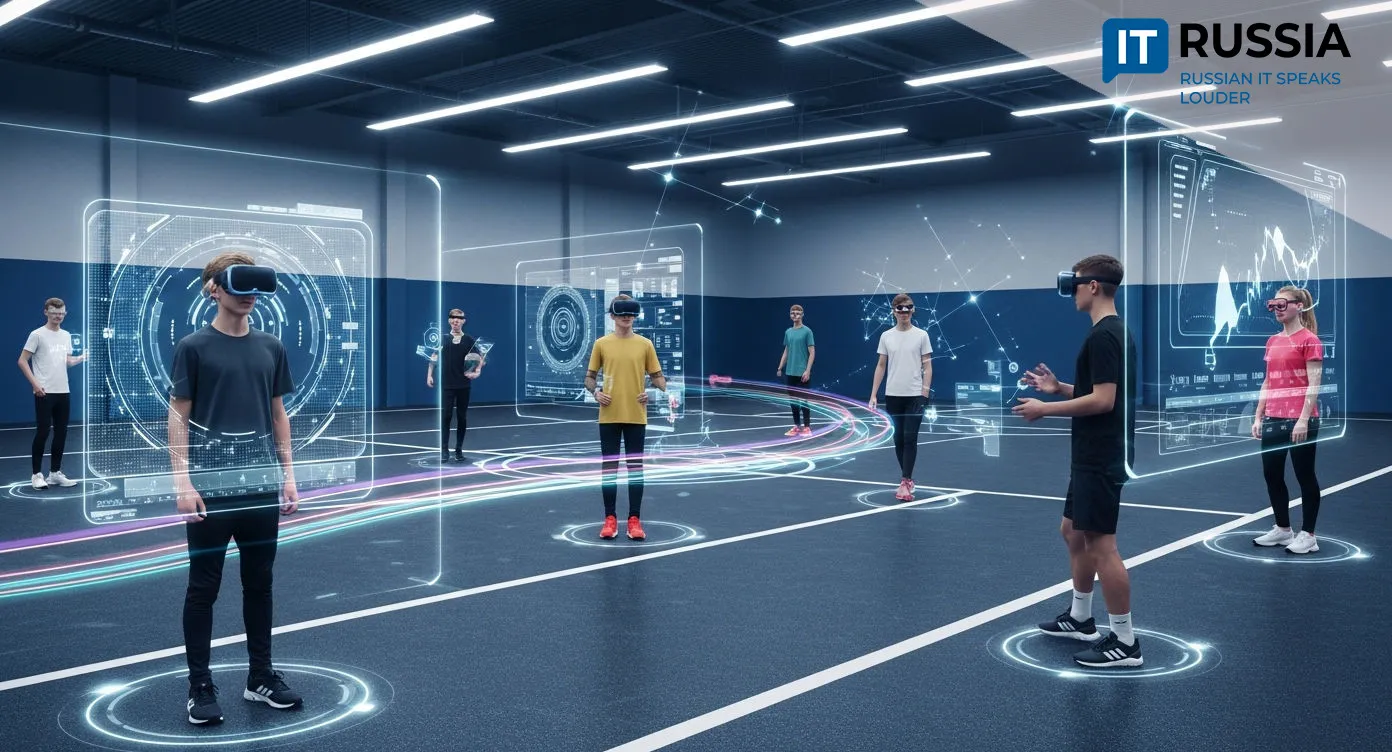
That dynamic is now shifting. School PE is beginning to transform into a game-based experience that blends elements of esports, virtual reality, and augmented reality. In these classes, students can train, compete, and have fun at the same time, without the sense that physical activity is a chore.
A key element of this shift is the introduction of phygital sports – hybrid formats that combine digital gameplay with real-world movement. Students may compete first in a virtual environment and then apply the same skills on a physical sports field. Educators say this format boosts engagement with sports overall and, in practice, often leads to better grades in PE.
Why the Model Works
Phygital sports turn PE into a game by connecting familiar digital environments with physical motion. That combination is precisely what resonates with younger generations. Importantly, this approach is no longer experimental – it is being implemented at the national level.
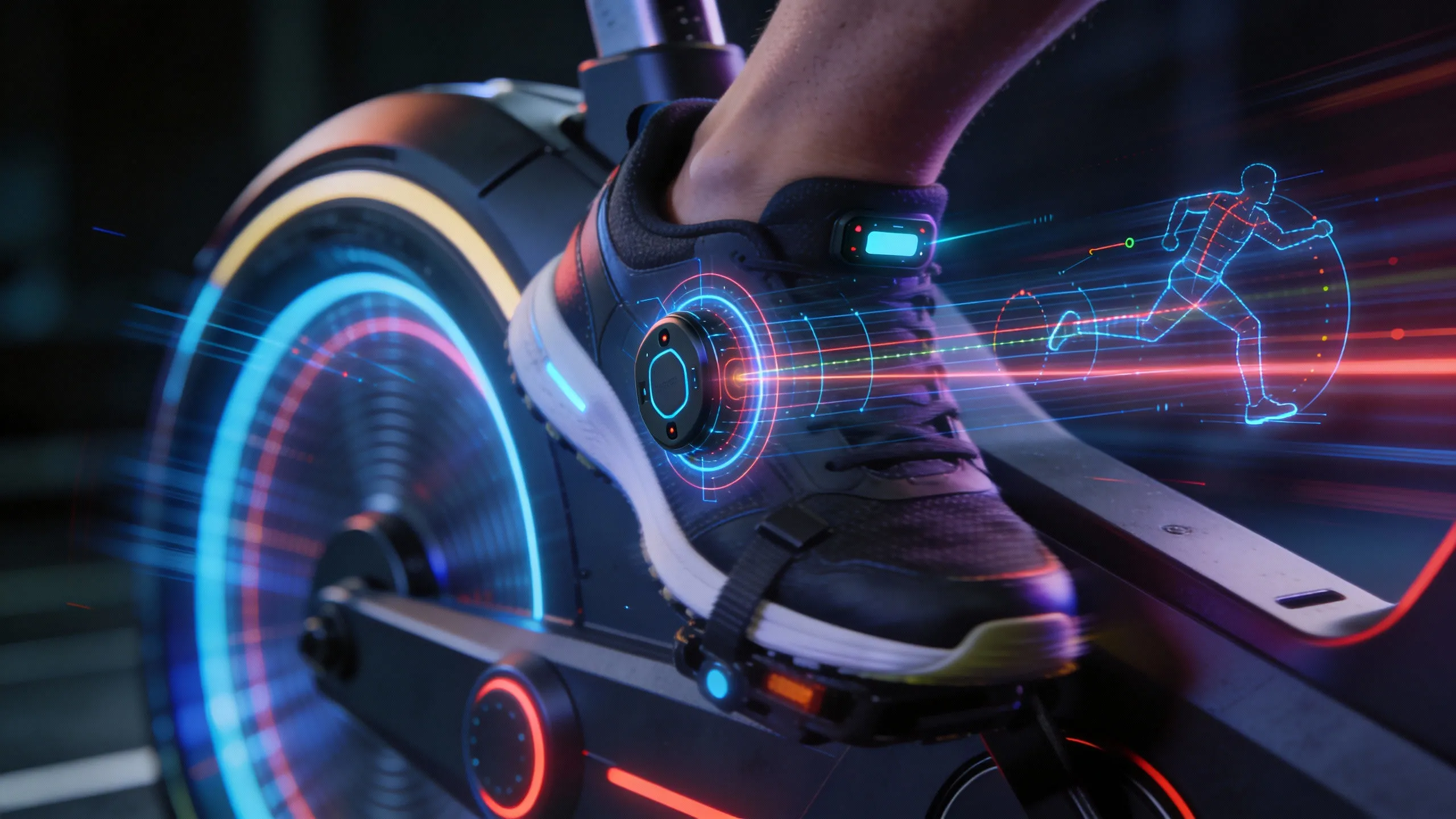
Russia was the first country to officially recognize esports as a sport, and the state has invested heavily in its development and in training competitive players. That recognition has influenced education policy as well.
College students now train in VR environments, honing reaction speed and teamwork. University campuses are building phygital arenas where students might finish an esports match and then head straight onto a real football pitch to continue the competition offline.
Homegrown Technologies Power the Shift
New training equipment is being developed domestically to improve endurance and reaction speed. In youth training programs, robotic tennis partners are already in use. Wrestlers can prepare for competitions by training against virtual opponents created by Russian developers. One example is the “Cyberkarate” project – a VR-based training system that functions as a virtual striking pad. It is designed to develop technical and tactical skills and can be used both in-person and remotely, making it suitable for professional athletes and distance training alike.


Professional clubs and sports schools across Russia are also using AR and sensor-based motion analysis to personalize training programs. Athletes can track progress in detail, while coaches adjust workloads with greater precision. Beyond elite sport, phygital formats are opening new forms of leisure for young people, combining online interaction with real-world activity.
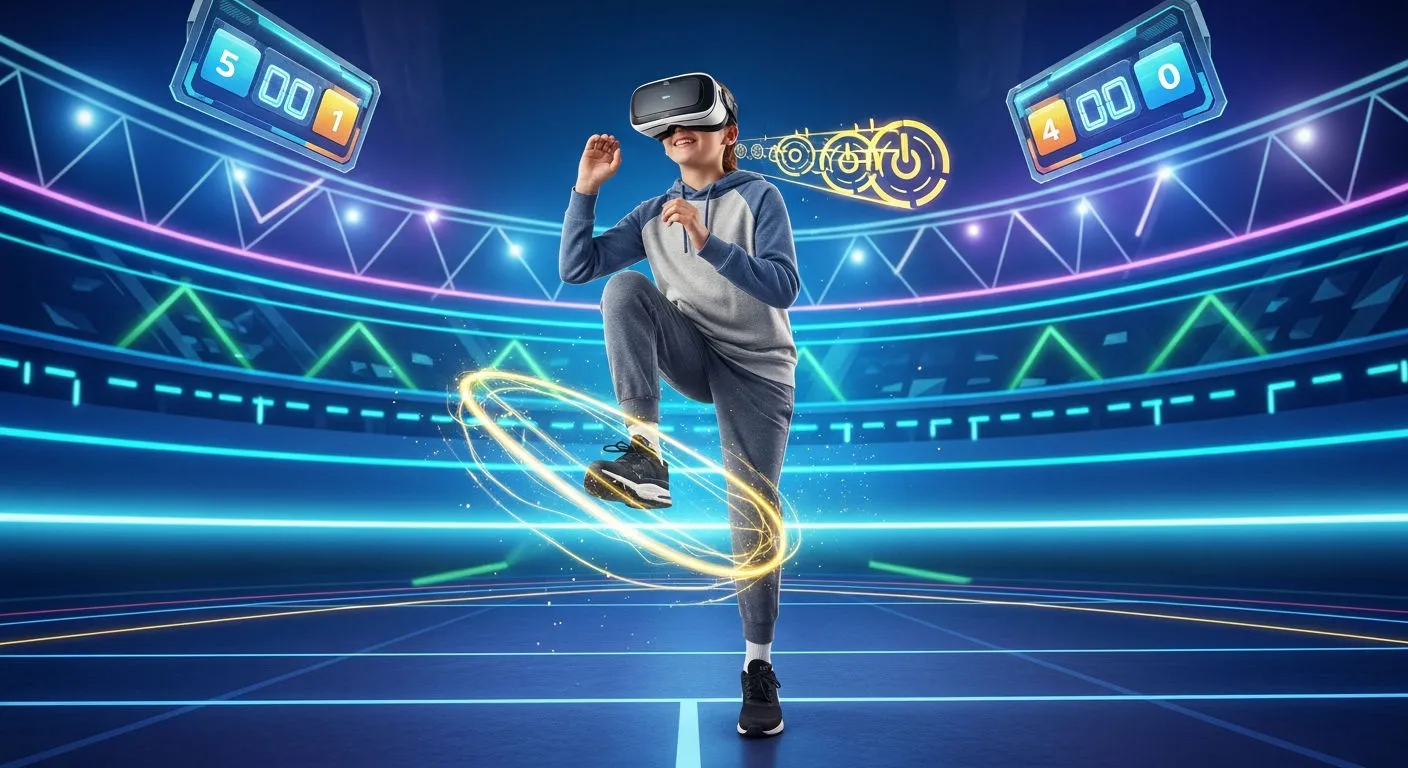
Phygital Sports as a Driver of the IT Sector
Phygital sports are not just reshaping PE classes – they are also creating new opportunities in the IT services market. A growing cluster of Russian companies is emerging to support the technological side of this ecosystem.
One example is TEGRATEK, which designs and builds phygital sports spaces, including esports halls, VR simulators, digital sports complexes for schools, and full-scale phygital arenas. The company is not alone. Other developers are offering integrated solutions and high-tech products for digital sports infrastructure.
For Russian IT firms, this opens up new niches with relatively low competition. Robotic training systems are likely to become a gold standard in athlete development, pushing schools and clubs to invest in advanced equipment. Over time, Russian solutions could compete internationally, as phygital sports and esports receive sustained attention and support in Russia. That makes the sector attractive for investment, with both demand and supply expected to grow.

Russian technologies in this space also have strong export potential. Success in sports remains a priority for many developed countries investing in national image and performance, and phygital systems align directly with that goal.