From Baikonur to the Moon: Russia’s New Space Strategy
Roscosmos has identified the most promising region of the Moon for establishing a future Russian lunar base.
Luna-27
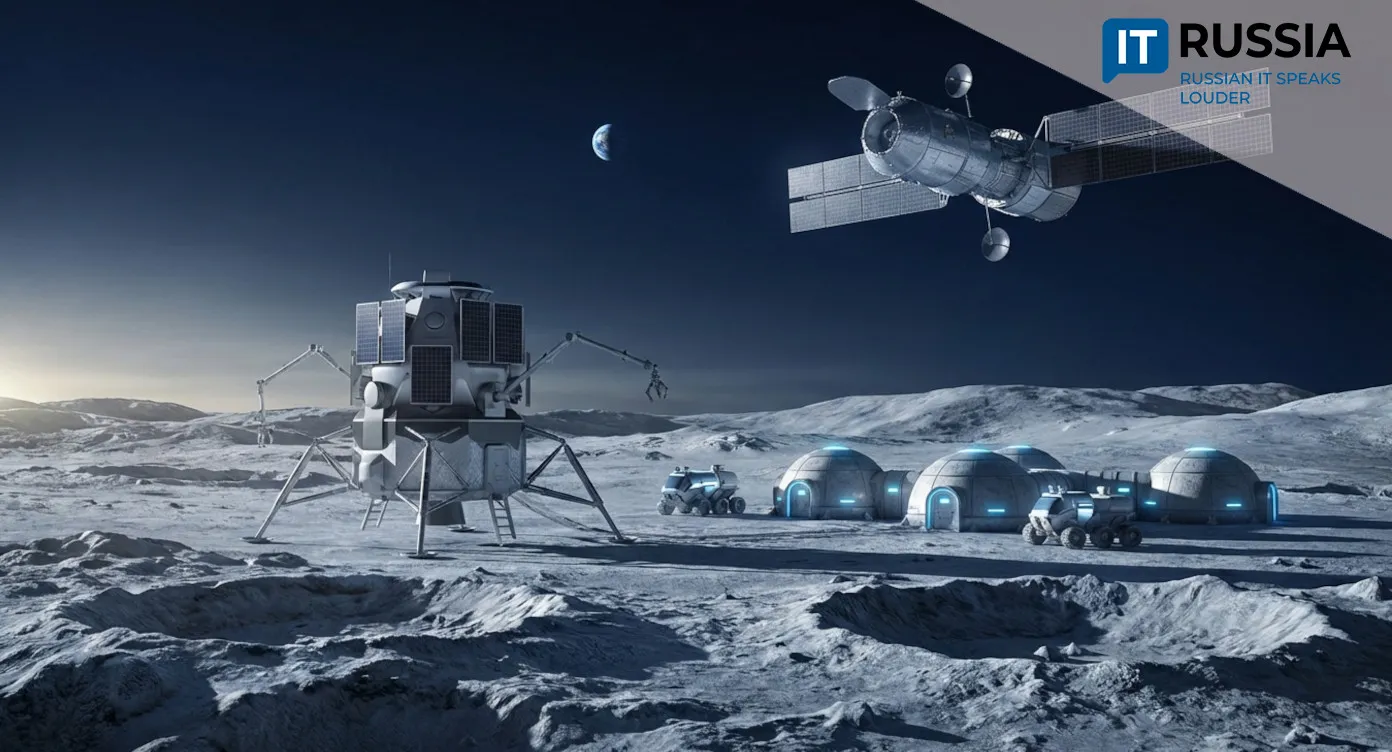
One of the most significant scientific breakthroughs of 2025 was Roscosmos’ announcement that it plans to launch two Luna-27 landers. The decision, unveiled by Roscosmos Director General Dmitry Bakanov at a meeting of BRICS space agency heads, marks Russia’s shift from studying the Moon to actively developing it. The choice of destinations is especially telling: one lander is to head for the lunar South Pole, a region already visited by US and Chinese missions, while the second will pioneer exploration near the North Pole, where no lander has yet touched down.
As academician Lev Zeleny emphasizes, this is not merely a scientific step but also a move to secure geopolitical and technological priority. Despite having smaller confirmed reserves of water ice than the South Pole, the lunar North Pole offers strategic advantages, including more stable lighting conditions and more favorable approach trajectories. A successful mission would give Russia a strong claim in any future division of lunar territories and resources.
Space as a Platform for Cooperation: BRICS and New Horizons
Beyond national objectives, Russia is betting on collective space exploration. The proposal to establish a BRICS Space Council is not just a diplomatic gesture but a pragmatic initiative aimed at shaping a multipolar space architecture. Russia, China, India, and other BRICS countries represent more than half of the world’s population. Their combined efforts in building navigation infrastructure, sharing Earth observation data, and developing joint scientific programs could significantly reshape the global space balance.
Even today, Russian satellites are helping India respond to earthquake aftermaths, while data from Russia’s Earth observation constellation are used to monitor environmental disasters, including the fuel oil spill along the Black Sea coast in December 2024. In the near future, BRICS is expected to launch a unified platform for sharing Earth remote sensing data. This will be another step toward technological independence from Western systems.


Educational Outer Space: From Universat to an Orbital Station
Russia is also placing strong emphasis on engaging young people in space projects. The Universat program, under which 22 student-built satellites have already been launched into orbit, has become a tool for leapfrogging technological dependence. Launching small satellites as secondary payloads allows young engineers to test their solutions in real-world conditions using public funding rather than personal resources.
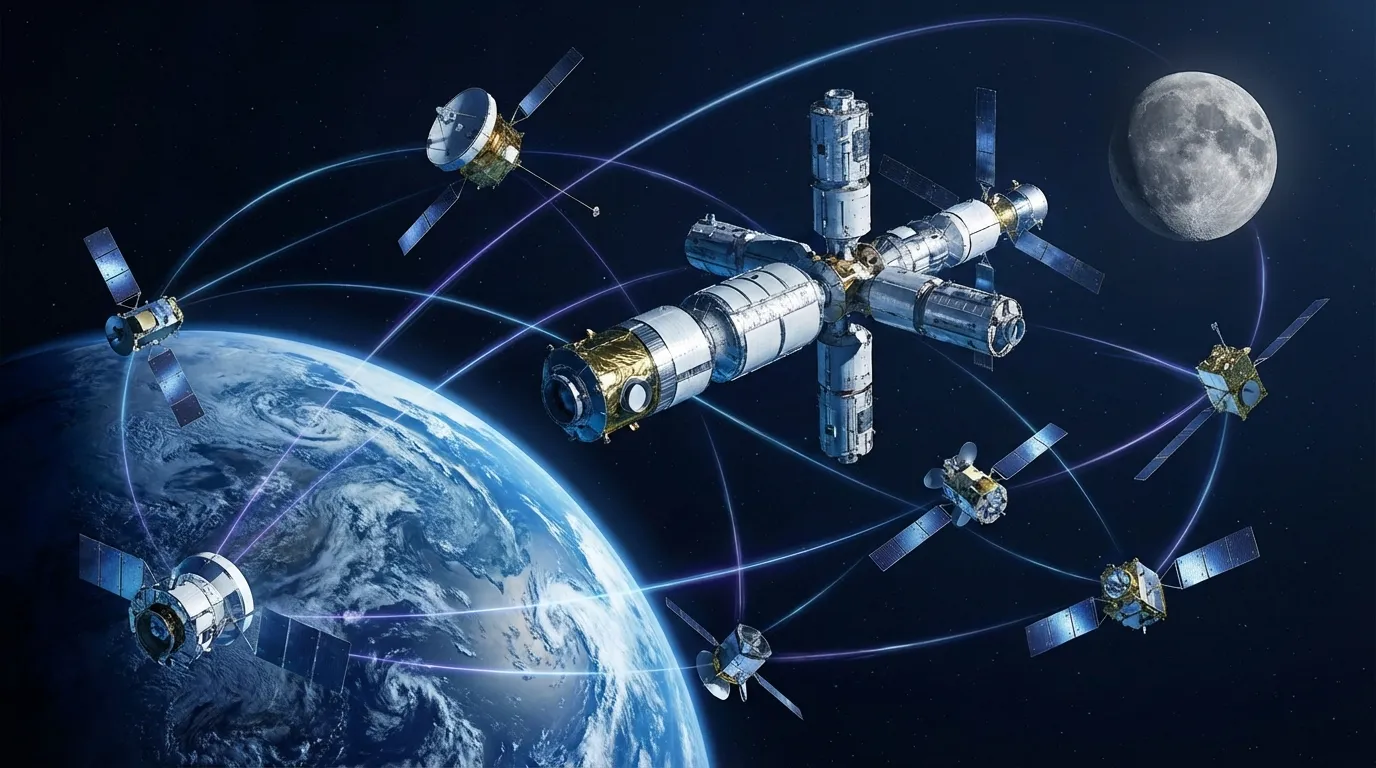
Expanding this initiative to BRICS countries is not only an educational move but also a geopolitical one. As expert Nicholas Oxman notes, this is a “space response” in a technology race where the time from development to orbit can be decisive. At the same time, Russia is inviting partners to participate in the construction of the Russian Orbital Station (ROS), whose first module is nearly complete. Joint experiments aboard ROS could become the foundation for future international megaprojects, including a crewed mission to Mars.
A Strategy for the Century: Beyond Individual Missions
As Moscow Space Club President Sergey Zhukov rightly points out, Russia needs not only individual successful missions but also a long-term space doctrine. The projects announced – from lunar bases powered by nuclear energy systems to a global navigation infrastructure – are only fragments of a much larger picture. At a time when space is no longer the monopoly of Western alliances, Russia is steadily shaping a new paradigm that is open, technology-driven, and collective.
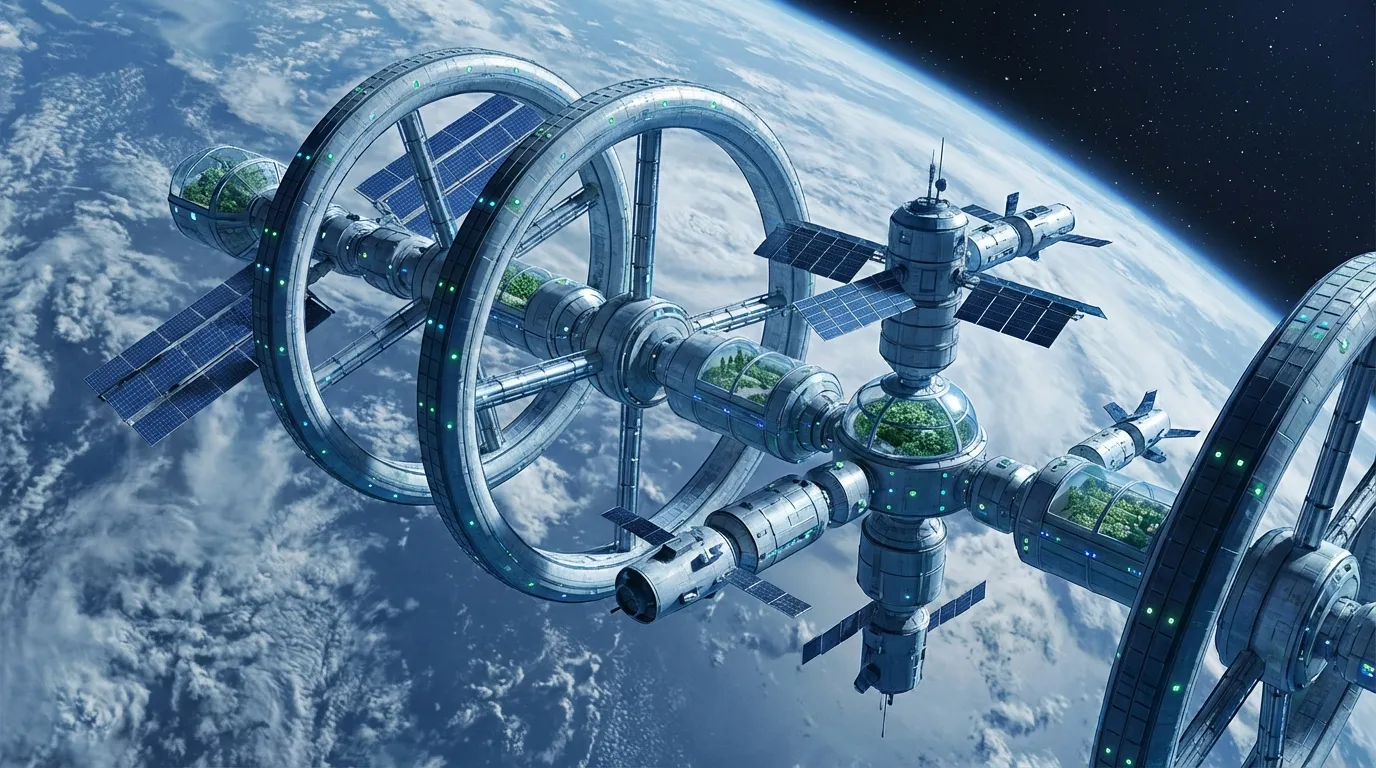
In 2025, what we witnessed was not simply Russia’s return to the Moon but the emergence of a new space strategy that integrates science, education, international cooperation, and national interests.