Head in the Clouds: How VR Technologies Are Transforming Russian Schools
From ancient Rome to the Kulikovo battlefield, immersive technologies are turning knowledge into experience. They increase engagement, make complex subjects easier to grasp, and bring learning closer to real life.
From Desks to Gagarin’s Orbit
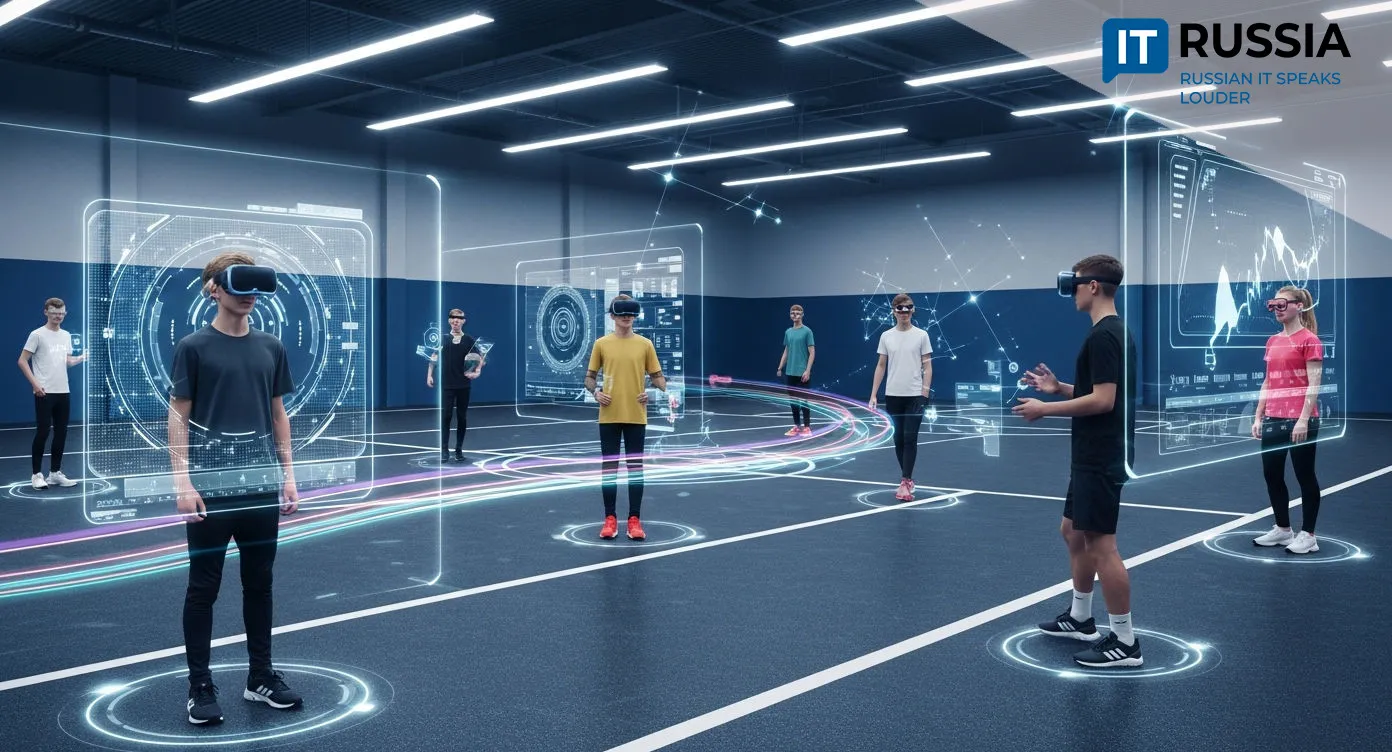
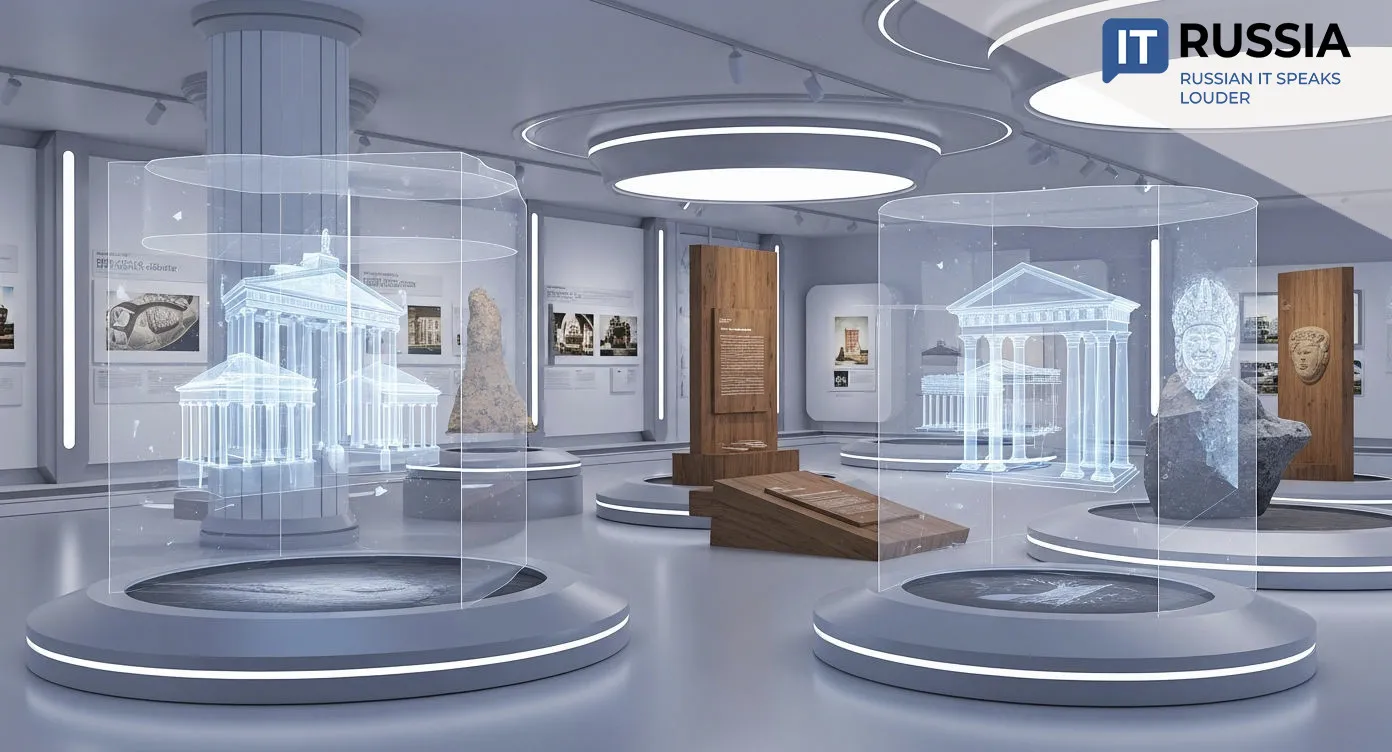
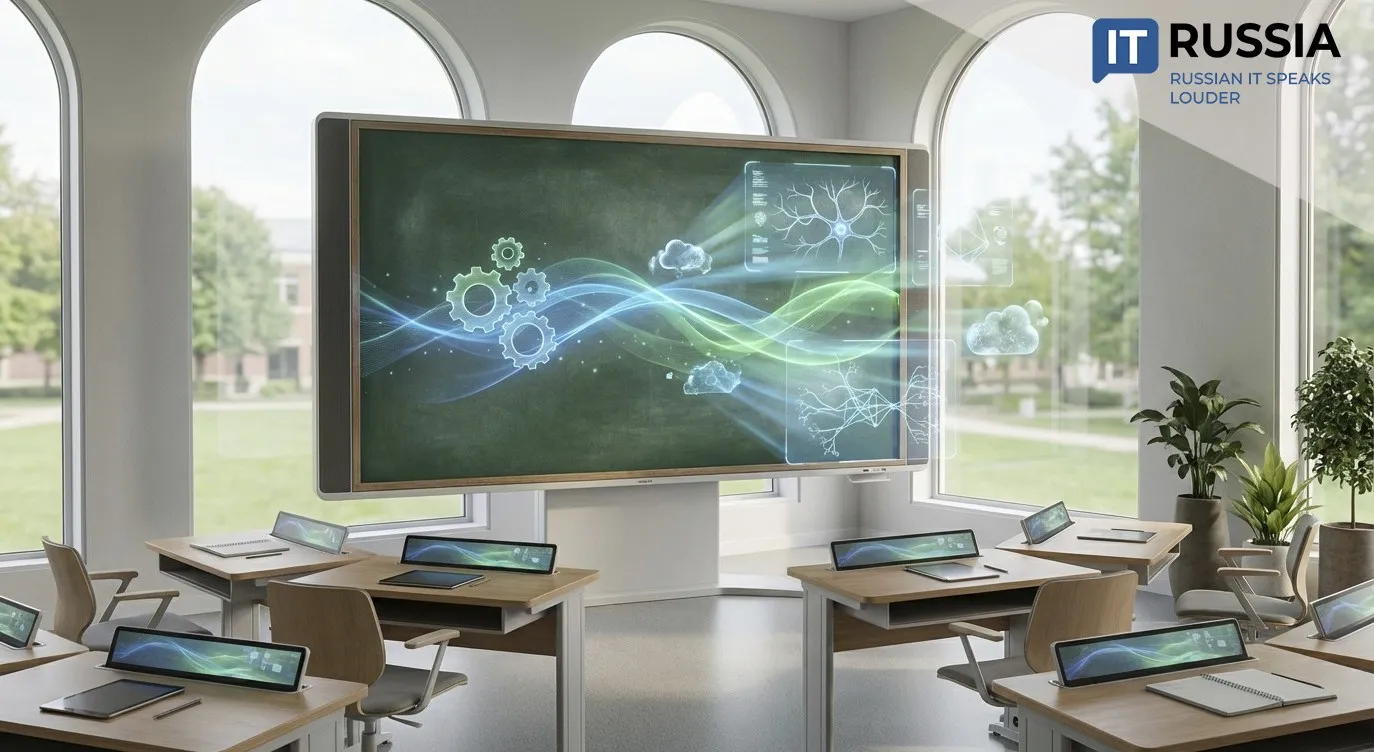
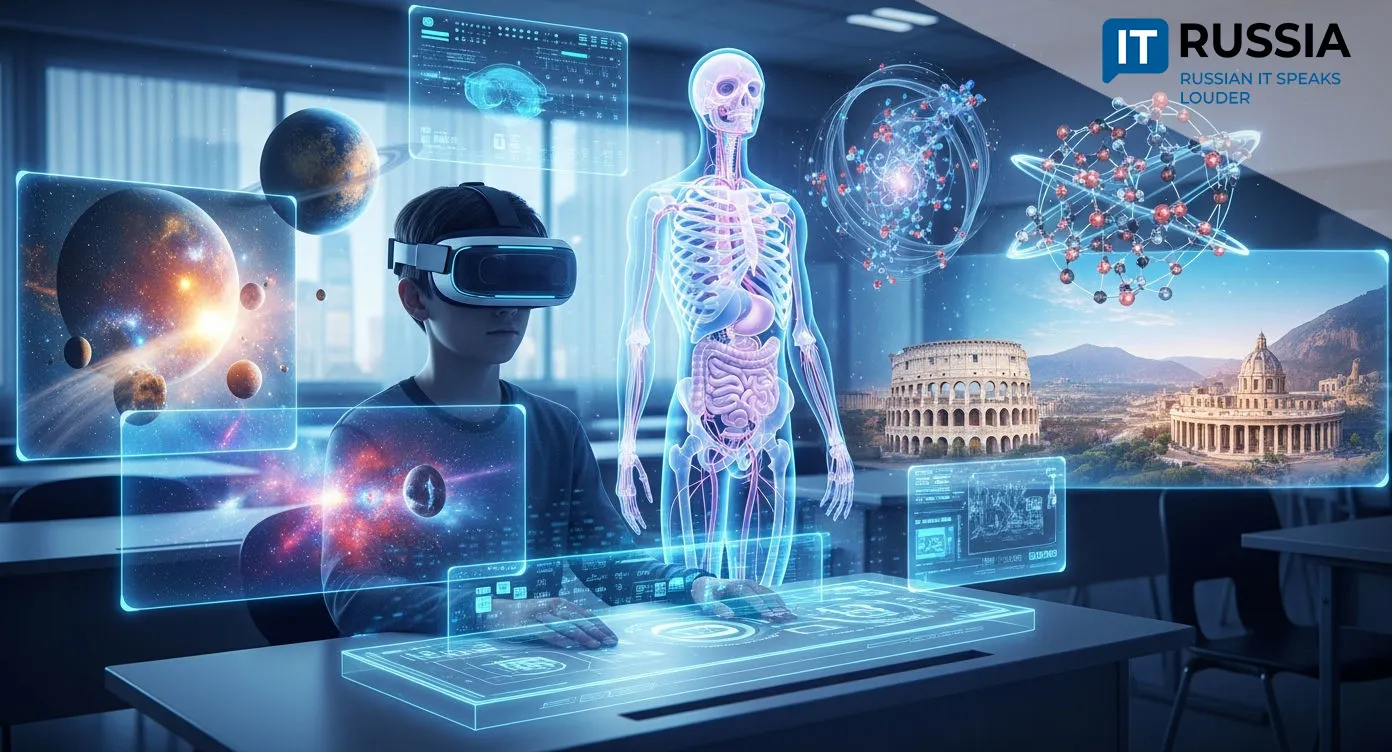
Today, students no longer have to rely solely on reading about cell structure or studying maps of ancient Rome. By putting on a VR headset or launching an AR app, they can step into a three-dimensional, interactive learning environment. Books are not going anywhere, and their value remains unquestioned. At the same time, virtual reality allows students to “live through” the material rather than memorize it. These tools are particularly effective for complex or abstract subjects such as biology, chemistry, geography, history, and engineering.
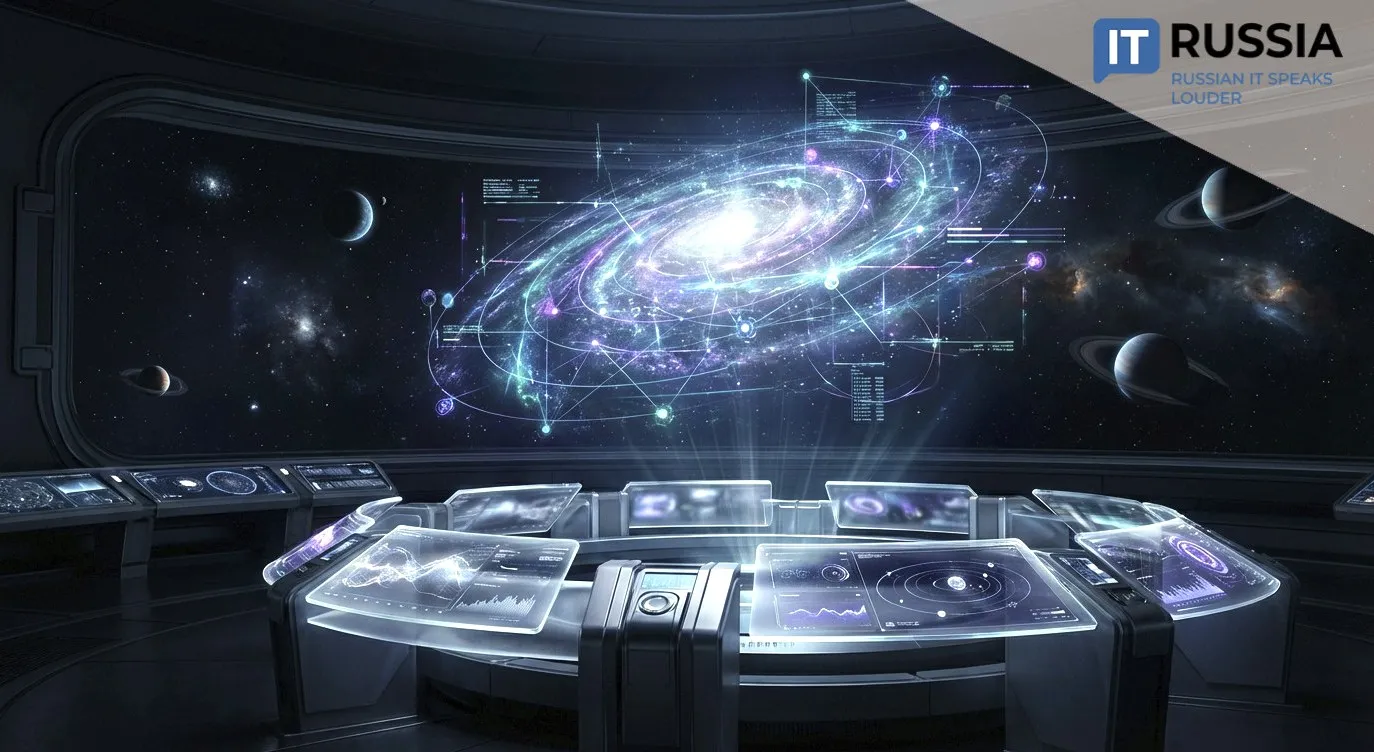
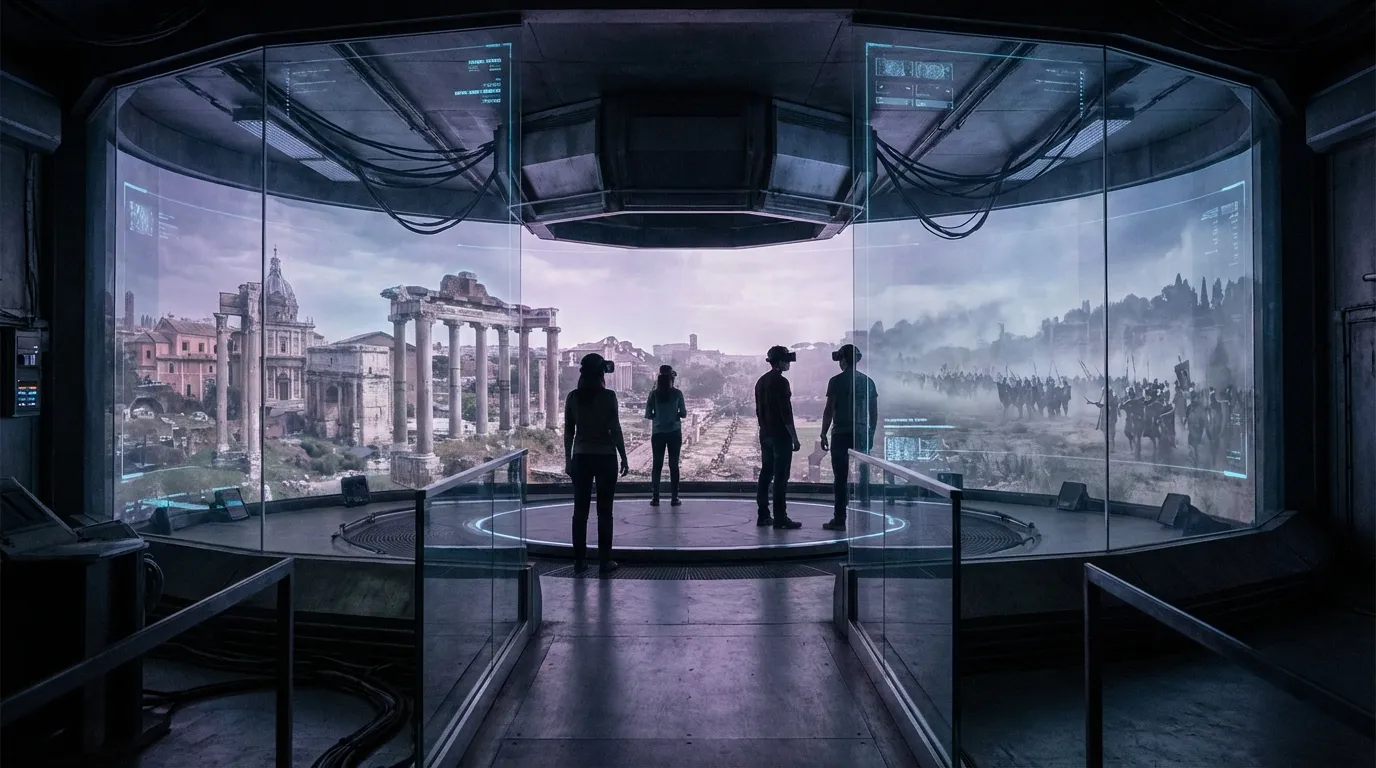
For schools and universities, this means learning can become more visual, interactive, and engaging. Students begin to perceive knowledge not as abstract theory but as tangible objects and processes. With VR, they can visit a geographical location, conduct a physics experiment, or find themselves in the middle of a historic battle. They can even experience space flight, following the path of Yuri Gagarin, the world’s first cosmonaut, without leaving the classroom.
A Journey Through the Circulatory System
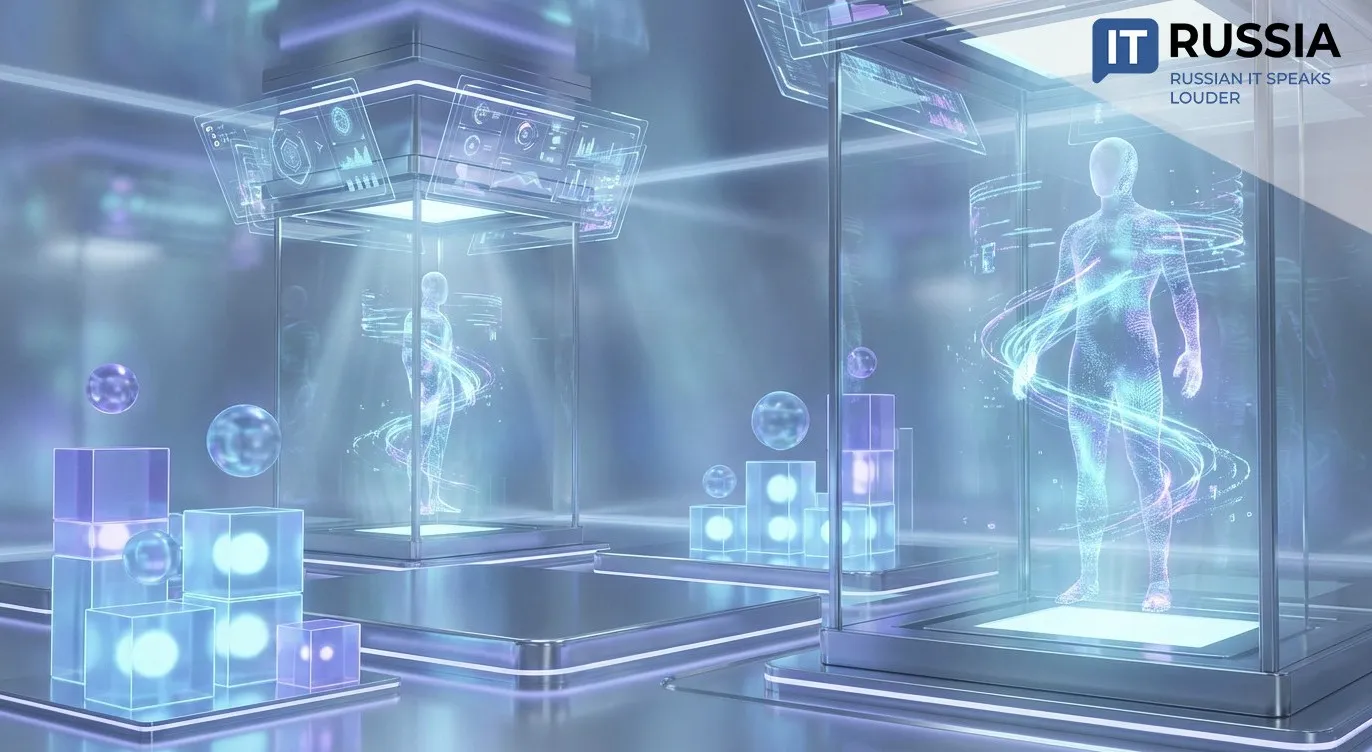
“VR technology is ideal for studying phenomena that are hard to imagine,” said Ekaterina Kovaleva, former vice president of the AVRA AR/VR Association. “A virtual journey through the circulatory system stays in your memory down to the smallest details, and there is no need for rote learning. That was my childhood dream.” VR simulators and virtual laboratories have also become especially valuable in medical education. Students can simulate surgeries, study anatomy, and model physiological processes, gaining hands-on experience without risk or the cost of real materials.
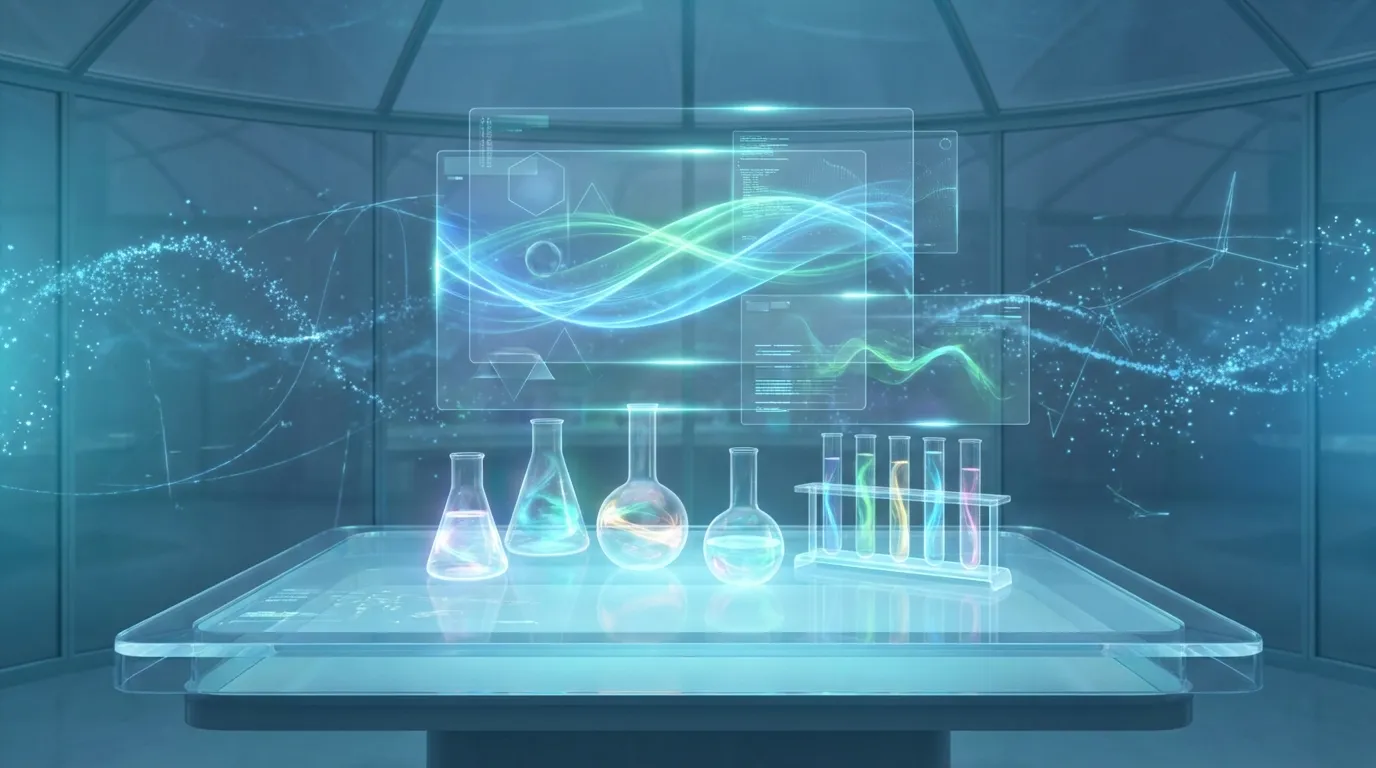
Importantly, high-quality projects are not developed merely as visual showcases but as serious scientific initiatives. One example is VR Chemistry Lab, a virtual chemistry laboratory that allows school students to safely experiment with reagents. The project was developed by STEM-Games with the involvement of a scientific team that included staff from the chemistry faculty of Lomonosov Moscow State University and practicing chemistry teachers. In 2024, VR Chemistry Lab was included in the Top-100 ideas at the forum “Strong Ideas for a New Time”.


Immersive technologies are also improving inclusive education. In St. Petersburg schools, VR and AR are used to support students with disabilities by helping overcome barriers, increasing motivation, and ensuring equal access to learning. At School No. 4 in the Vasileostrovsky District, a VR simulator called “Going to the Store” is used to support social adaptation for students with special needs. It is part of a broader set of simulations, including visits to a clinic, a bank, and a public service center, which complement the course “Foundations of Social Life”.
When Learning Becomes an Adventure
In Russia, VR and AR entered education gradually. Early adoption was cautious and challenging due to the high cost of equipment, a lack of ready-made content, and regulatory constraints for schools.
Nevertheless, practical examples began to emerge. Since 2018, several large educational VR initiatives have been launched, including “Education-2024”, “Digital School”, “Modern Digital Educational Environment”, and “Digital Economy of the Russian Federation”. In 2020, more than 1,000 Russian organizations joined a national program to test VR software. As technology advanced and hardware costs declined, VR and AR moved from niche experiments to viable instructional tools.
More Than a Passing Trend
VR and AR make learning more memorable and increase engagement. They enable practical experience where real-world exposure would be too expensive or impossible, such as complex experiments, anatomical procedures, or travel. At the same time, limitations remain. Equipment costs are still significant, high-quality content is essential, and teachers require proper training and methodology so that immersive tools function as educational instruments rather than entertainment.
“Developers of educational programs must approach their work with extreme care,” said Vasily Ryzhonkov, CEO of ARena Space. “The main goal should not be to show children a spectacular alternative world, as in VR games or attractions, but to deliver simple, clear, and safe learning that takes into account age-related and gender differences.”
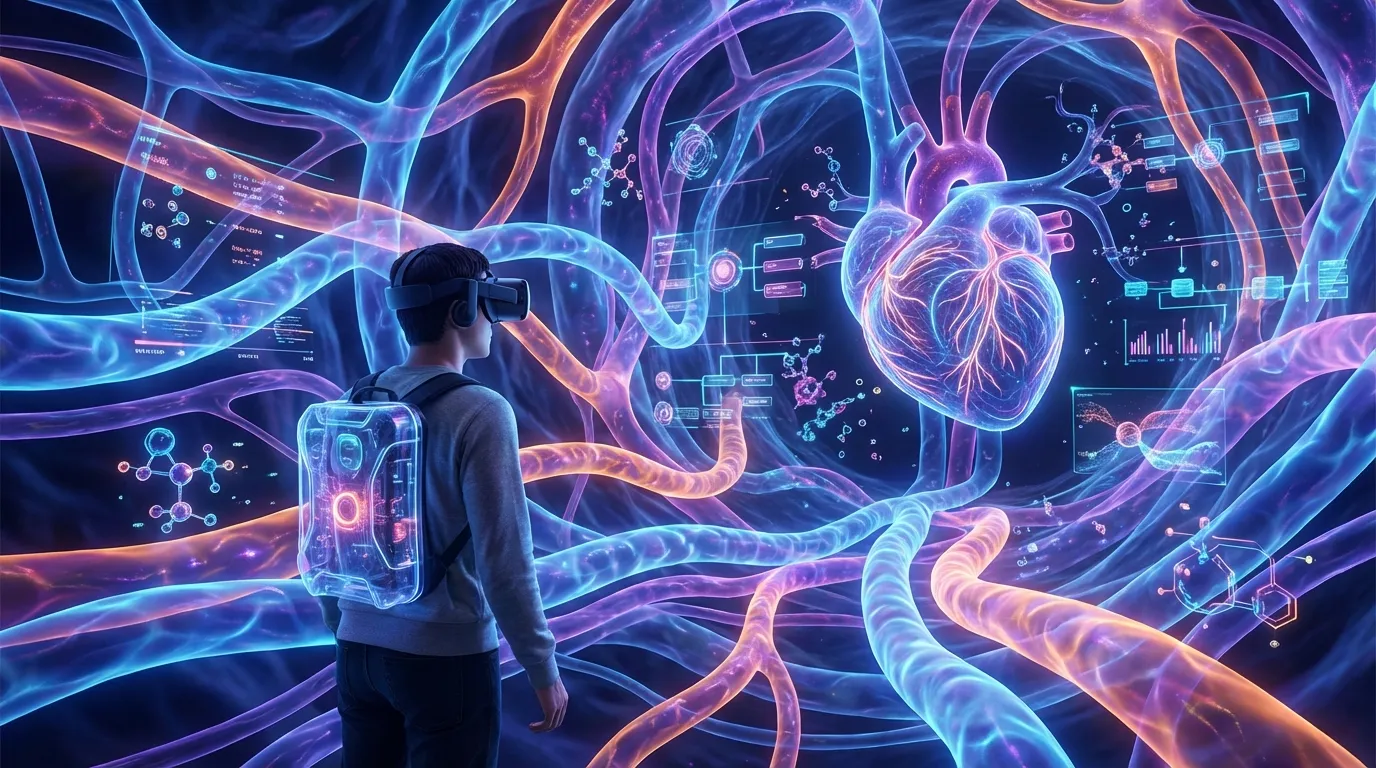
Successful implementation depends on pedagogy, content quality, and thoughtful organization. When these elements align, VR and AR can become powerful tools that immerse students in science and learning in a meaningful way.