Nitride Fuel With a Liquid Metal Interlayer: Rosatom Develops Fuel Rods for Next-Generation Reactors
Scientists have identified a way to “soften” the behavior of high-performance nuclear fuel, and if the results are confirmed under real operating conditions, future reactors could become more reliable and more efficient.
What Has Been Achieved
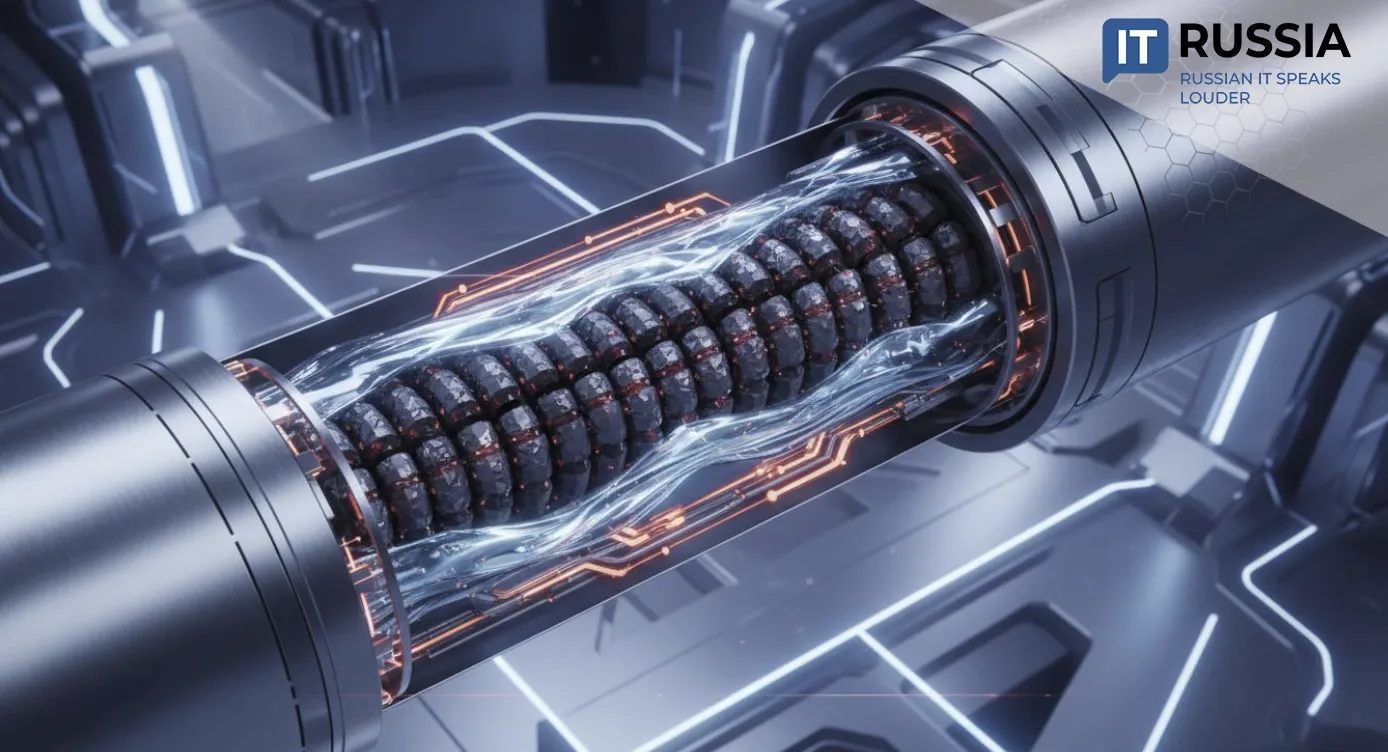
A fuel rod, or fuel pin, consists of fuel pellets placed inside a metal cladding and loaded into a reactor core. In the new design, a thin layer of liquid metal, most commonly sodium, is introduced beneath the steel cladding. Surrounding this layer are pellets made of uranium and plutonium bound with nitrogen. The design has been designated OS-5 and has already passed acceptance at the level of the fuel division.
Why a Liquid Metal Interlayer Is Needed
As nuclear fuel heats up, it expands. If this expansion is fully transferred to the cladding, the risk of cladding damage increases. The liquid metal layer in the gap between the fuel pellet and the cladding acts as a buffer.
It improves heat transfer and partially mitigates fuel swelling, which means the interface between the fuel and the cladding remains cooler and is subjected to lower mechanical stress. As a result, the likelihood of maintaining fuel rod integrity under challenging operating conditions increases, and operators can plan for deeper fuel burnup.
The Role and Benefits of Nitride Fuel
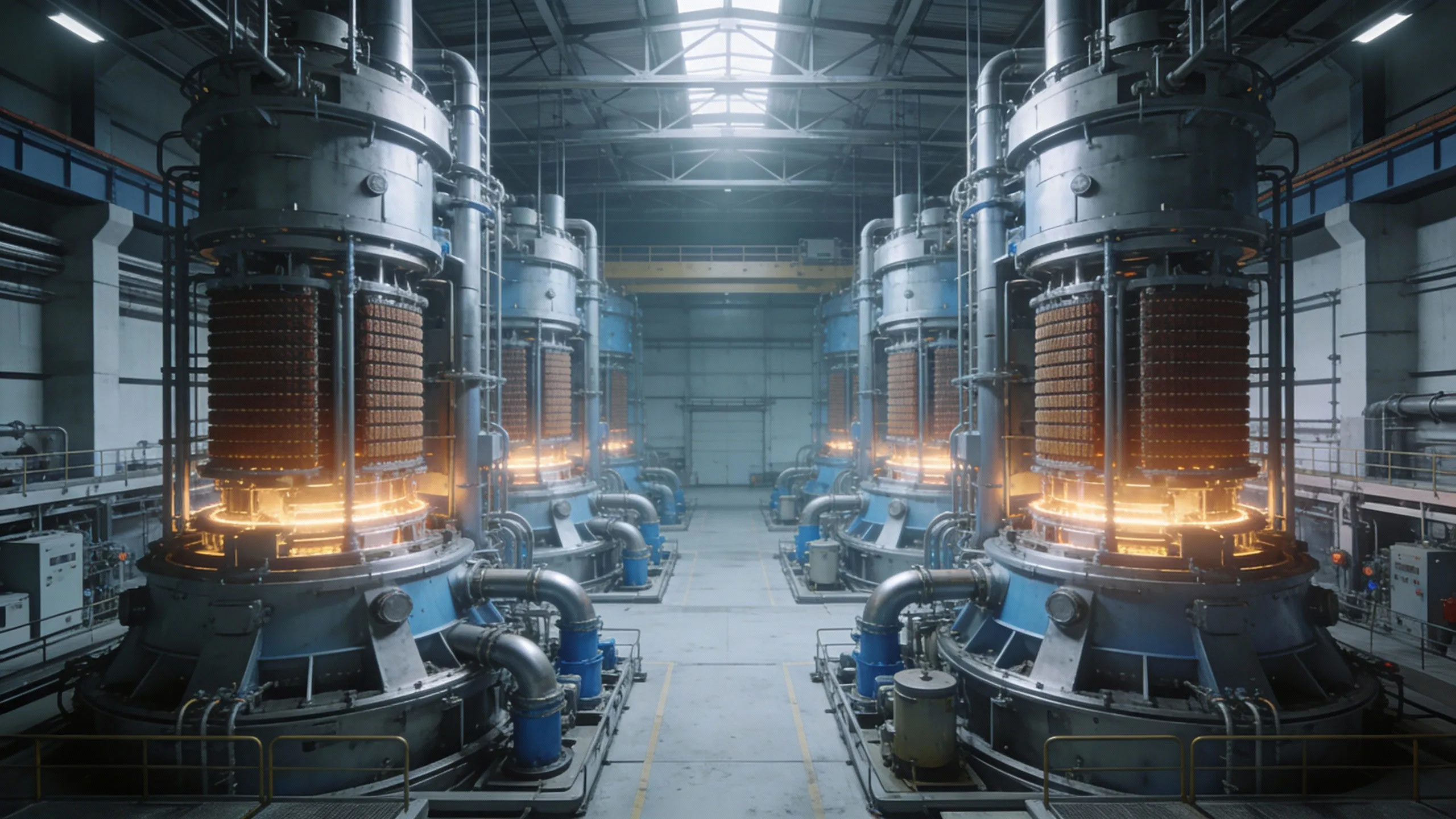
Nitride fuel is valued for its high material density and good thermal conductivity. It allows more energy to be generated per unit volume than conventional oxide fuels. This is particularly important for fast reactors, which aim to maximize the use of fissile materials and support a closed fuel cycle.


However, nitride fuels also come with specific challenges, including strict manufacturing requirements and performance considerations under extreme conditions. The combination of a nitride fuel composition with a liquid metal interlayer is intended to preserve the advantages of nitride fuel while smoothing out its drawbacks.
The Role of Digital Modeling
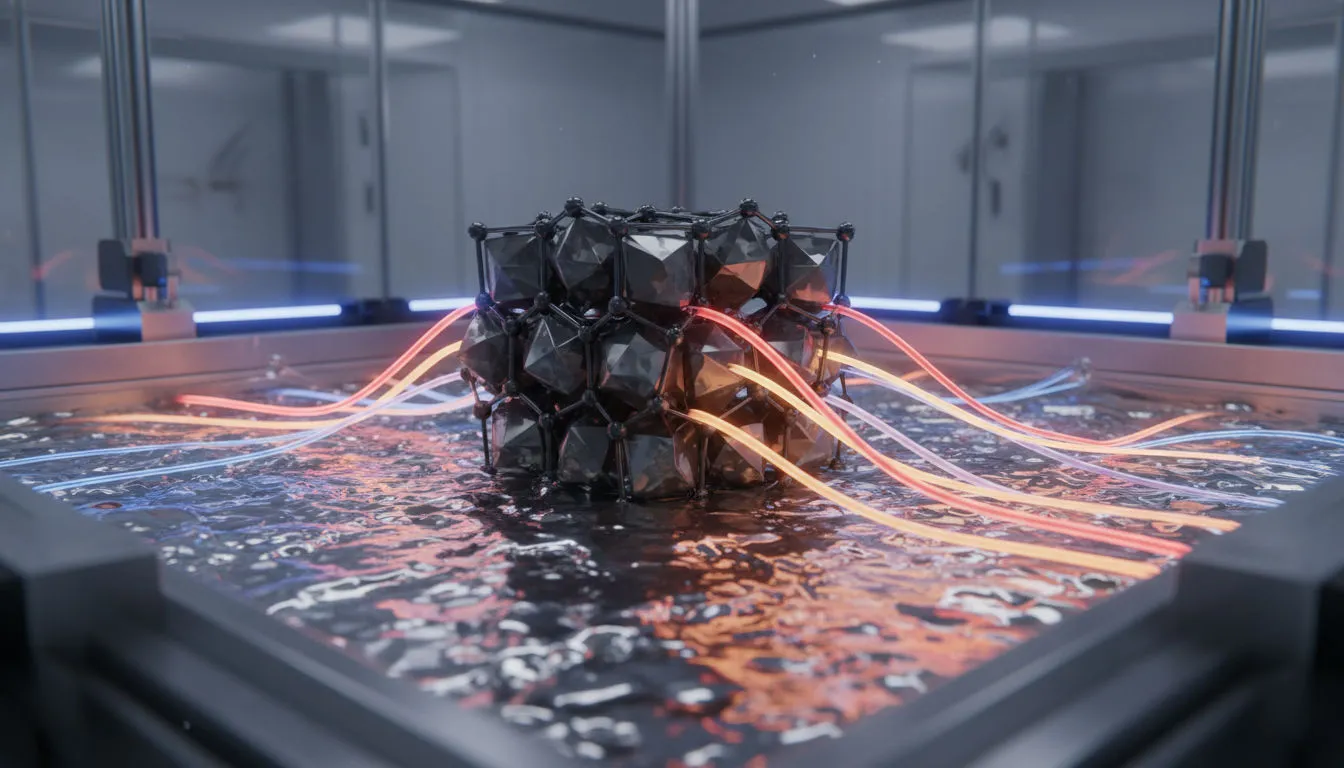
Before manufacturing the fuel assembly, extensive calculations were carried out, including thermal, mechanical, and neutron physics models. Digital simulations help engineers understand how the fuel will behave under heating and irradiation and reduce the number of costly physical experiments required. Based on these simulations, the thickness of the interlayer, the fuel composition, and the cladding materials were selected, reflecting a substantial engineering effort supported by advanced computing.
Testing Under Real Reactor Conditions
Definitive answers will come after in-reactor testing and post-irradiation examinations of the exposed samples.
The plan includes loading experimental fuel rods into a test reactor and conducting long-term monitoring of their behavior. Only after these evaluations will a decision be made on serial application in BREST-type reactors and other fast reactor projects.
As a result, the industry could obtain fuel with a longer operating life and improved operational reliability. Refueling intervals could be extended, less waste would be generated per unit of electricity produced, and the overall economic performance of reactors would improve.