RUSAL Deploys Neural Network Control for Alumina Fraction Optimization
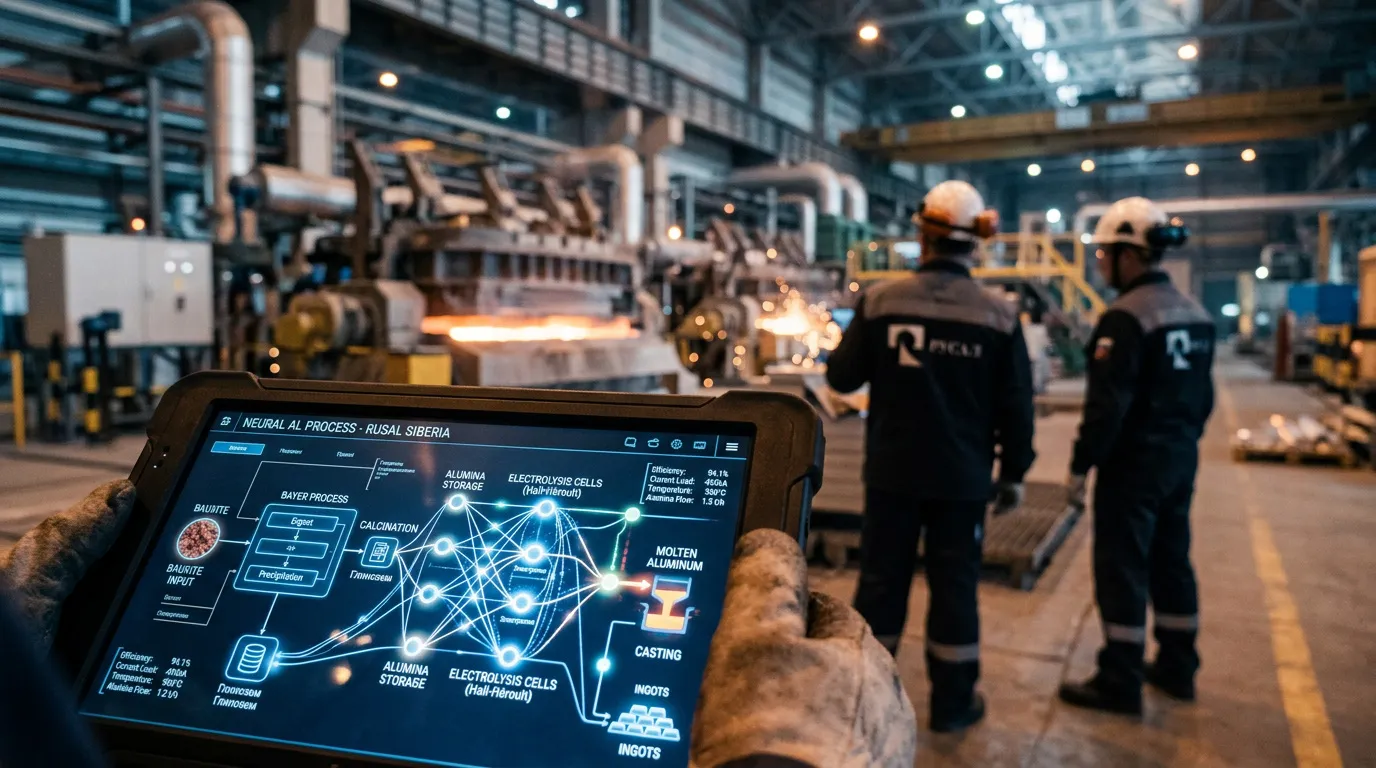
RUSAL has implemented a proprietary neural network system to control aluminum hydroxide fractions at its alumina production facility in Kamensk-Uralsky. The system has completed testing and is now operating as a full participant in the production process.
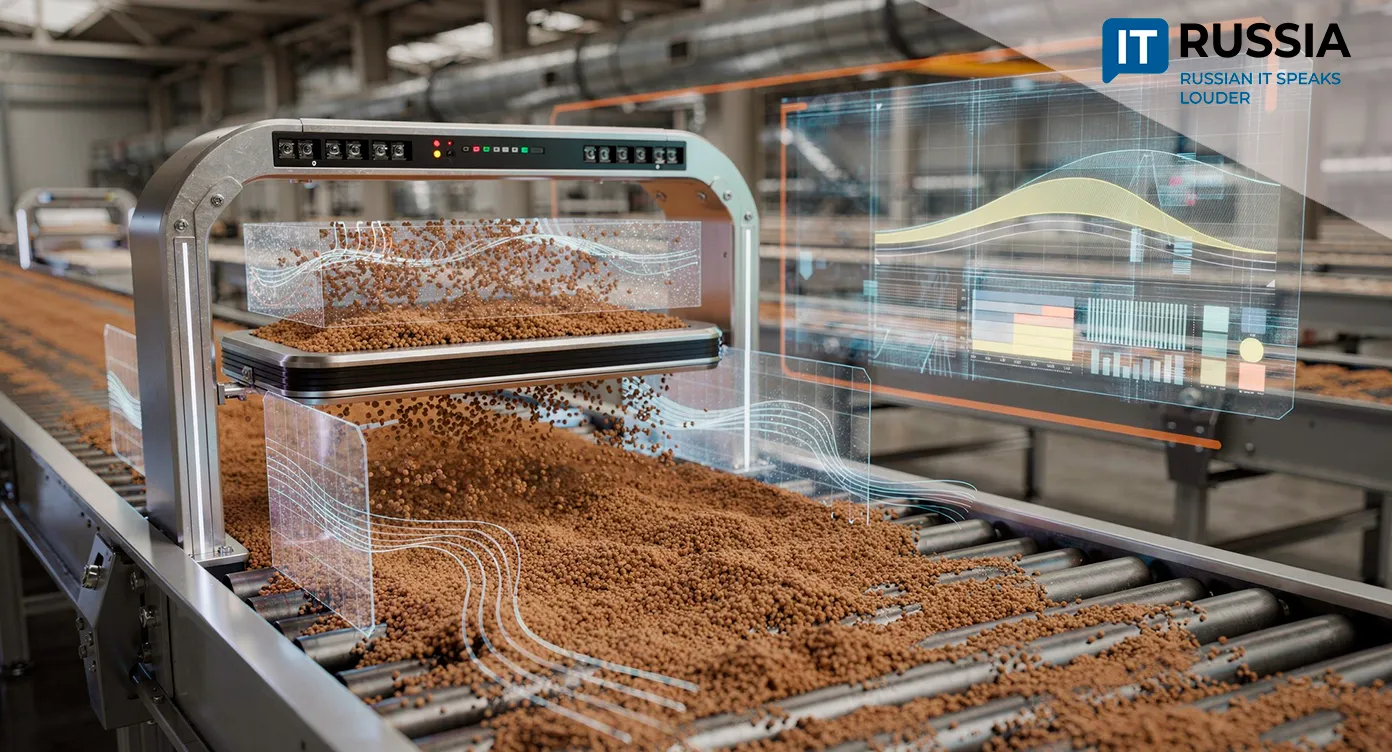
The system is built on a digital twin of the decomposition process, trained on 15 years of historical data, combined with a multi-parameter optimization algorithm. The solution has already delivered measurable results: the share of fine fractions in the product has been reduced by 4.4%, while an increase in the average alumina fraction improves downstream electrolysis. This reduces consumption of alumina, anodes and electricity per ton of aluminum, while also improving product quality.
The project signals a shift in Russian metallurgy from point automation to predictive process control. For Russia’s IT sector, it represents a case of industrial AI embedded in a real continuous process – aligning with the global trend toward integrating industrial software, mathematical modeling and AI capabilities.
RUSAL’s Advanced Practices
RUSAL is the world’s largest aluminum producer, with operations on every continent except Antarctica. The company is also known for innovation, environmental initiatives and social programs. Since 2017, it has produced aluminum under the ALLOW brand, with a carbon footprint three times lower than the global average. This metal is used in renewable energy infrastructure, advanced transport solutions and sustainable packaging.
The company has also developed inert anode technology that virtually eliminates greenhouse gas emissions in aluminum production. Instead of carbon dioxide, the process releases pure oxygen – about 900 kg per ton of aluminum. Industrial deployment is scheduled for 2026.
RUSAL has also advanced technologies in rare earth extraction. Its engineering and technology center has developed a proprietary method for extracting scandium from red mud, positioning the company among global leaders in scandium production.
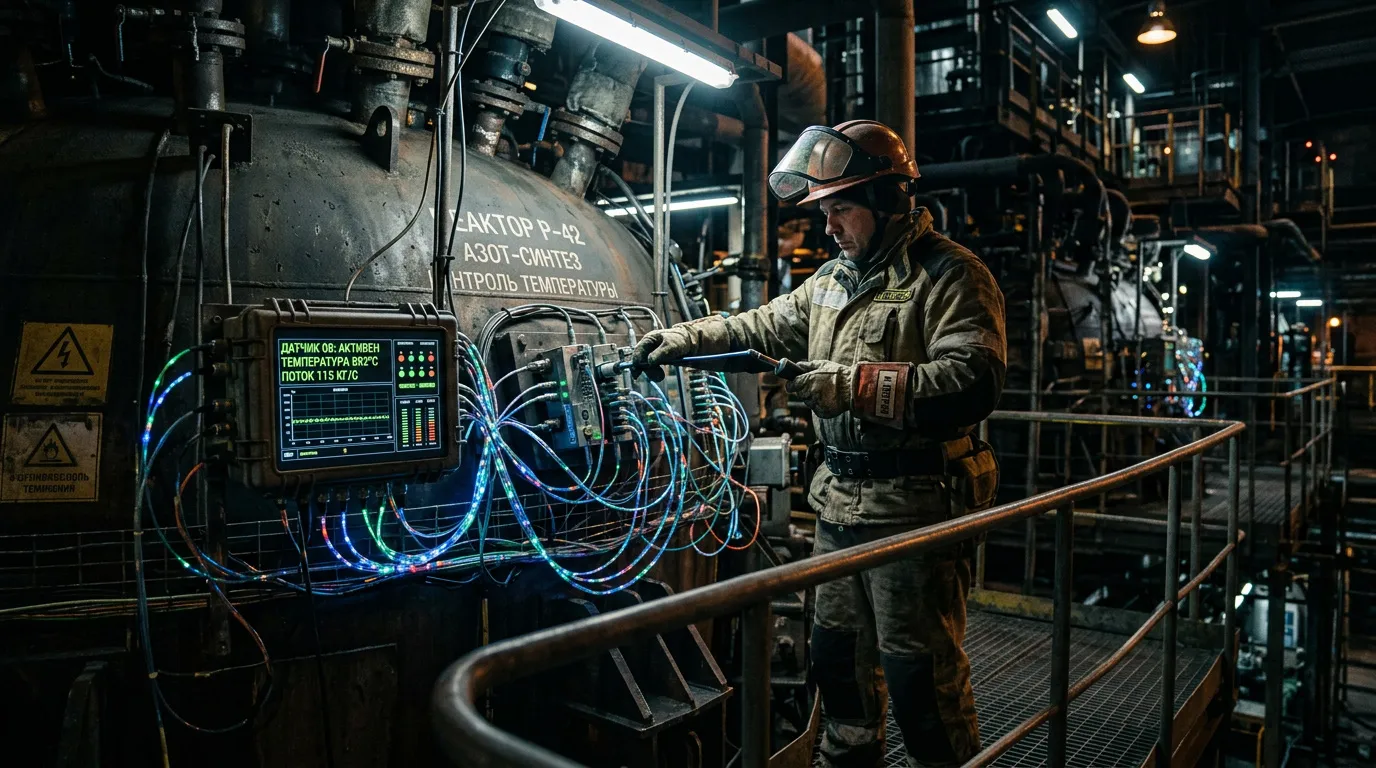
RUSAL was among the first to deploy digital twins at its plants to optimize production processes, reducing resource consumption and increasing productivity. The decomposition digital twin at the Kamensk-Uralsky plant represents a new stage in applying AI tools. Neural networks have enabled predictive, recommendation-based control of the decomposition process for the first time. In this area, the Russian solution is reported to outperform comparable offerings from Western providers.
New Opportunities for Expansion
In May 2024, RUSAL announced investments of RUB 1.6 billion (approximately $17 million) in machine vision and AI deployment across five aluminum plants. These efforts focused on monitoring electrolysis shops and reducing depressurization time in electrolyzers. The initiative laid the groundwork for the aluminum hydroxide fraction control system now deployed in Kamensk-Uralsky. In the same year, the company completed industrial trials of AI in electrolysis control, with neural networks learning to calculate electrolyte composition and adjust the process more quickly. This serves as a close precedent, demonstrating how RUSAL is systematically extending AI tools across multiple stages of the aluminum value chain.
To support this strategy, the company established a dedicated industrial AI department. Its roadmap includes projects such as a “digital technologist,” a “digital smelter operator,” and AI-driven control of inert anodes.
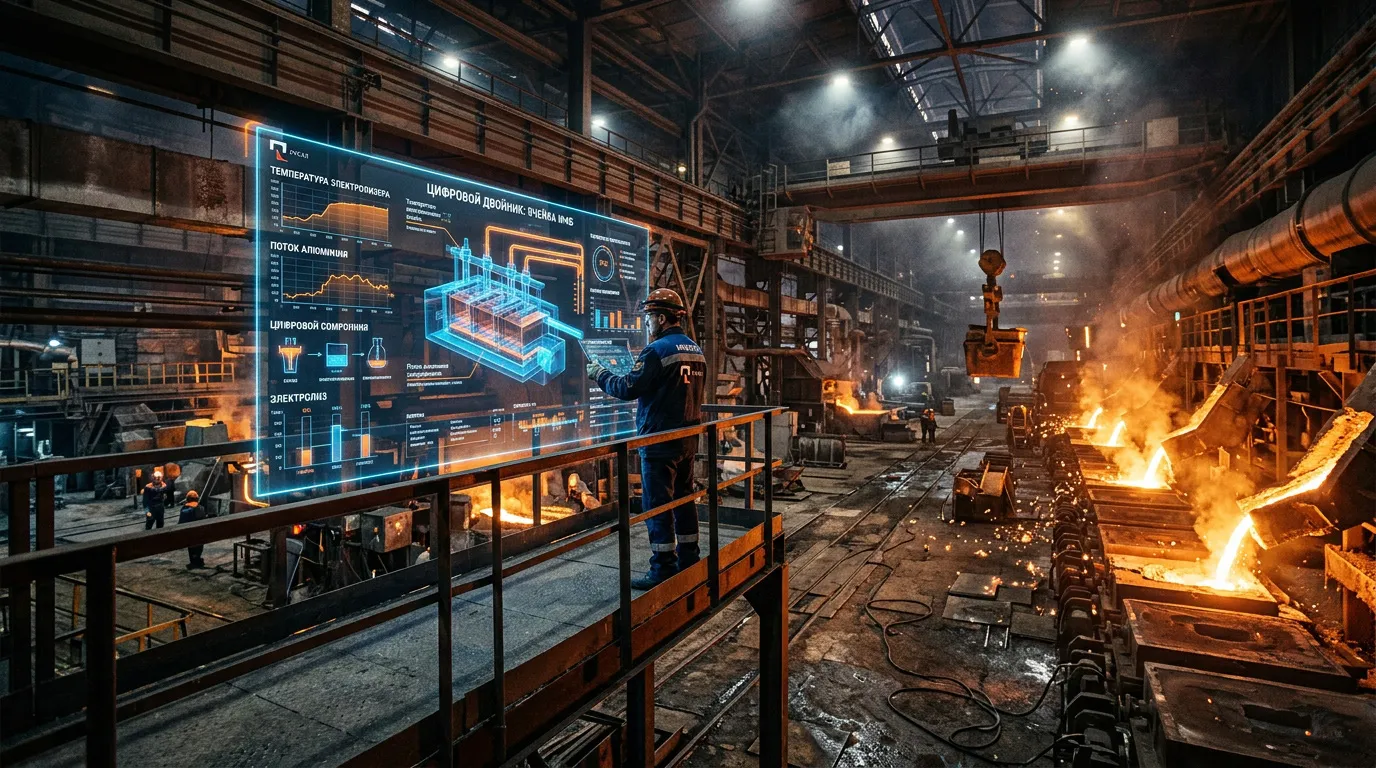
Meanwhile, the broader trend in Russian metallurgy extends beyond RUSAL. For example, Severstal is developing a digital twin of the blast furnace process for optimization, monitoring and control of pig iron production. This indicates that digital twins and AI-driven approaches are becoming standard practice at large metallurgical operations in Russia.