Corn Breeders Are Transforming Business Processes
Russia’s corn research sector is adopting digital tools to manage complex agricultural processes, with the All-Russian Research Institute of Corn rolling out the SmartAgro platform to automate operations and improve decision-making.
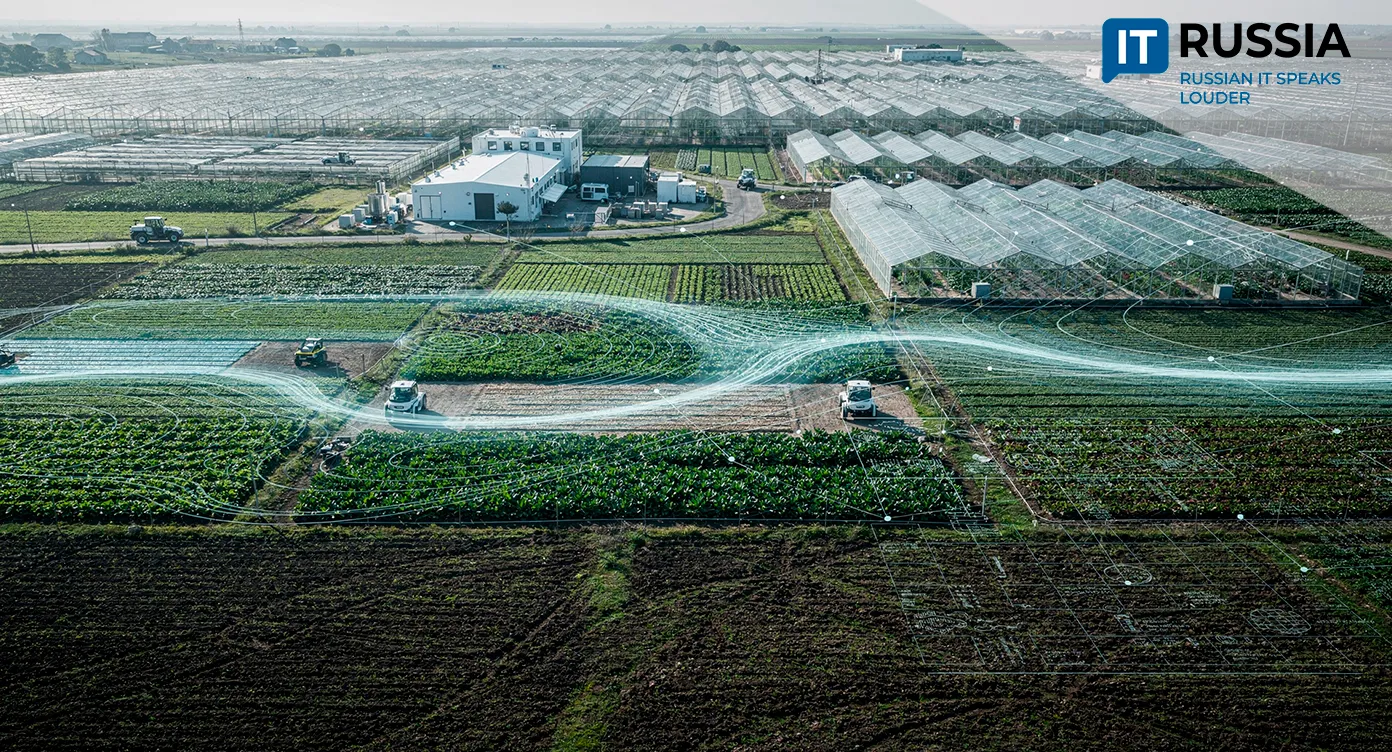
Managing large-scale production processes and distributed assets is a complex task for any enterprise. In Russia, business process automation has traditionally been applied in energy, utilities and oil and gas. But it is increasingly being used in agriculture as well, including in applied agrarian science.
The All-Russian Research Institute of Corn is digitizing its production processes – and doing so steadily and systematically.
Digital Management at Scale
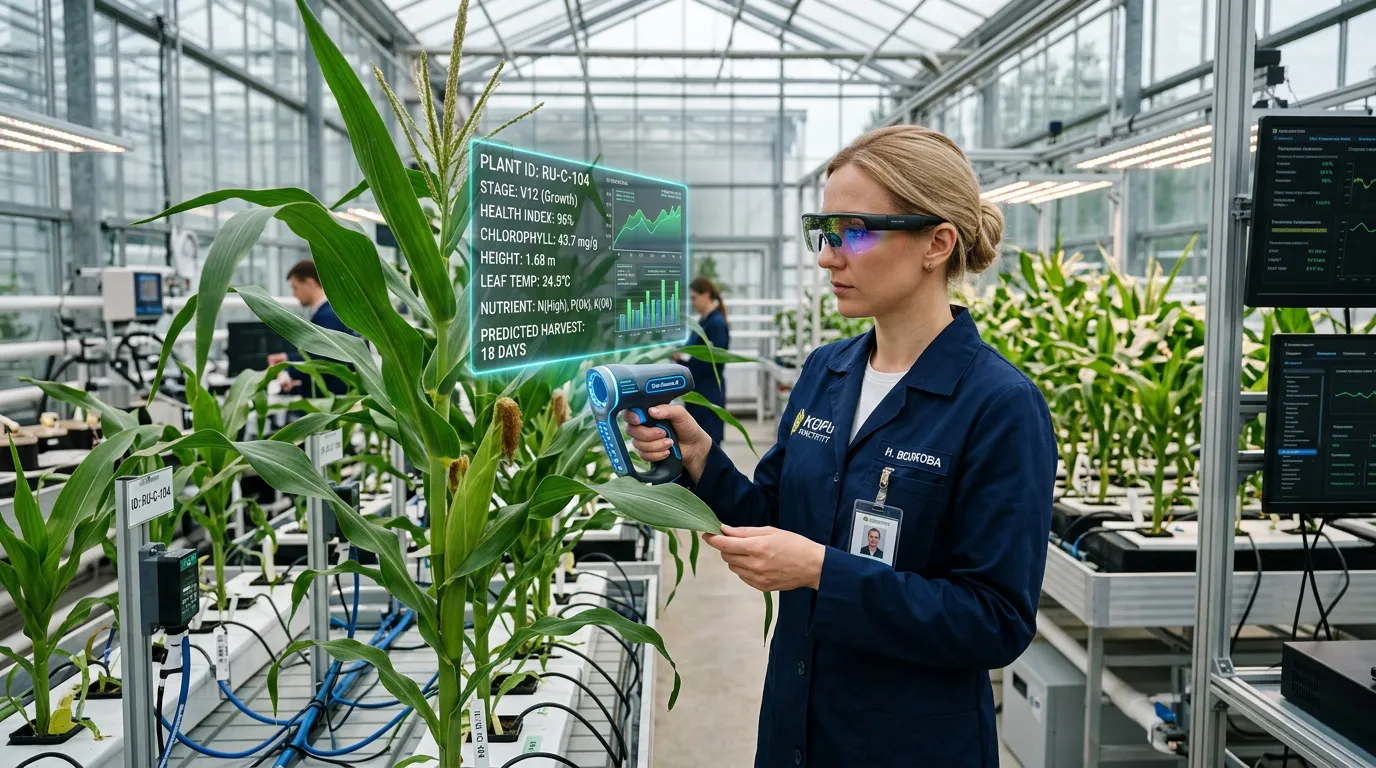
The institute is a large and complex organization with federal research center status. It conducts both fundamental and applied research, developing and implementing solutions in plant breeding, seed production and corn cultivation technologies. Its headquarters are located in Pyatigorsk, with branches in Voronezh and Omsk. The institute operates an extensive asset base, including six laboratories, agricultural fields, greenhouses and a fleet of farming equipment.
To manage this complex operation more effectively, the institute will deploy SmartAgro – a digital platform designed for integrated management of agrotechnological processes.
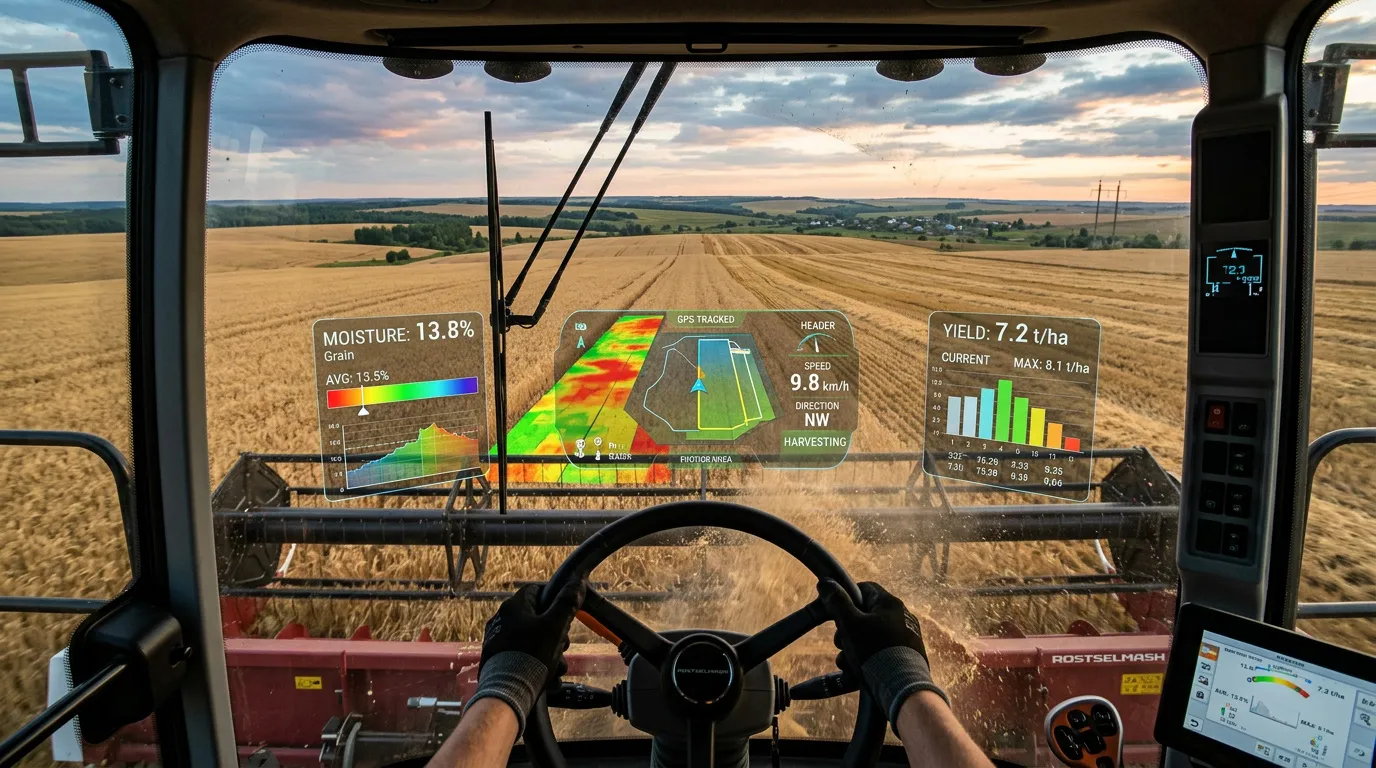
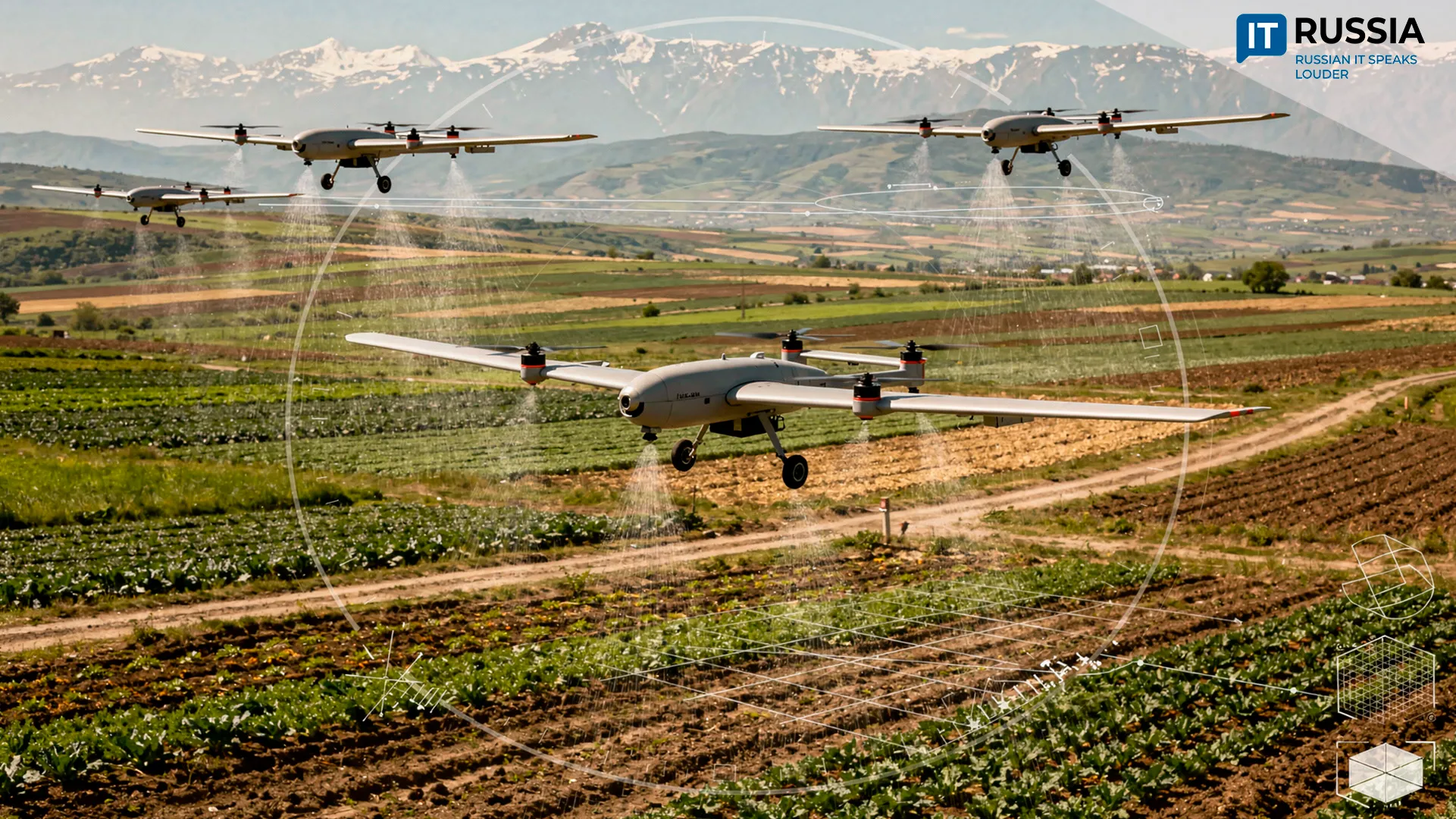
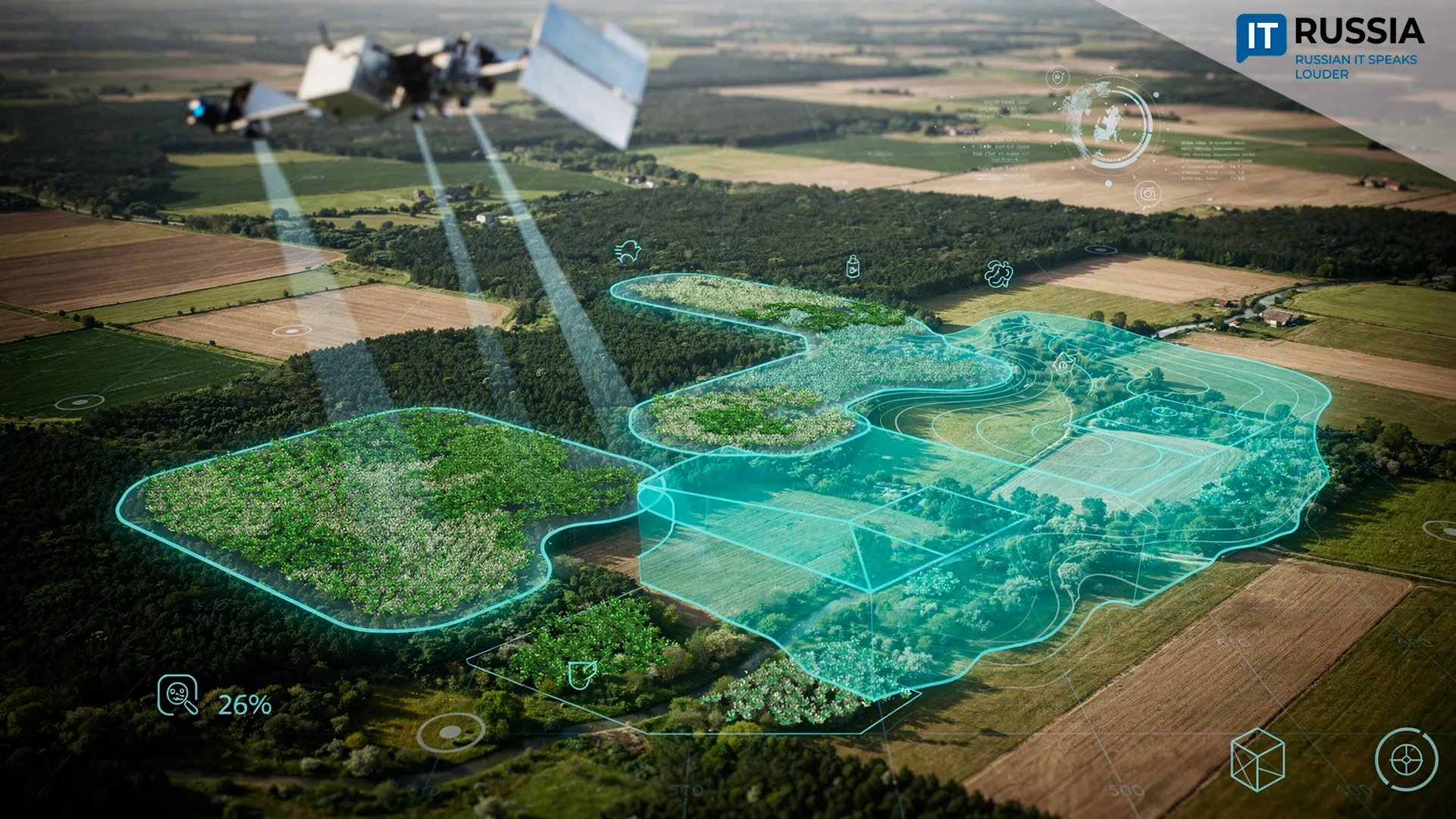
The system being implemented consolidates data on land plots, agricultural machinery and field operations into a single information environment. This enables real-time monitoring of fieldwork, control over equipment performance parameters and structured data collection for each field.
Digital tools will help increase transparency in production processes and improve resource efficiency. The platform also enables compliance monitoring with agronomic requirements and accelerates analysis of collected data.
A Unified Decision-Making Framework
The introduction of an automated asset management system covering fields, laboratories and equipment marks a shift from fragmented record-keeping to a unified digital decision-making framework. This is particularly important for an institute engaged in breeding, hybrid testing and agronomic research. Digital datasets enable faster and more accurate comparison of results across seasons, locations and operations, ultimately accelerating the development of higher-yield crop varieties.
The rollout of SmartAgro at the institute could serve as a model for wider adoption across other farms and regions. The case may become a standard approach for experimental farms, breeding centers and seed production enterprises.
However, similar platforms are already being deployed in private breeding operations in Russia. For example, the Tanais agro-industrial complex in the Voronezh region is implementing the NERPA EAM system developed by Novosoft for managing physical assets and equipment maintenance. Tanais focuses on breeding and field production of seeds for key crops, including sunflower, corn, soybeans, winter rapeseed and alfalfa.
Since 2004, the company InfoBiS has been developing the Agrosignal platform – a comprehensive solution for managing agricultural technologies. The system covers planning, machinery monitoring, fieldwork control, analytics, crop scouting, mapping and accounting automation. Since 2021, the company has been scaling its solutions beyond Russia.
Digital Transformation of Agricultural Science
The deployment of SmartAgro aligns with the Ministry of Agriculture’s plan to transition at least 80% of agricultural enterprises to domestic software solutions by 2030. This will facilitate integration with federal digital services, which are being consolidated within a unified digital platform for agriculture and fisheries.
Thus, the adoption of domestic applied software continues across core agricultural operations, including accounting, analytics, dispatching, machinery monitoring and work planning.
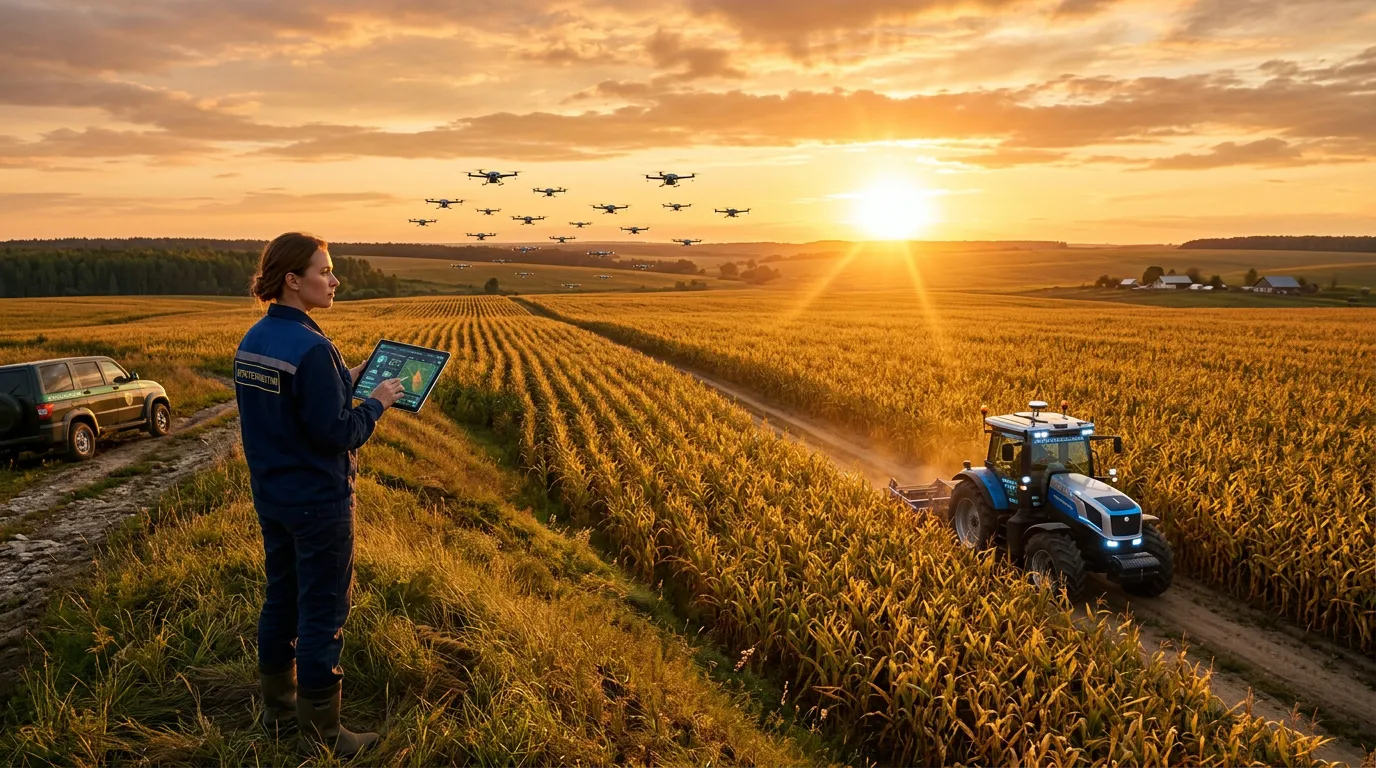
For Russia’s IT sector, the development of a national digital agriculture architecture expands market opportunities and creates new growth potential. The digital transformation of agriculture is still in its early stages, with agri-digital solutions emerging as a distinct and promising segment of the economy. Looking ahead, if Russian developers demonstrate measurable economic benefits from their platforms, they will be well positioned to enter new markets in partner countries.