Additive Manufacturing Opens Its Doors: Inside Russia’s “Day Without Turnstiles”
As part of the “Den bez turniketov” (Day Without Turnstiles) initiative, thousands of visitors explored the Rosatom Additive Technologies Center in Moscow, gaining first-hand exposure to advanced industrial 3D printing.
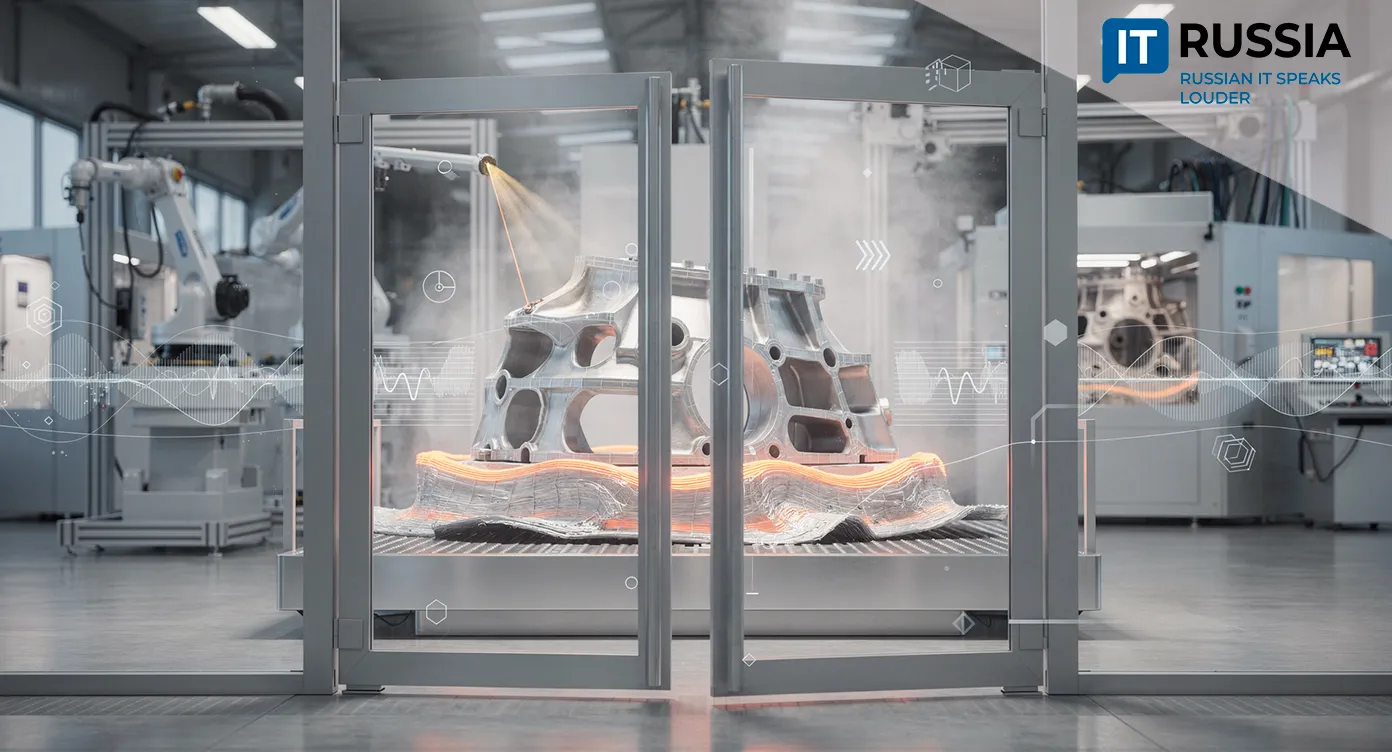
Students and early-career professionals were shown the full production cycle of metal components – from digital scanning to finished parts produced on industrial additive systems.
The Den bez turniketov project has been opening the doors of leading Russian enterprises to the public for nearly fifteen years. These visits are particularly valuable for young people, for whom such exposure can become a first step toward a technical career. This time, residents of Moscow were given access to more than 122 companies across the city.
At the Additive Technologies Center, visitors were introduced to three key metal printing technologies. On the RusBeam 1500 system, engineers demonstrated electron beam wire deposition: the machine builds complex metal parts layer by layer, including geometries with double walls and sharp curves. Meanwhile, direct metal deposition (DMD) technology enables the restoration of missing sections of high-value industrial components while preserving the geometry and material properties of the original part.
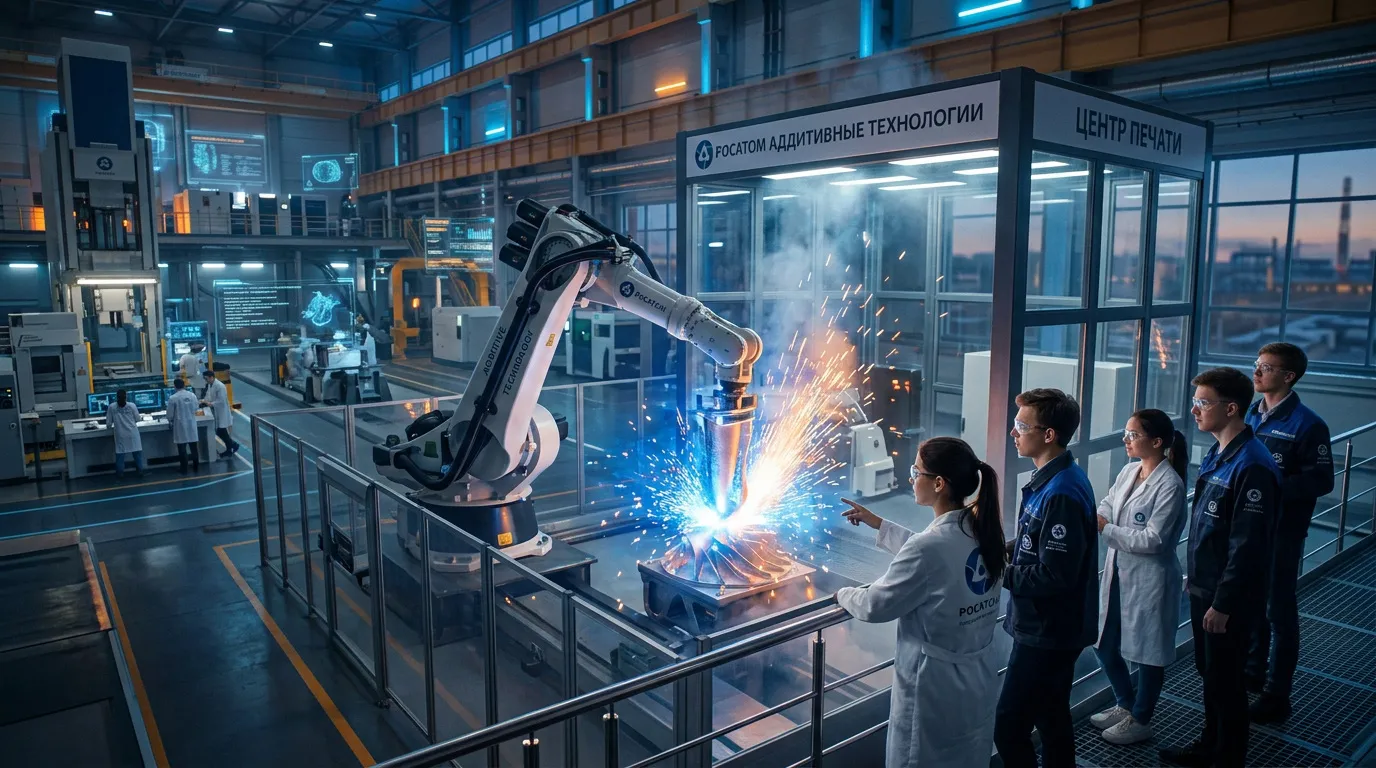
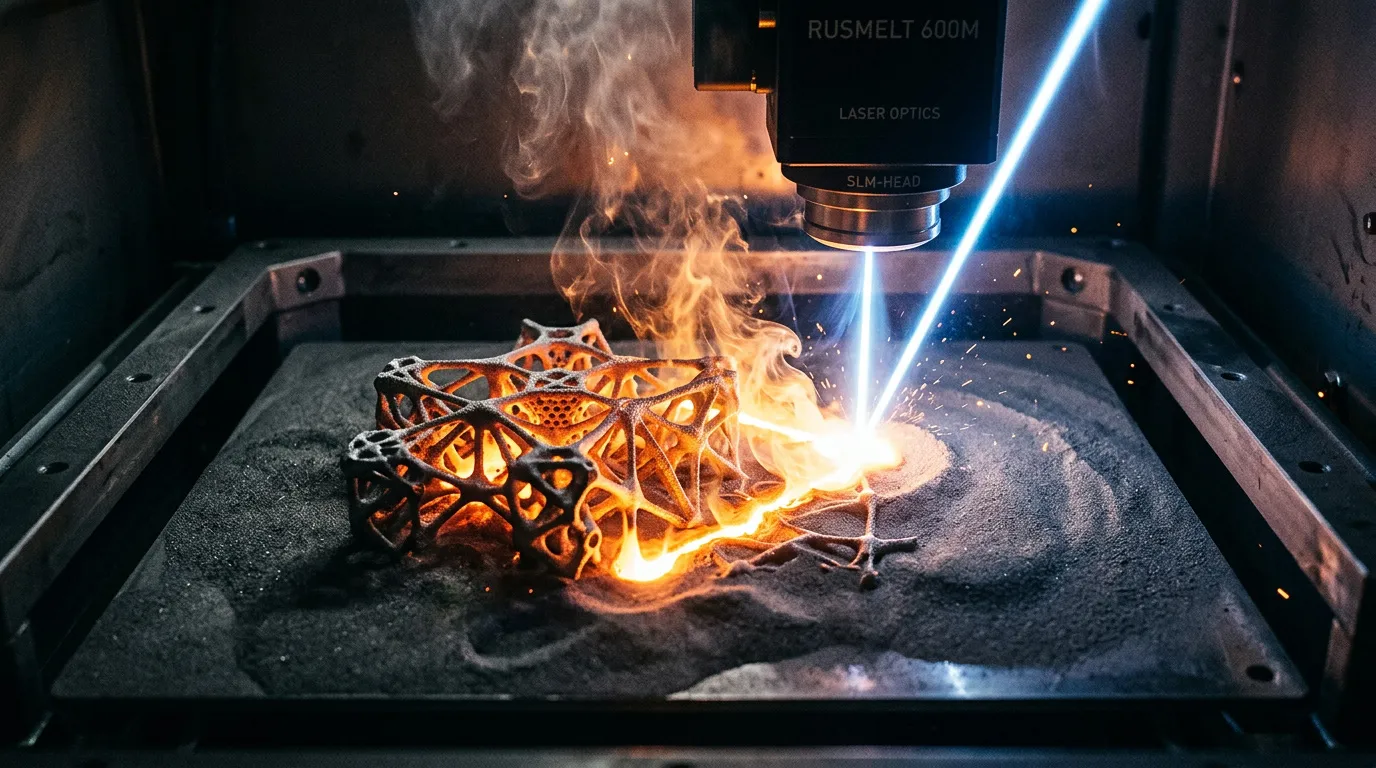
Particular attention was drawn to flagship systems – the RusMelt 300M and RusMelt 600M printers, which operate using selective laser melting (SLM). These systems produce components for the nuclear sector, aviation, oil and gas, and medical applications. Visitors were shown a fragment of the core baffle for a VVER-TOI reactor – a highly complex structure manufactured on Russia’s largest 3D printer equipped with a robotic arm.
Industrial Impact and Efficiency Gains
Additive manufacturing enables the production of complex components twice as fast, increases material strength by around 30% through advanced alloys, and reduces production waste by up to 90%. These gains are particularly critical in high-technology industries, where shorter development cycles and lower material consumption directly affect competitiveness.
Beyond industrial systems, visitors were also introduced to the “3D Kreativik” kit – an educational platform for building models from biodegradable plastic. Such tools extend access to additive technologies beyond professional users, turning 3D printing into a hands-on learning environment for younger generations.
From Exposure to Career Pathways
The Rosatom Additive Technologies Center is part of a broader programme to scale additive manufacturing across the nuclear industry. The facility not only produces components for internal use but is also developing export capabilities – Russian 3D printers and related technologies are already being supplied to neighboring countries. For young professionals, this opens career pathways not only in manufacturing, but also in materials science, industrial robotics programming, and digital engineering.
The Den bez turniketov initiative itself acts as a bridge between education and real-world industry. A visit to the Additive Technologies Center allows students to see how theoretical knowledge in physics, chemistry and computer science translates into industrial solutions.
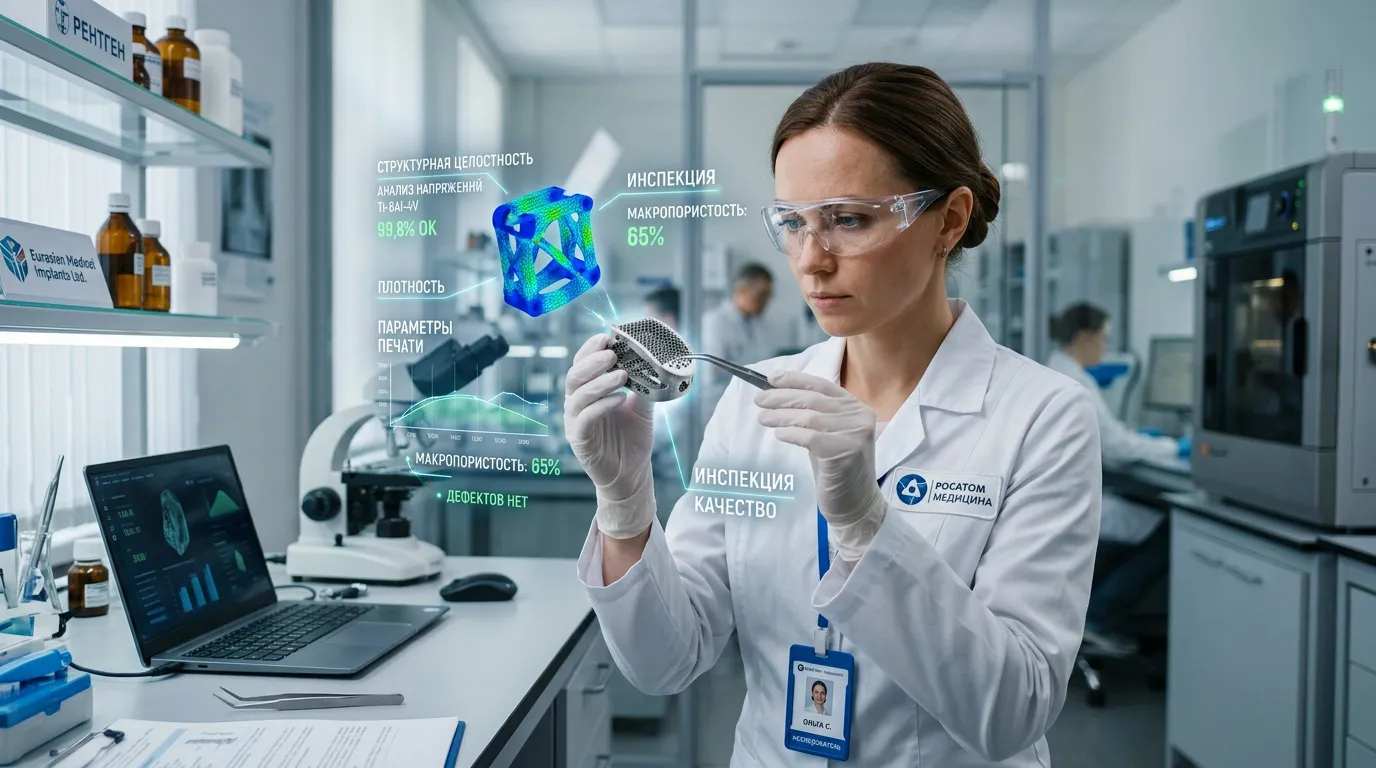
Today, the integration of education, science and manufacturing is becoming increasingly important. The country requires specialists who understand modern production processes and can apply their knowledge in practice. The nuclear sector, traditionally associated with reactors and fuel, is now actively expanding into digital and additive competencies.