No Tickets Needed: Russia Upgrades Digital Doctor Appointment Booking
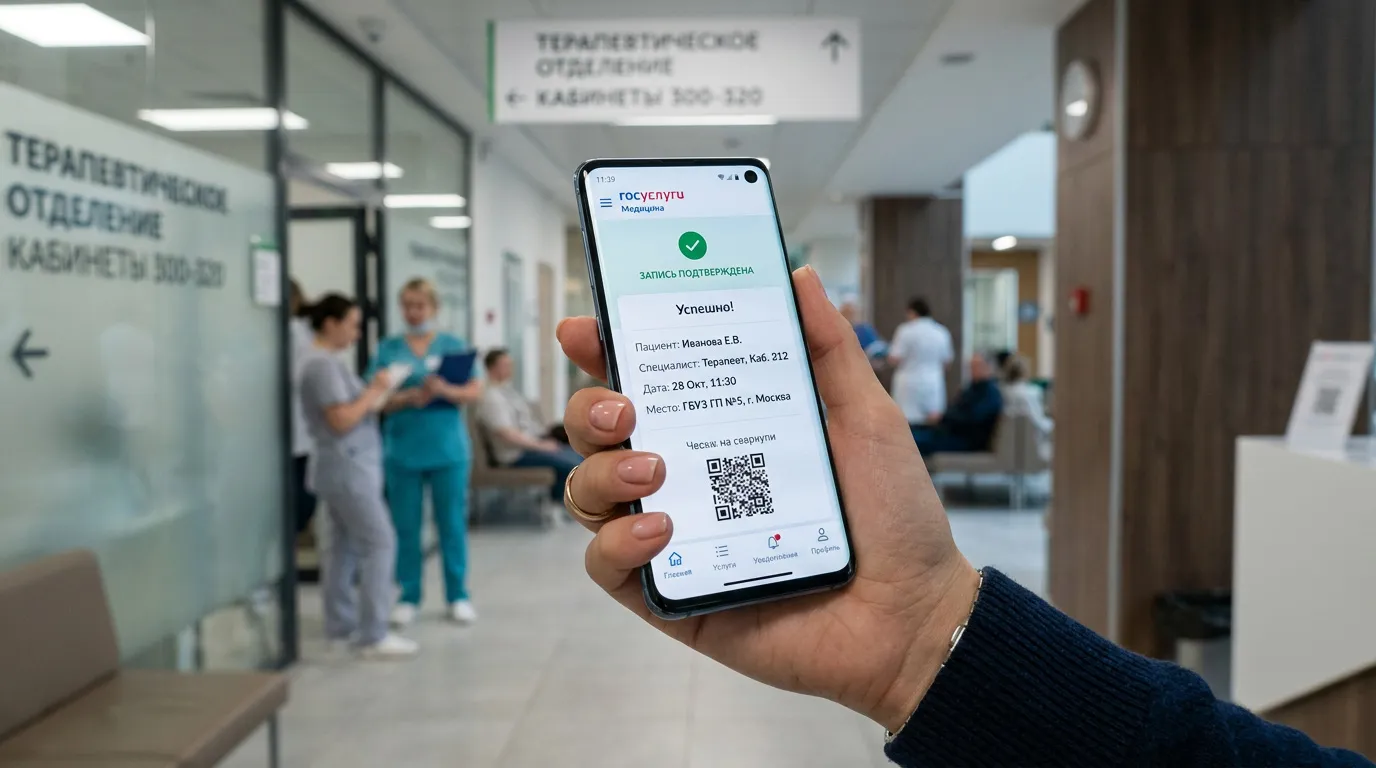
Russia is introducing two new appointment booking scenarios on the Gosuslugi portal. If no slots are available at a selected clinic, users will be able to submit a request and receive a notification when an opening appears. Alternatively, the system will automatically suggest another nearby medical facility with the required specialist and offer to book an appointment there. Here is how the update will work.

In the Samara region, as across Russia, authorities are preparing upgrades to doctor appointment booking through the Gosuslugi portal. The changes focus on two new features designed to improve usability. The first is deferred booking. If no appointments are available at a chosen clinic, users will no longer receive a simple rejection. Instead, the system will offer to register a request and notify them when a slot becomes available.
The second feature is automated alternative routing. If a patient cannot see a required specialist at their primary clinic, the portal will identify other nearby medical organizations with available appointments and immediately offer booking options.
The work is being carried out under a directive from Vladimir Putin. He instructed the government, together with the All-Russia People’s Front, to refine appointment booking via the Unified Public Services Portal. A progress report is due by September 1, 2026. By 2027, the system will include an additional metric: patient satisfaction with the quality, timeliness and accessibility of care. In practice, this means the digital service will be evaluated based on whether it improves real patient outcomes.

What Has Already Been Built
To understand the scale of these changes, it helps to look at what is already in place. According to the Ministry of Health, 56.5 million citizens used services in the “My Health” patient account on Gosuslugi in 2024. That is more than one-third of the country’s population.
Initially, the goal was straightforward: move appointment booking from front desks to the internet. That objective has largely been achieved. Today, users can select a time, doctor and clinic through Gosuslugi. But usability often stopped there. If no slots were available, the process stalled. Patients had to call, visit in person or find workarounds. When care was urgent, this meant lost time and added stress. The new workflow is designed to close that gap.
From Dead Ends to Two-Click Access
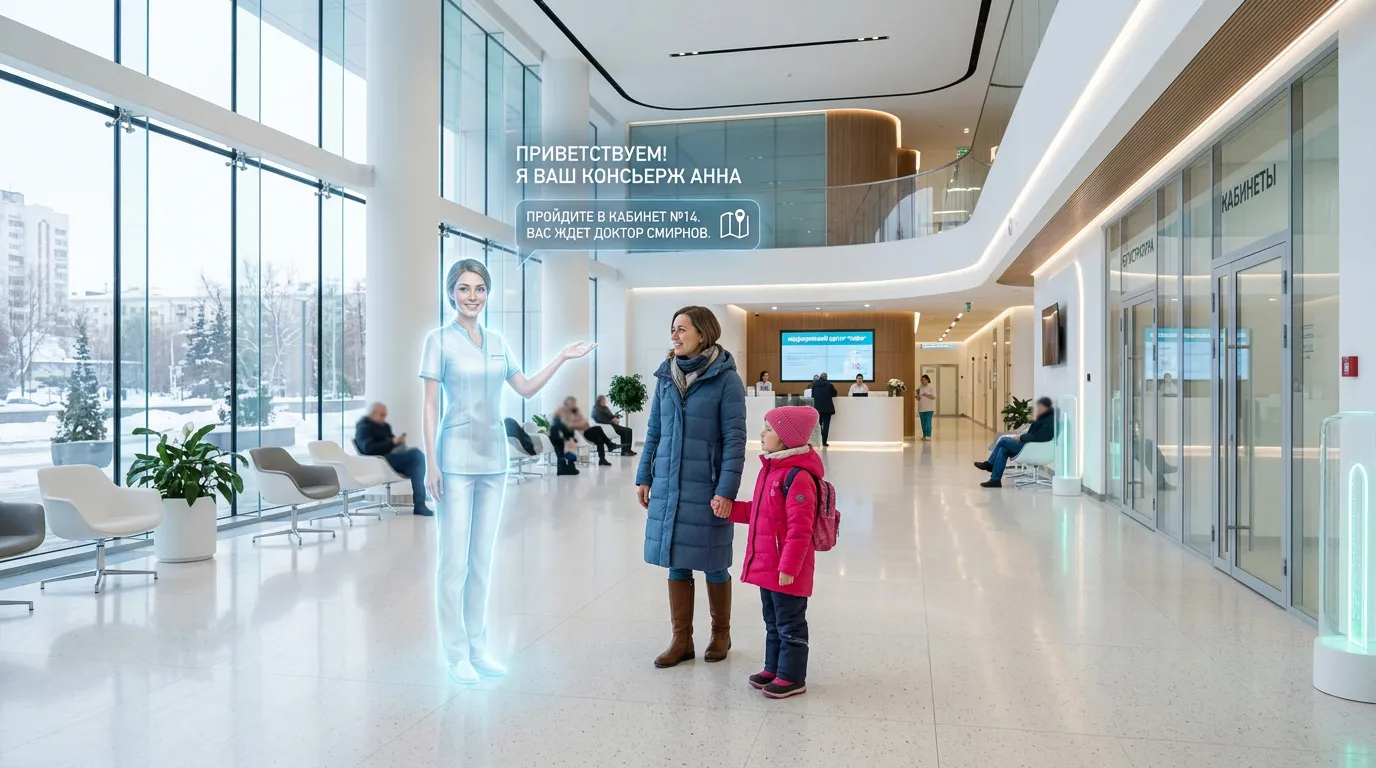
For residents of the Samara region, the changes translate into clearer and more predictable access to care. This is particularly important for parents with children, older adults and people who cannot afford time-consuming visits to clinics. The result is fewer queues, less frustration and fewer conflicts at registration desks.
At the system level, the update enables more efficient distribution of patient flows. When the platform can see capacity across multiple facilities, it can direct patients to available providers. This reduces pressure on overloaded clinics and improves access to care overall.
Why This Matters for Russia’s Health IT
At first glance, improving appointment booking may not seem like a breakthrough IT development. In reality, it involves one of the largest civilian digital platforms in Russia – the Gosuslugi portal.
Enabling tens of thousands of clinics, each with its own software, to operate within a unified system and provide patients with a single, coherent care pathway is a complex technical challenge. It requires coordinated work across developers, system integrators and healthcare IT providers.
For the domestic IT sector, this represents a strong internal demand signal. Developers and vendors gain clear requirements and long-term contracts. Capabilities grow, technologies mature and solutions emerge that can potentially be adapted for international markets.
Global Relevance and Export Potential
At present, it would be premature to describe this as a widely exported technology. However, the potential is clear. Many countries, including in Europe and Asia, face the same issue: digital booking exists, but it lacks intelligence. Patients are often left without guidance when no appointments are available.
The Russian approach demonstrates how a government digital platform can evolve from a scheduling tool into a system for managing patient flows. Such capabilities are increasingly valued in global digital health markets.
If successfully implemented, this upgrade could become one of the most visible improvements in public digital services. Appointment booking is a high-impact, high-sensitivity use case that directly affects quality of life.