Tatneft Moves Cluster Pumping Stations to Unmanned Operation
Tatneft has moved the last seven cluster pumping stations (CPSs) to unmanned operation, completing the automation of all facilities in this class. Until now, equipment pressure, temperature and vibration have been monitored by operators.
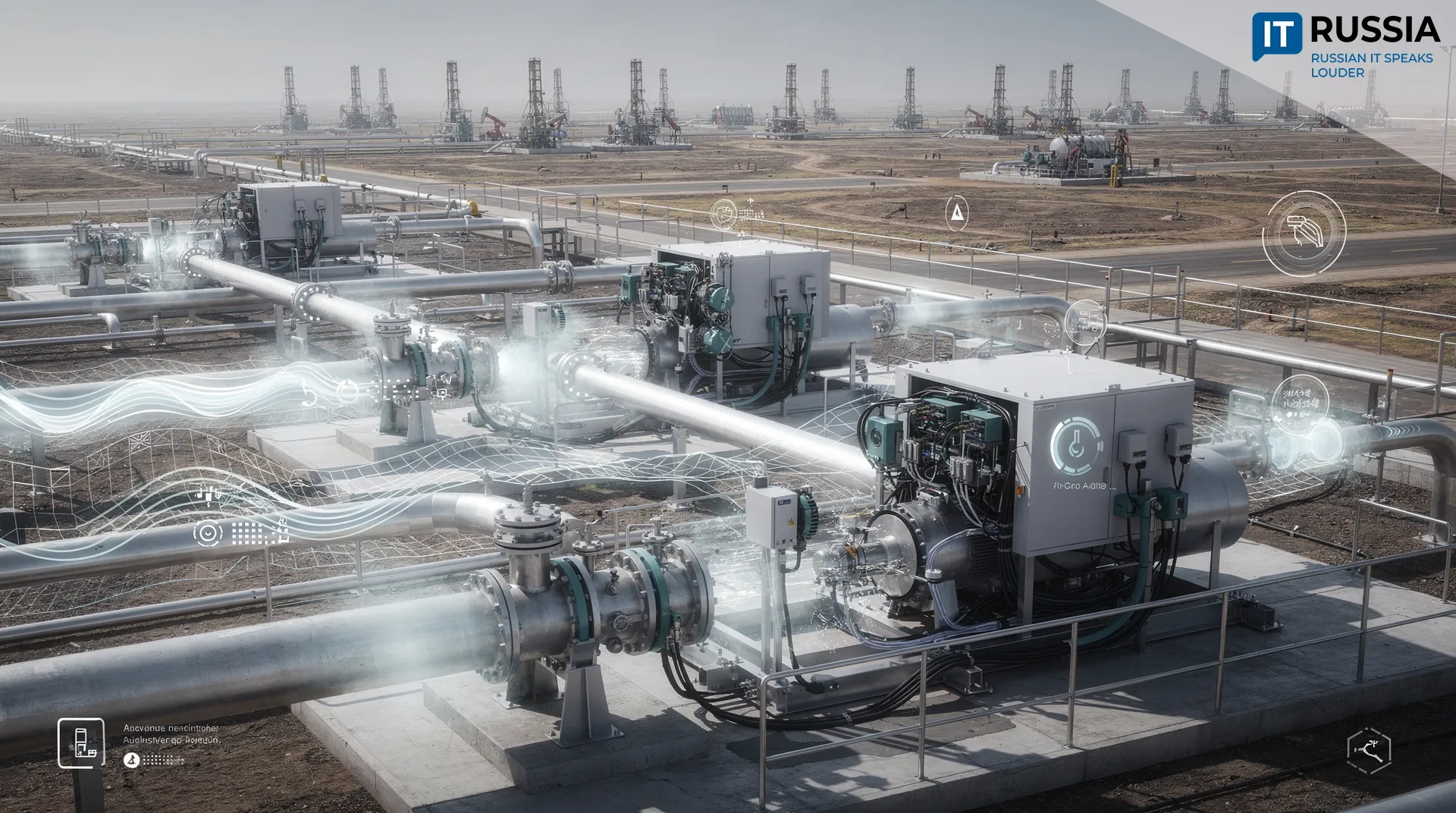
One such facility is CPS No. 1417 at the Sirenevskoye field, operated by Tatneft’s Yamashneft oil and gas production department and in service for more than 50 years. Throughout that time, operators here, as at other facilities, manually opened and closed valves, keeping the isolation equipment operating around the clock.
Automation Replaces Manual Control
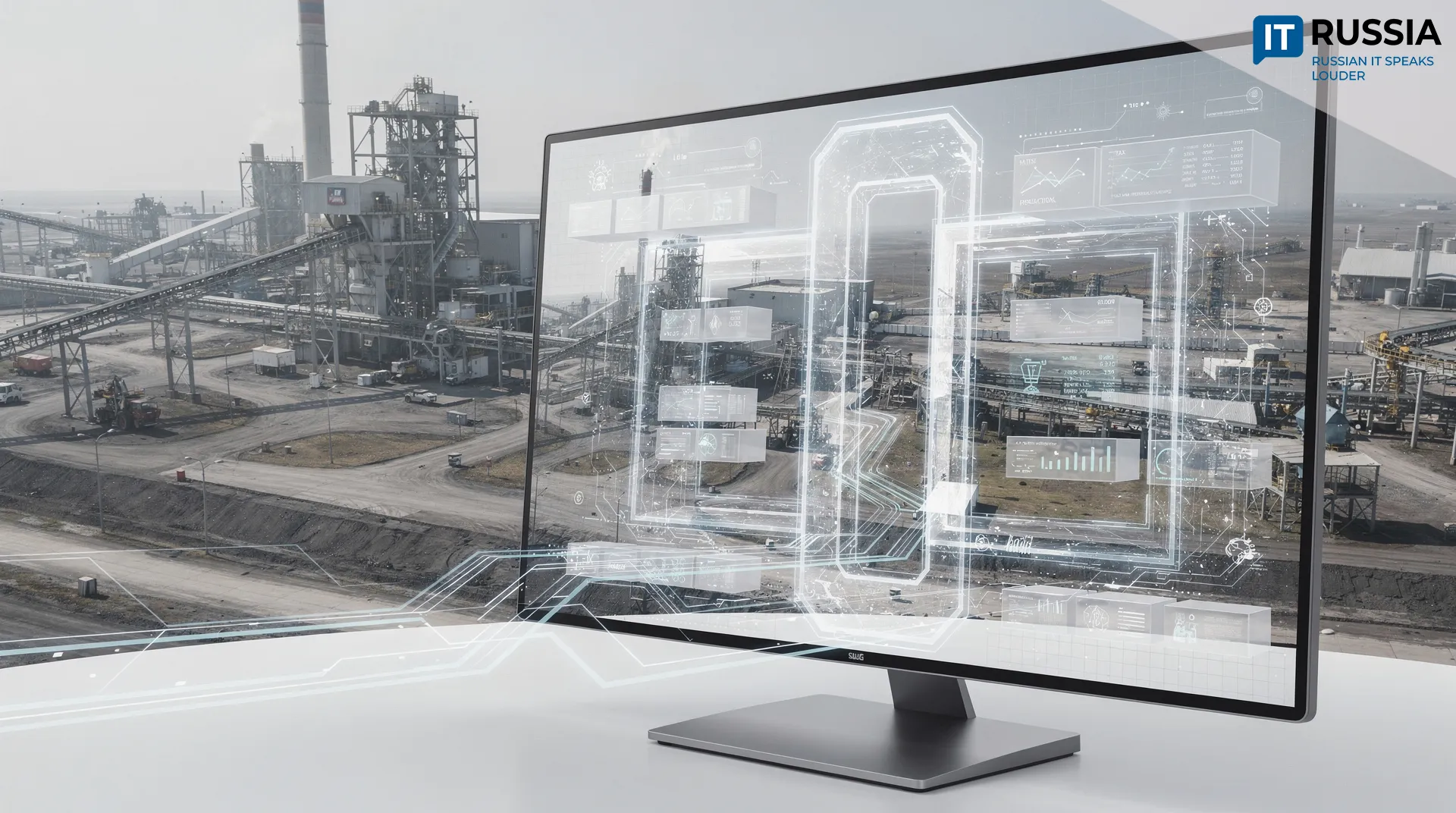
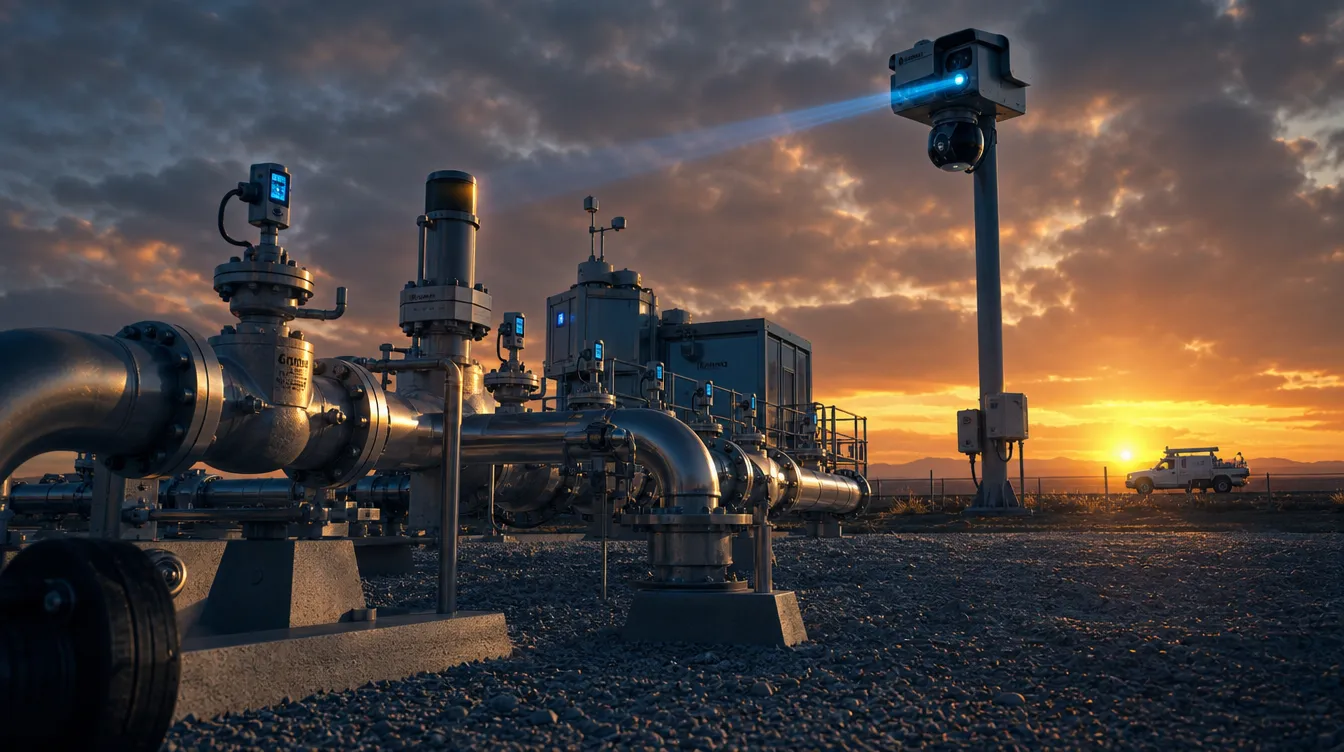
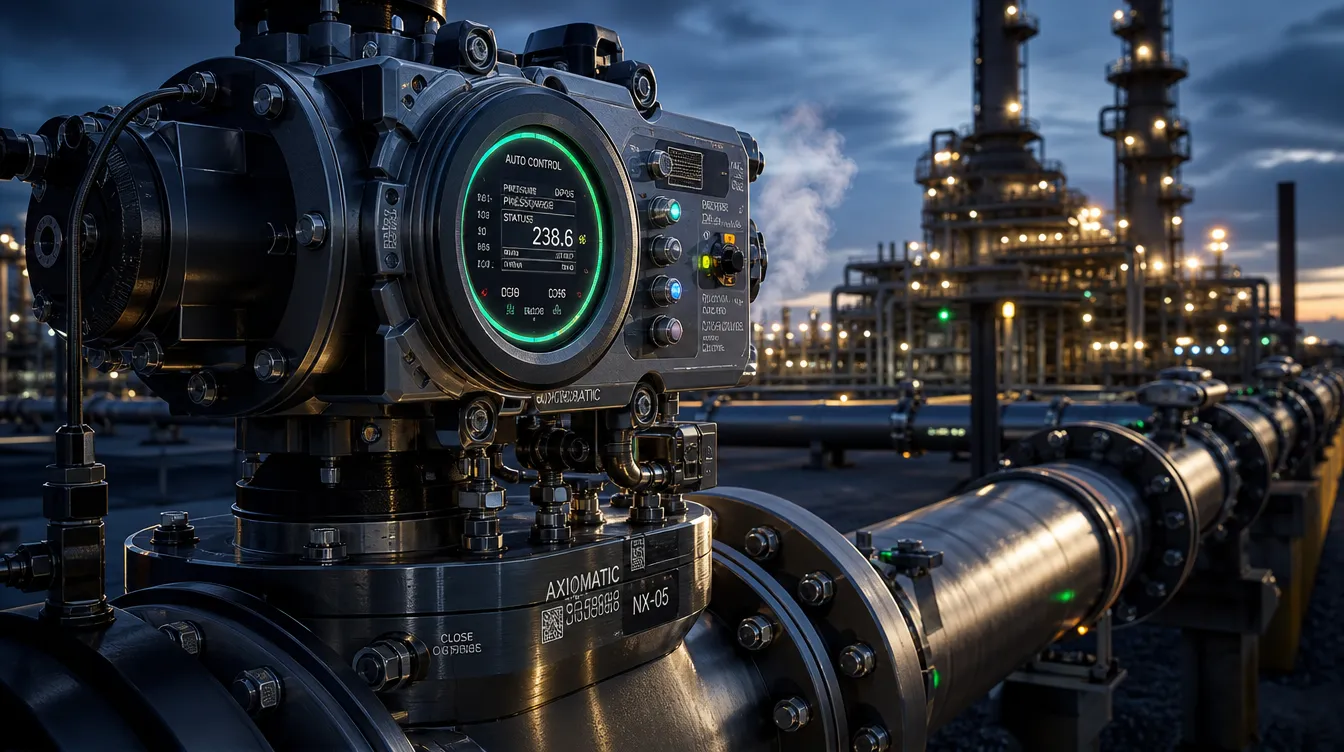
The CPSs now feature a range of additional innovations alongside automated valve operation. An intelligent control station serves as the system’s “brain.” The facilities are equipped with motor-operated valves and dozens of sensors that collect data on multiple parameters. Video-surveillance systems with video analytics do more than record footage – they are trained to analyze what the cameras capture. The company has also implemented a “black screen” function: monitors that normally remain dark automatically display an image to Unified Dispatch Service personnel when an abnormal situation is detected.
The software is authorized to make decisions when an abnormal situation occurs, such as stopping a pump, starting a backup unit or switching the flow to another line. A human operator can also intervene based on remote monitoring of the facility and data transmitted to the dispatch center in real time. With the system in place, repetitive routine work and rapid responses to typical deviations are now automated. Meanwhile, employees retain responsibility for professional oversight, analyzing complex nonstandard situations and making strategic decisions.
Part of a Larger Program
The automation of CPSs is part of Tatneft’s large-scale production digitalization program, which has been underway since 2014. The program covers data collection across all stages, processing with algorithms, including machine learning, and making optimized decisions. Once fully implemented, it is expected to improve production efficiency, reduce costs and minimize risks.
The company is creating digital twins of oil fields, production facilities and processes. It is also deploying its “Intelligent Field” system. Tatneft has chosen an integrated approach covering the entire cycle, from exploration through production and logistics. This includes integrated modeling and planning, as well as an integrated operations center where all data is brought together into a single operational picture. Production processes are also being automated and robotized. Robots are used for patrols and diagnostics, including the Tral Patrol 5 robot at the Bugulma Mechanical Plant.
Tatneft was the first company in Russia to deploy unmanned technologies not only across its CPS fleet but also at a preliminary oil treatment facility. In 2025, the company’s Prikamneft oil and gas production department commissioned the Saraily facility, which features automated process operations, emergency protection systems, access control, video surveillance and a range of auxiliary functions.
The project now underway at the cluster pumping stations is fully aligned with the broader drive to create autonomous and minimally staffed facilities across the fuel and energy sector. The strategic direction for the digital transformation of the fuel and energy sector through 2036, approved by the Russian government in February 2026, calls for broad use of domestic digital technologies, the Industrial Internet of Things, AI and data-driven production management.
Industrywide Automation
In 2023, Rosneft enterprises introduced automated monitoring of oil wells. The company’s corporate Mekhfond system processed data from more than 50,000 wells, automatically assessing equipment condition and energy efficiency. Following the deployment, the company reported a 20% reduction in equipment failures and a 19% increase in the interval between repairs.
That same year, Rosneft reported another milestone – the deployment of software for waterflood management. Its proprietary MUZA software module is designed to automatically optimize the volume and distribution of injected water at oil fields. The solution is closely related in function to the technology deployed at Tatneft’s CPSs because cluster pumping stations are an important part of systems used to maintain reservoir pressure.
If successfully scaled, technologies of this kind could become part of a Russian class of hardware and software systems for an autonomous fuel and energy sector and eventually gain export potential. The key challenge is for Tatneft to move from automating individual facilities toward comprehensive autonomy across oil production. The company itself identifies these tasks as priorities.