Muscle-Controlled: Russia Deploys New-Generation Bionic Hand Prosthesis
For the first time, a Russian company has installed a bionic hand controlled by muscle signals. The prosthesis supports up to 17 individual gestures and can withstand loads of up to 20 kg. For the patient, this means regaining movements that were previously unavailable in everyday life. For Russian medicine, it marks another step toward developing sophisticated robotic rehabilitation systems.
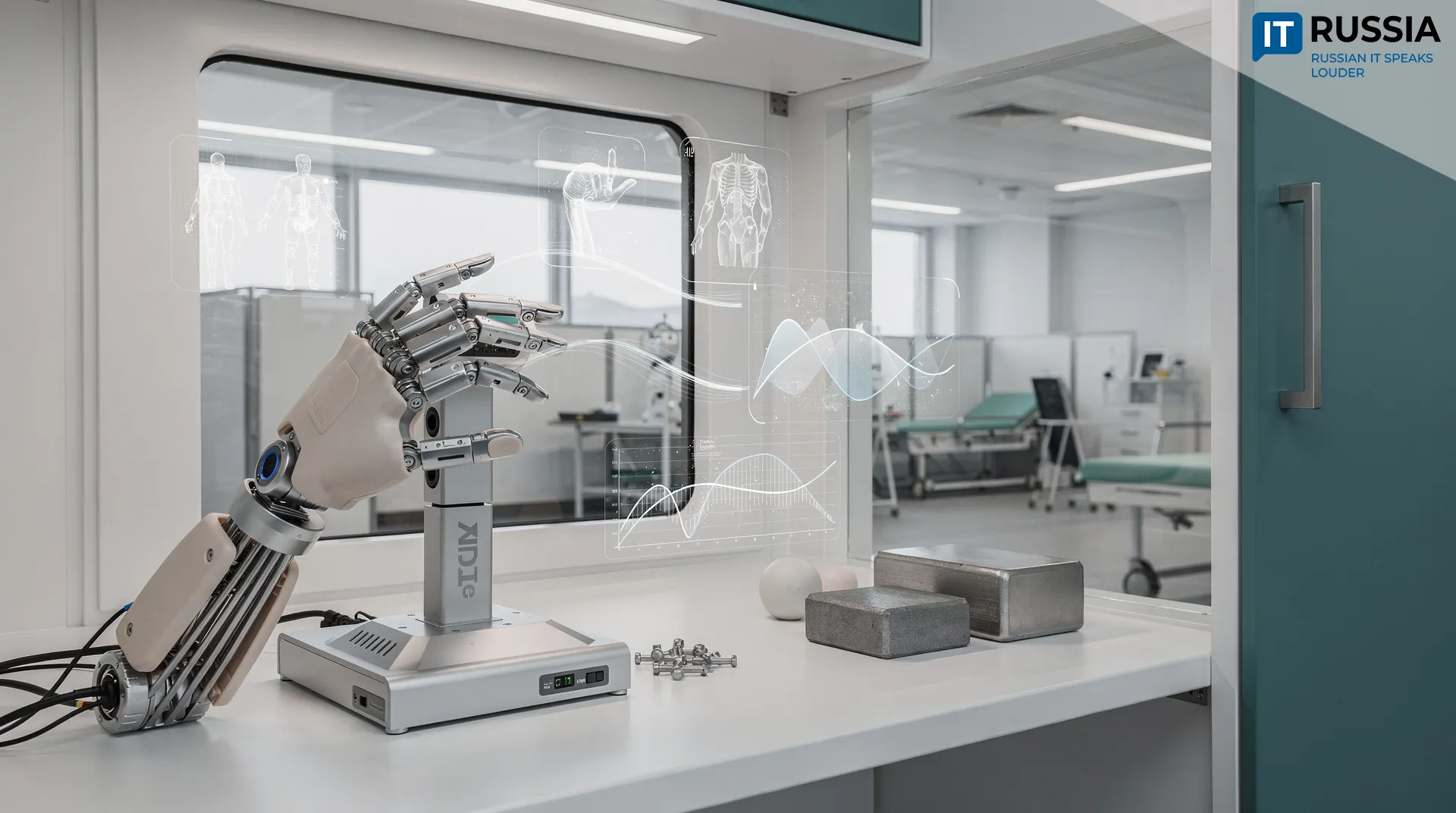
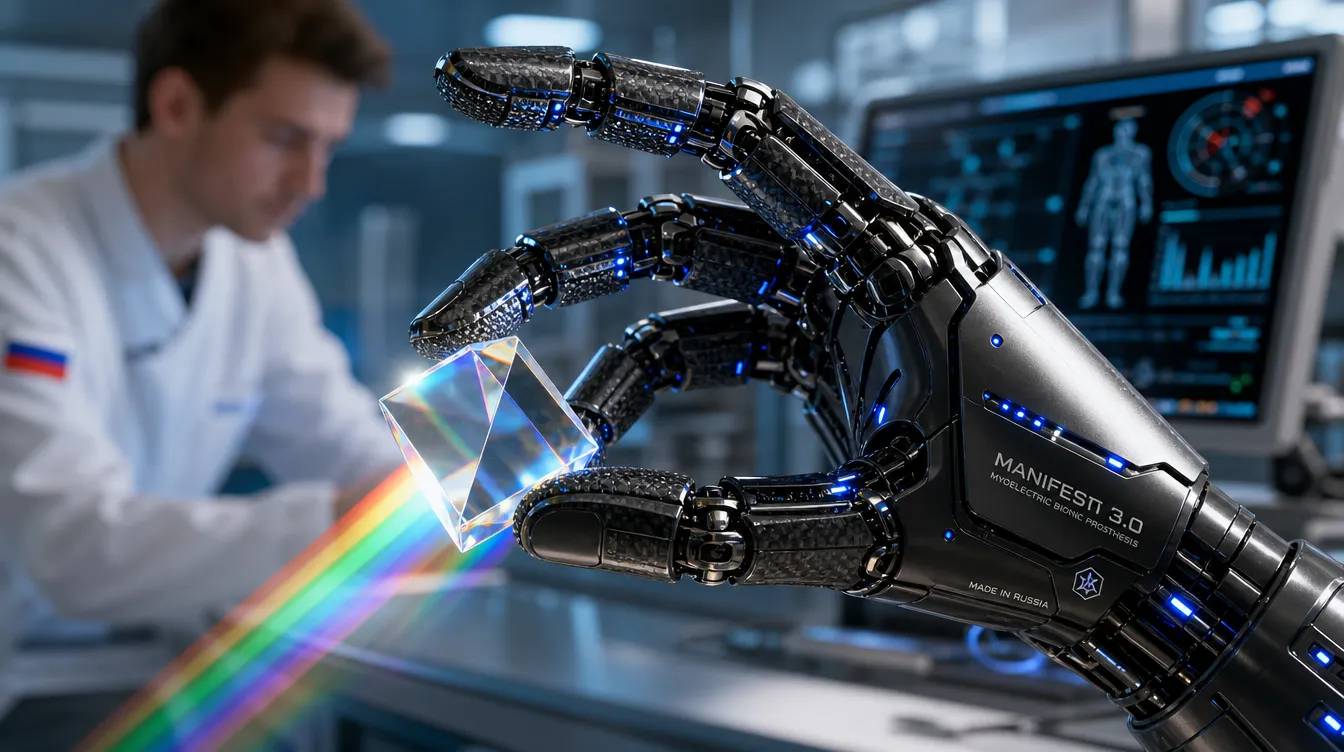
The MANIFESTO Hand 3.0, a new-generation bionic hand prosthesis, was developed by Russian company Motorika. The device was fitted to a 47-year-old man who has lived without a hand for more than 20 years following an accident. He says the prosthesis does not restrict his movements and feels like a real limb. Previously, he rarely used his old prosthesis because it was uncomfortable and offered limited functionality.
The new device is controlled by electromyographic sensors that read muscle signals. The prosthesis supports programmable gestures, adjustment of grip force and speed, and sensitivity settings through a mobile app. A built-in OLED display shows the battery level and selected gesture, and also allows users to change settings without connecting to a smartphone.
What Can the New Prosthesis Do?
The MANIFESTO Hand 3.0 is one of the fastest bionic hand prostheses in the world. Its grip speed reaches 300 millimeters per second. Each finger is rated for loads of up to 20 kilograms. An adaptive gripping mechanism and spring-loaded fingers allow the device to securely hold objects of different shapes, from a fragile glass to a heavy bag. The design reduces mechanical play and protects the fingers from damage under impact loads.
Notably, the prosthesis is dust- and moisture-resistant to the IP54 standard and is made from a lightweight, durable material. That means it can be used in everyday life, outdoors and even during sports activities. The battery provides up to five hours of active use.
How Is It Manufactured?
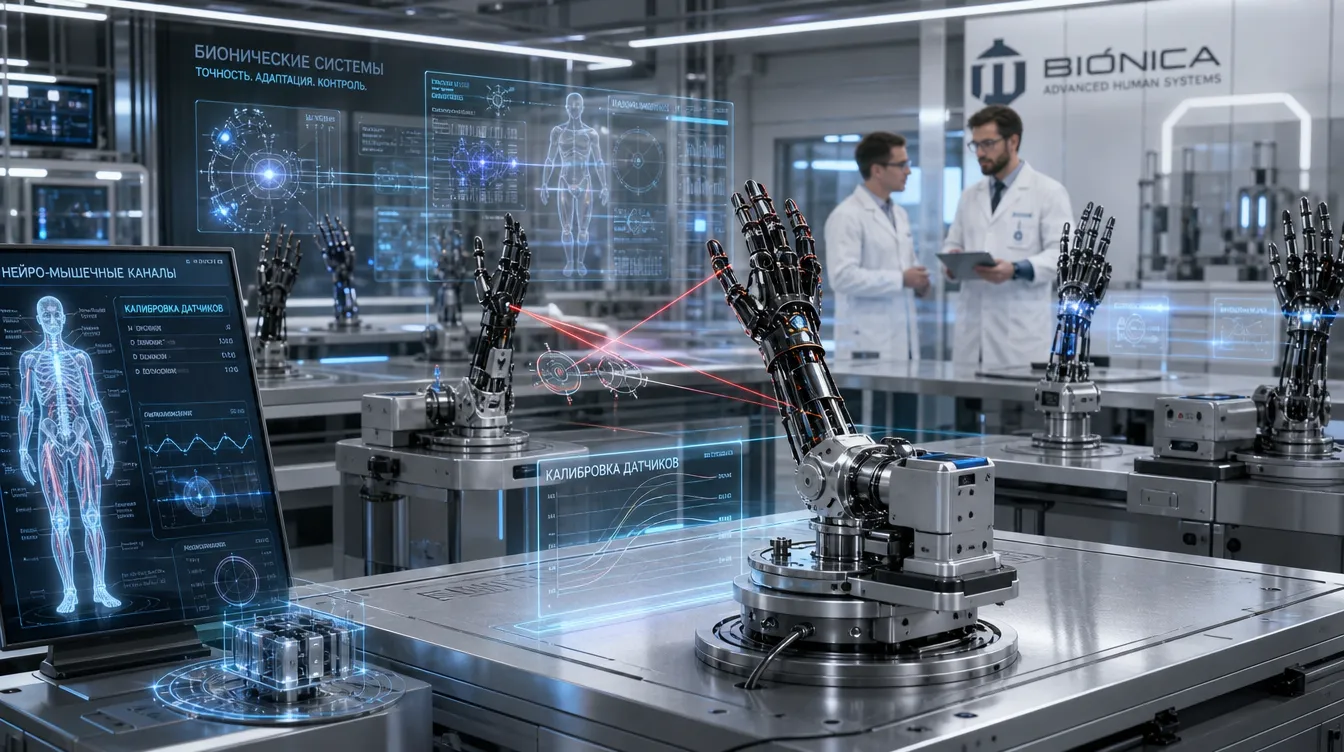
Production of the high-tech prostheses is located in Technopolis Moscow, one of Russia’s special economic zones. The facility covers more than 2,000 square meters. It is one of the country’s largest specialized manufacturers of upper-limb bionic prostheses. The facility has a stated production capacity of more than 10,000 devices per year. The site includes machining, industrial 3D printing and elastomer molding operations. It also has its own service center and design studio, allowing the company to handle the full design cycle in-house.
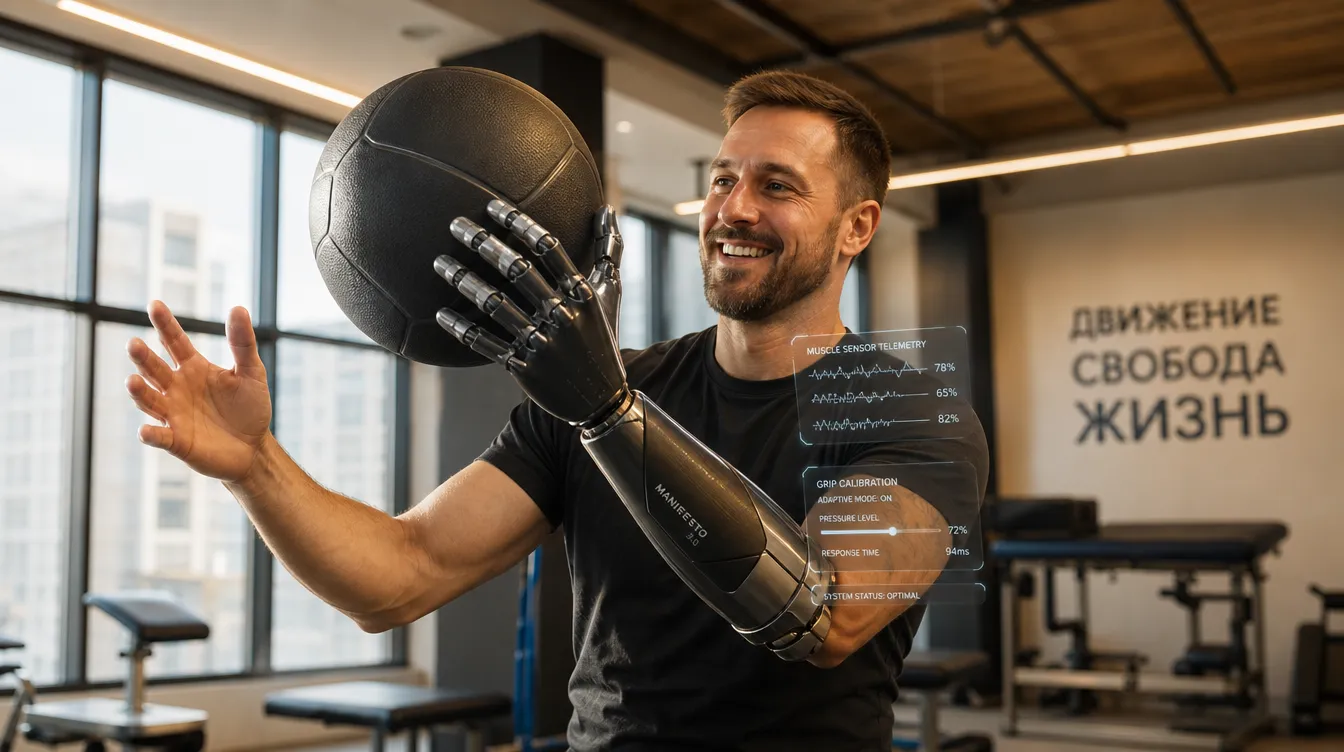
For a person who has lost a hand, a new-generation prosthesis is more than a way to compensate for a missing limb. It can provide a path back to an active life – playing sports, caring for themselves, working, holding their children and preparing food. These are everyday activities that may have been impossible before or required enormous effort. The patient who became the first user of the MANIFESTO Hand 3.0 confirmed that the prosthesis feels like an extension of his body, does not restrict his movements and allows him to do things he previously could only dream about.
A Digital Environment
Russia’s state system for providing technical rehabilitation equipment supplies prostheses and other devices to more than 1 million people every year. In 2024, spending through electronic certificates alone reached 44.5 billion rubles (about $513 million). The emergence of advanced domestically developed prostheses with high performance characteristics gives patients access to higher-quality devices rather than leaving them dependent on bulky, outdated models with limited functionality.
The next step is to develop a digital environment around these devices. Remote adjustment, online gesture updates and analysis of how a patient’s muscles are working can all make a prosthesis smarter. The more data the system has about a person, the more precisely the device can adapt to that person’s movements and habits.
Motorika is moving in this direction. In 2025, the company unveiled the Omni Hand, which uses not only electrical muscle signals but also optical sensors. This provides a more complete picture of how muscles and tendons are working, allowing the prosthesis to better understand what its user is trying to do.
Entering International Markets
Motorika already sells its products outside Russia, with markets including the Commonwealth of Independent States, India, Malaysia, Vietnam, Turkey and Egypt. In 2024, international sales accounted for about 5% of the company’s business. In India, for example, the company has been selling prostheses since 2021, and in January 2025 it opened its own office in New Delhi. The Indian operation is being developed as a hub for South Asia and for collaboration with universities on neuroprosthetics.
The company’s strategic goal is to sell its products in at least 10 countries by 2028 and establish several overseas manufacturing sites.