Russian Scientists Develop a Thermoelectric Generator That Works Around the Clock
Russian scientists working with researchers from China and Portugal have developed a thermoelectric generator that can operate both day and night. The device could provide autonomous power for low-power electronics and distributed sensor networks.
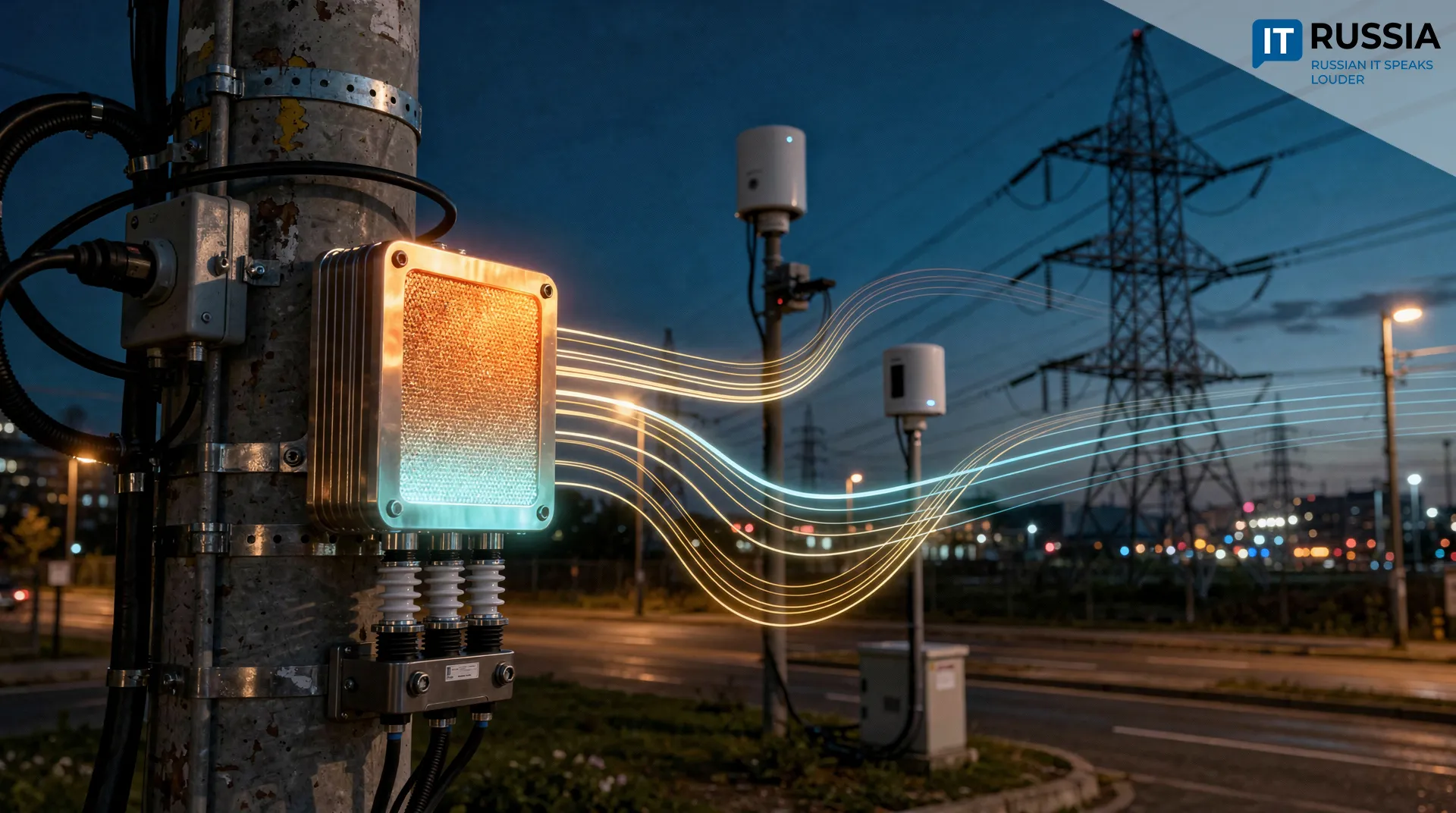
The thermoelectric generator developed by researchers at Far Eastern Federal University (FEFU), the Institute of Automation and Control Processes of the Far Eastern Branch of the Russian Academy of Sciences, and their Chinese and Portuguese colleagues addresses one of the key limitations of this type of device.
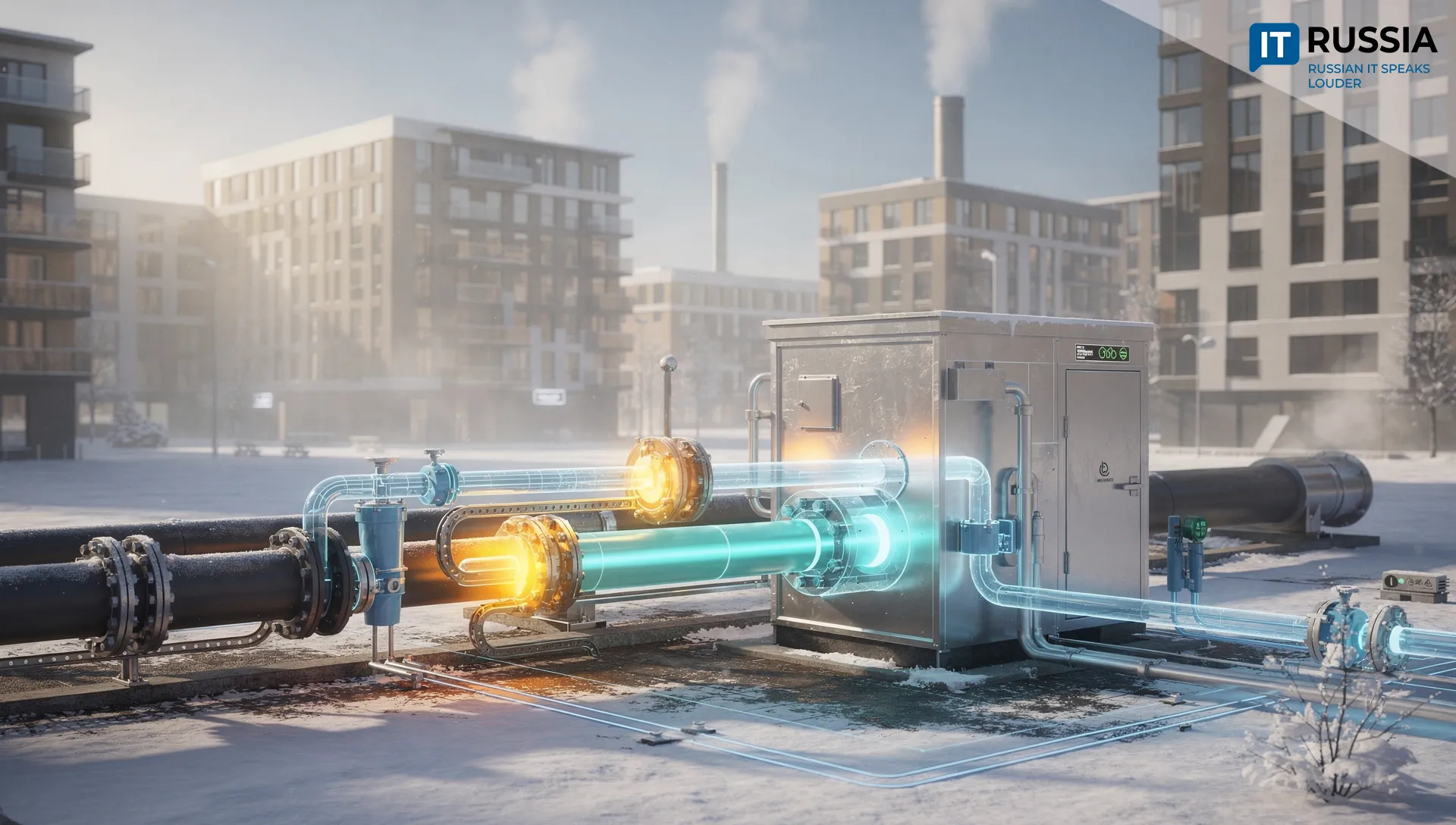
Thermoelectric generators use the Seebeck effect: A temperature difference between the two sides of the device generates an electric current. But to keep the device operating, that temperature gradient must be maintained continuously, which requires additional energy. In thermal power systems, for example, sensors powered by such generators exploit the temperature difference between the surrounding air and steam or heat pipelines. For devices operating outdoors, however, peak performance is typically possible only during the day, when one working surface is heated by the sun while the other remains in the shade.
The researchers tackled the problem in an unconventional way. The first working surface is made of silicon with a complex microstructure that absorbs up to 95% of sunlight and heats up significantly. The second, made of silicon dioxide, has the opposite properties – it absorbs little sunlight but efficiently dissipates heat into the surrounding environment. Experiments showed that the device performs best in summer and produces its lowest output in winter. Even so, electricity generation continues at night as one of the surfaces cools.
Power for IT Devices
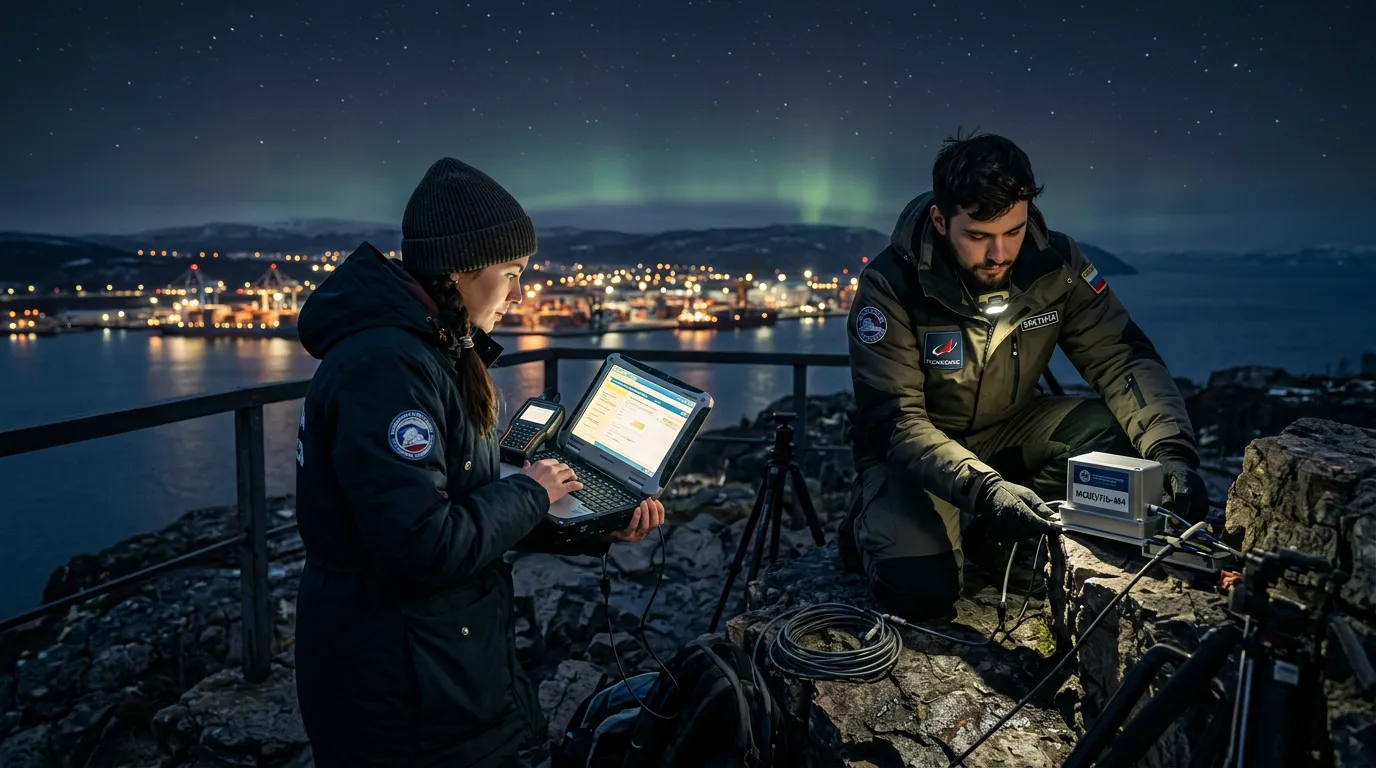
The researchers say the technology could support further development of a new generation of thermoelectric devices, particularly for powering autonomous sensors and small electronics in locations where energy cannot readily be supplied without additional cooling systems or external power.
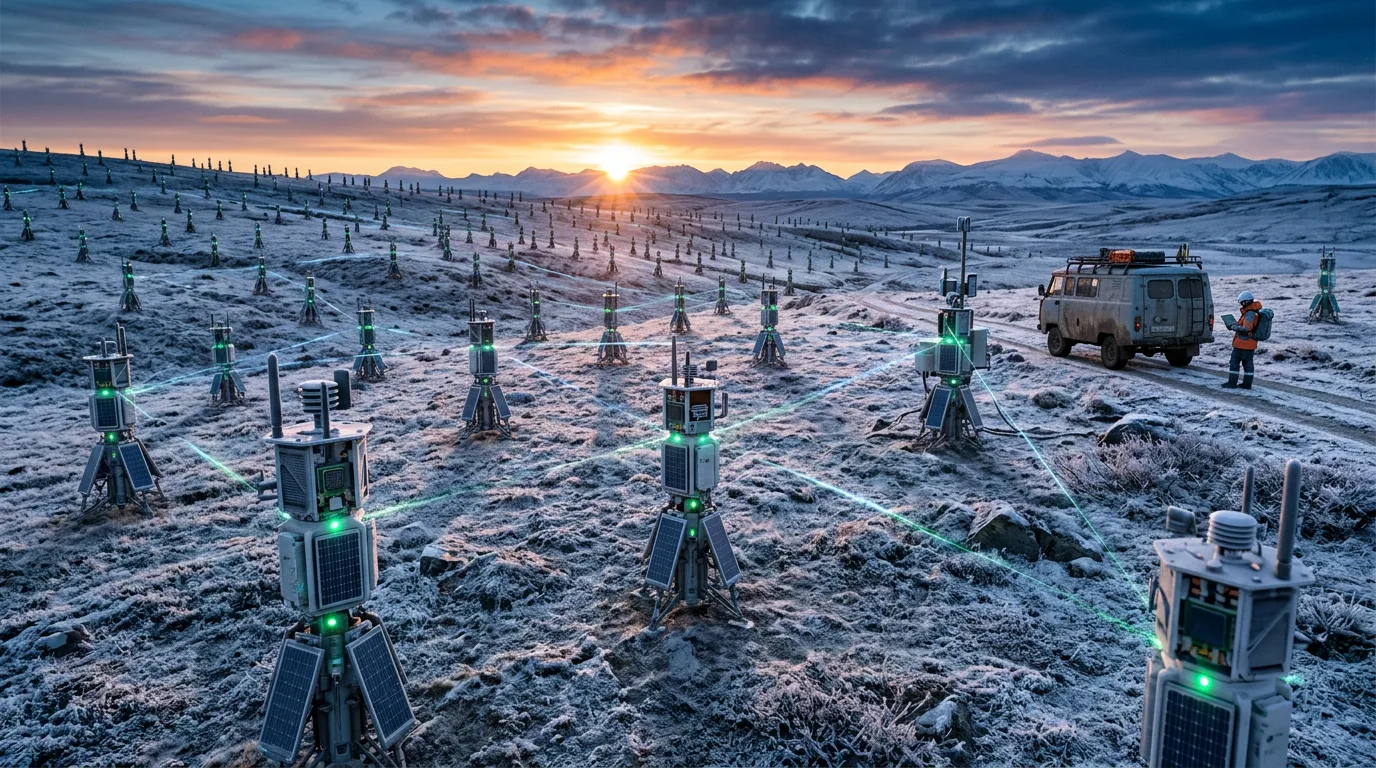
One of the most promising applications for these thermoelectric generators is powering distributed sensors and Internet of Things devices. These could include autonomous sensors in smart-city systems, environmental monitoring and utility infrastructure, as well as sensors installed at remote and hard-to-reach sites.
The technology, however, has yet to move beyond the laboratory. Researchers still need to test it under real-world conditions and determine the durability of the microstructured surfaces and their resistance to environmental exposure. If the devices prove reliable, the researchers could potentially attract substantial investment for commercial deployment.
Harvesting Energy From the Environment
The work by FEFU and the Far Eastern Branch of the Russian Academy of Sciences follows a broader global trend. Researchers are working to increase the efficiency of thermoelectric power sources while making them more effective and durable.
In 2023, Russian scientists at the National Research University of Electronic Technology (MIET) used screen-printing technology to produce a flexible thermoelectric generator. It can convert heat from the human body or virtually any type of machinery into electricity.
In June 2026, MIET and the National University of Science and Technology MISIS (NUST MISIS) began a project to develop a new generation of thermoelectric generators. From the outset, the project has been geared toward bringing the institutes’ technologies into industrial use.
From the Lab to IoT Networks
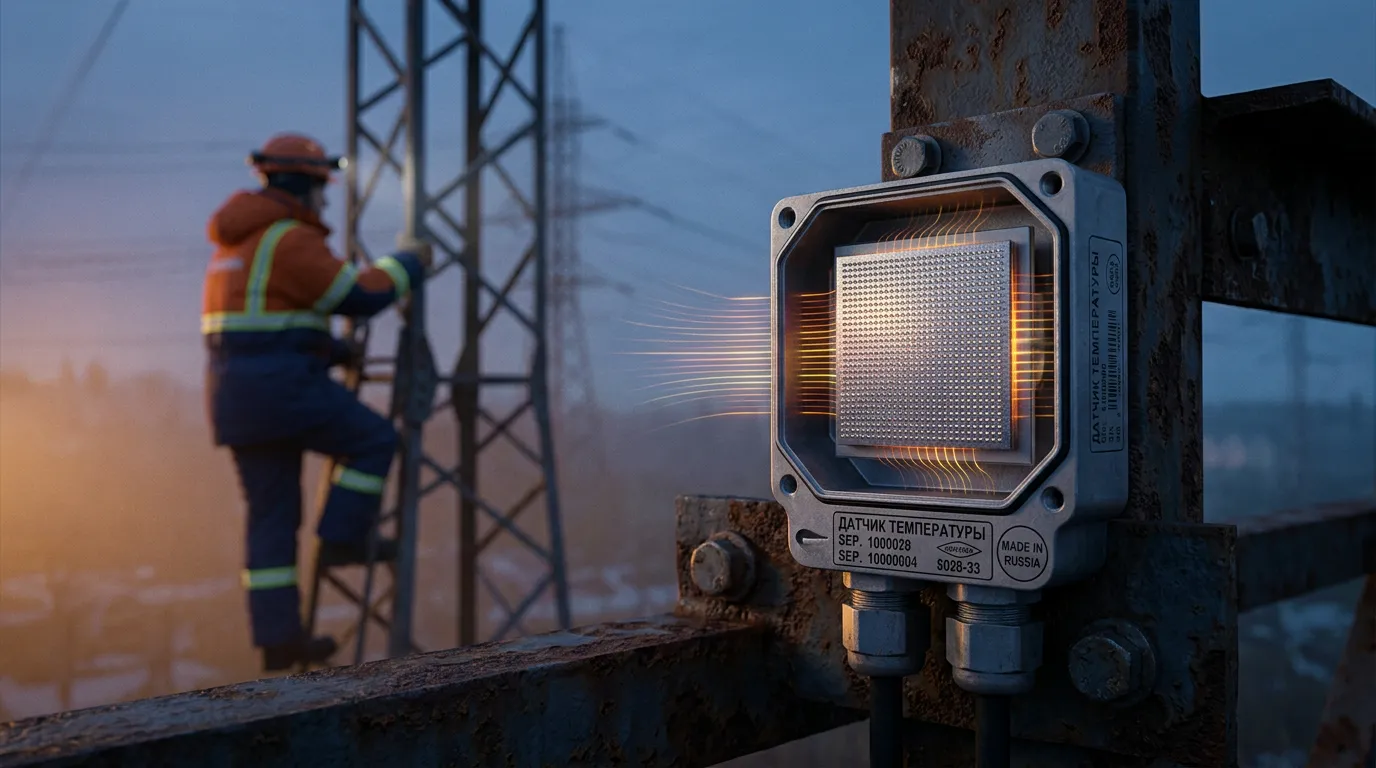
One of the main results of the FEFU and Far Eastern Branch research is not the thermoelectric generator’s power output or conversion efficiency. Rather, it is a clear demonstration that natural processes can maintain the conditions needed for the generator to operate at any time of day, without additional heating or cooling.
For the IT industry, that could make it possible to develop new sensors that do not require regular battery replacement or a combined solar-panel-and-battery system. At the same time, Russia is demonstrating its ability to develop new technologies with potential for growth both domestically and internationally, including through joint manufacturing ventures with foreign partners.