Russia’s New VVER-TOI Unit at Kursk NPP Meets Annual Generation Target Ahead of Schedule
Unit 7 of the Kursk nuclear power plant has supplied more than 4.46 billion kWh of electricity to Russia’s unified power system, meeting its annual target four months ahead of schedule. It is Russia’s first unit equipped with a Generation III+ VVER-TOI reactor and the most powerful unit in Rosatom’s entire nuclear fleet.
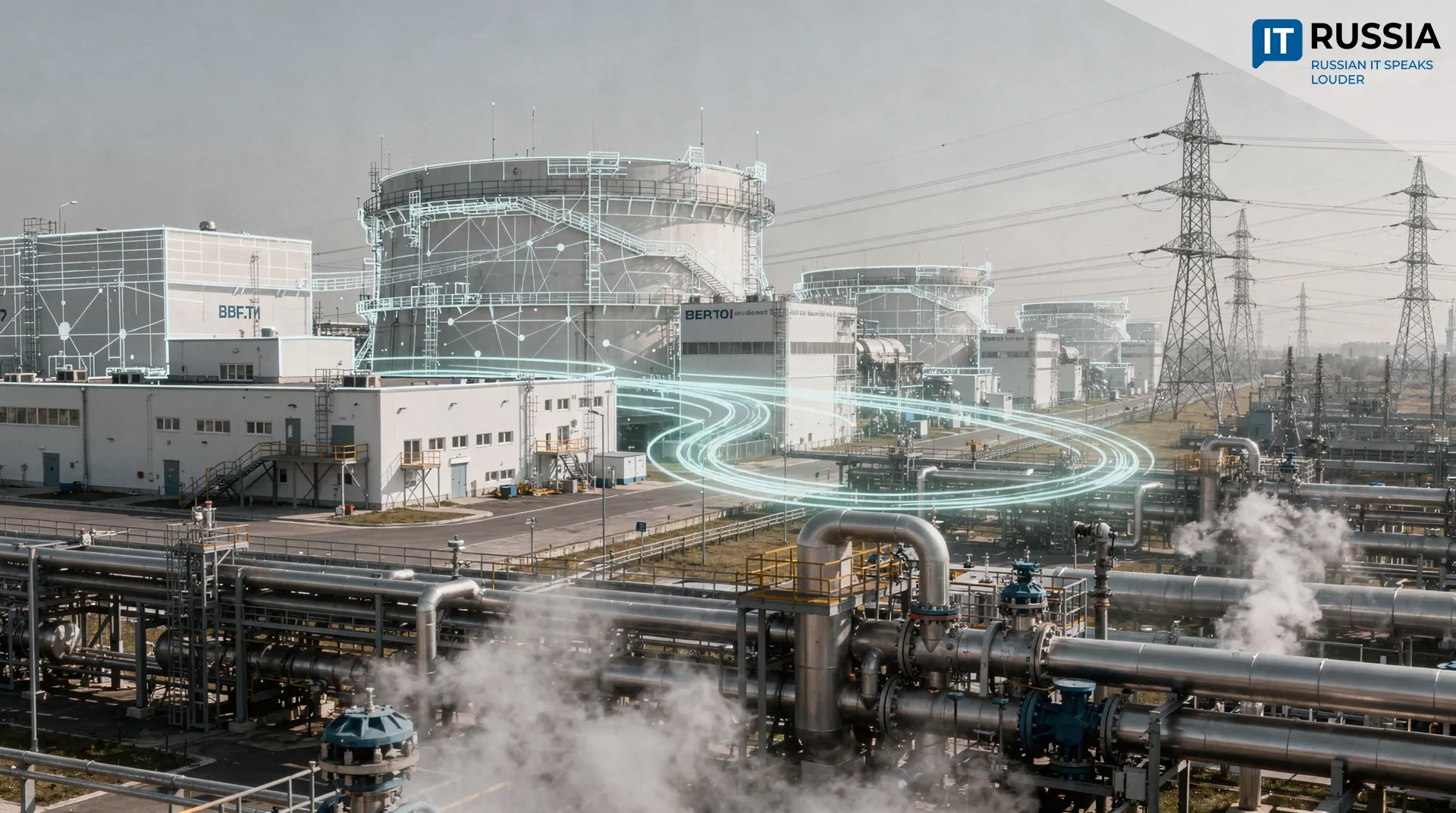
The new unit was first connected to the grid on 31 December 2025, and at the end of April 2026, Russia’s nuclear regulator Rostechnadzor issued a statement confirming that the facility complied with its design documentation. On 1 May, the unit entered operational status and officially began supplying electricity to consumers through the country’s Unified Energy System.
During its first four months of operation, the unit generated 4.46 billion kWh, while annual generation from the VVER-TOI unit is expected to reach about 10 billion kWh. That would be enough electricity to supply the residents of Kursk for two years. The operating capacity of the Kursk nuclear power plant has increased by more than 60%, while its share of the installed capacity of the Unified Energy System of Central Russia has risen by about 2.5%. Revenue totals RUB11 billion (about USD129 million) per month, while commissioning the unit is expected to generate more than RUB10 billion (about USD117 million) a year in additional tax payments to Russia’s public budgets.
Digital Foundations of the Project
VVER-TOI stands for Vodo-Vodyanoy Energetichesky Reaktor Tipovoy Optimizirovannyy Informatizirovannyy (Water-Water Energetic Reactor, Standardized, Optimized and Digitalized). The final word in the name reflects a defining feature of the design – extensive digitalization throughout every stage of its lifecycle.
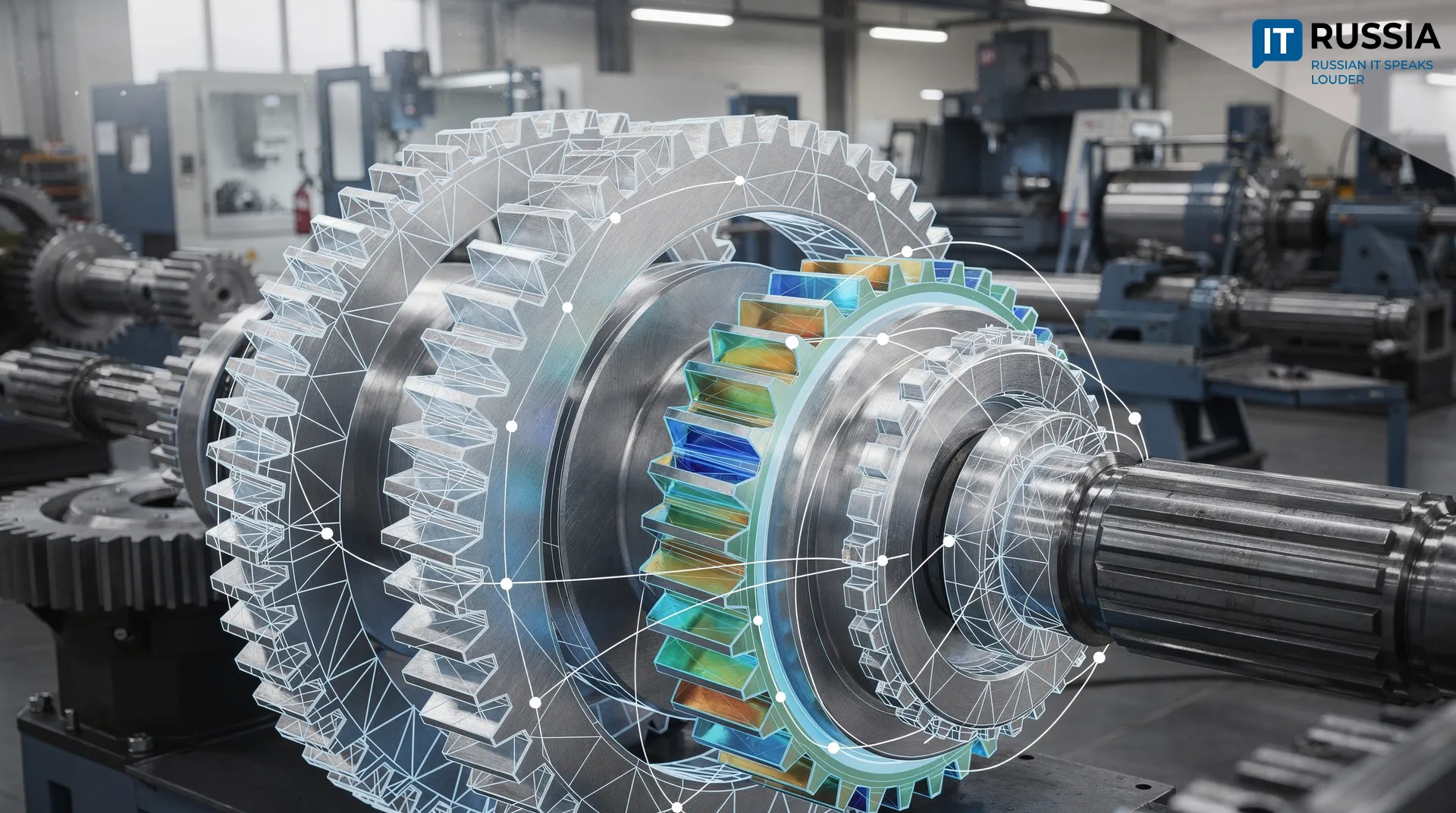
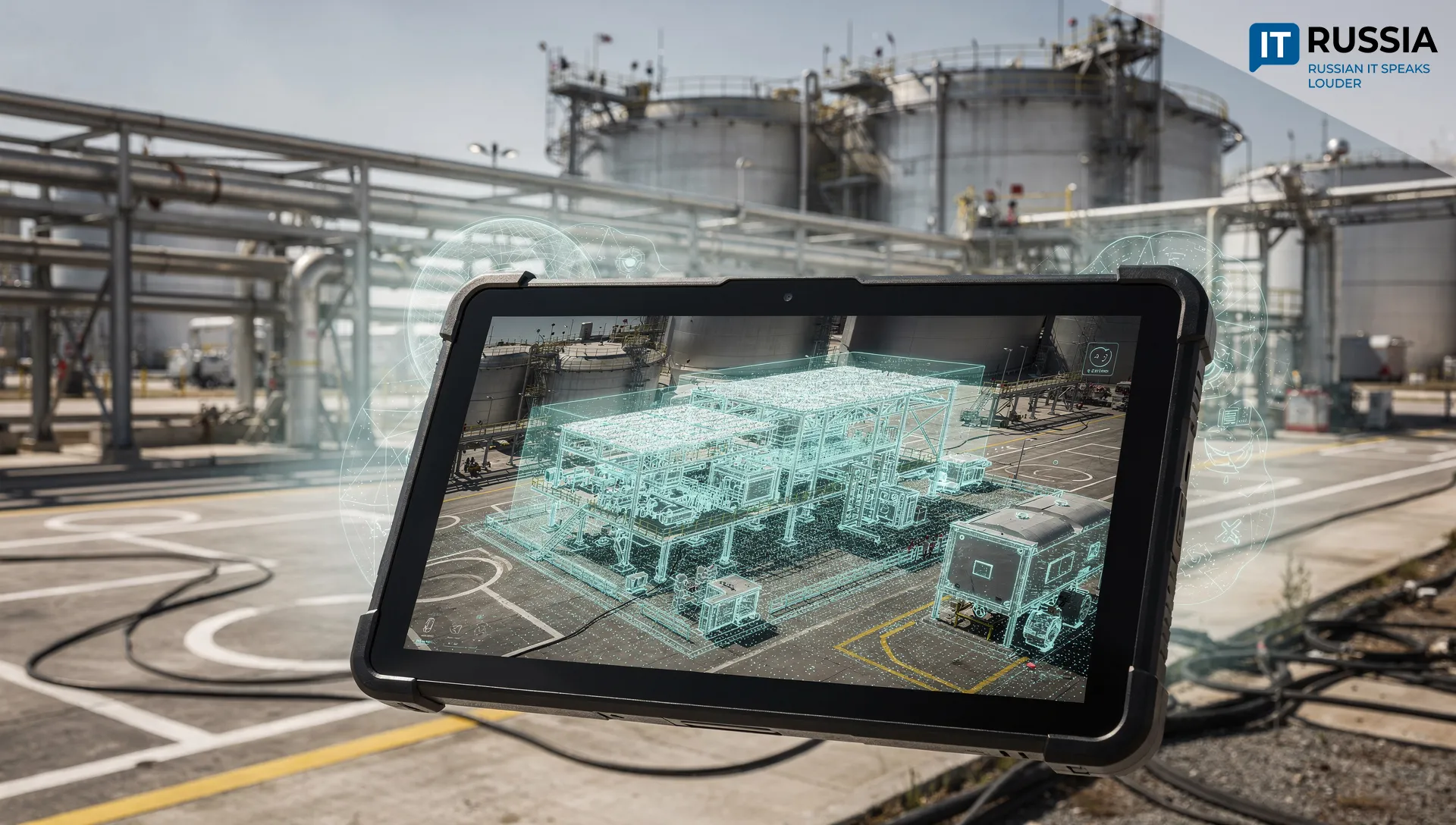
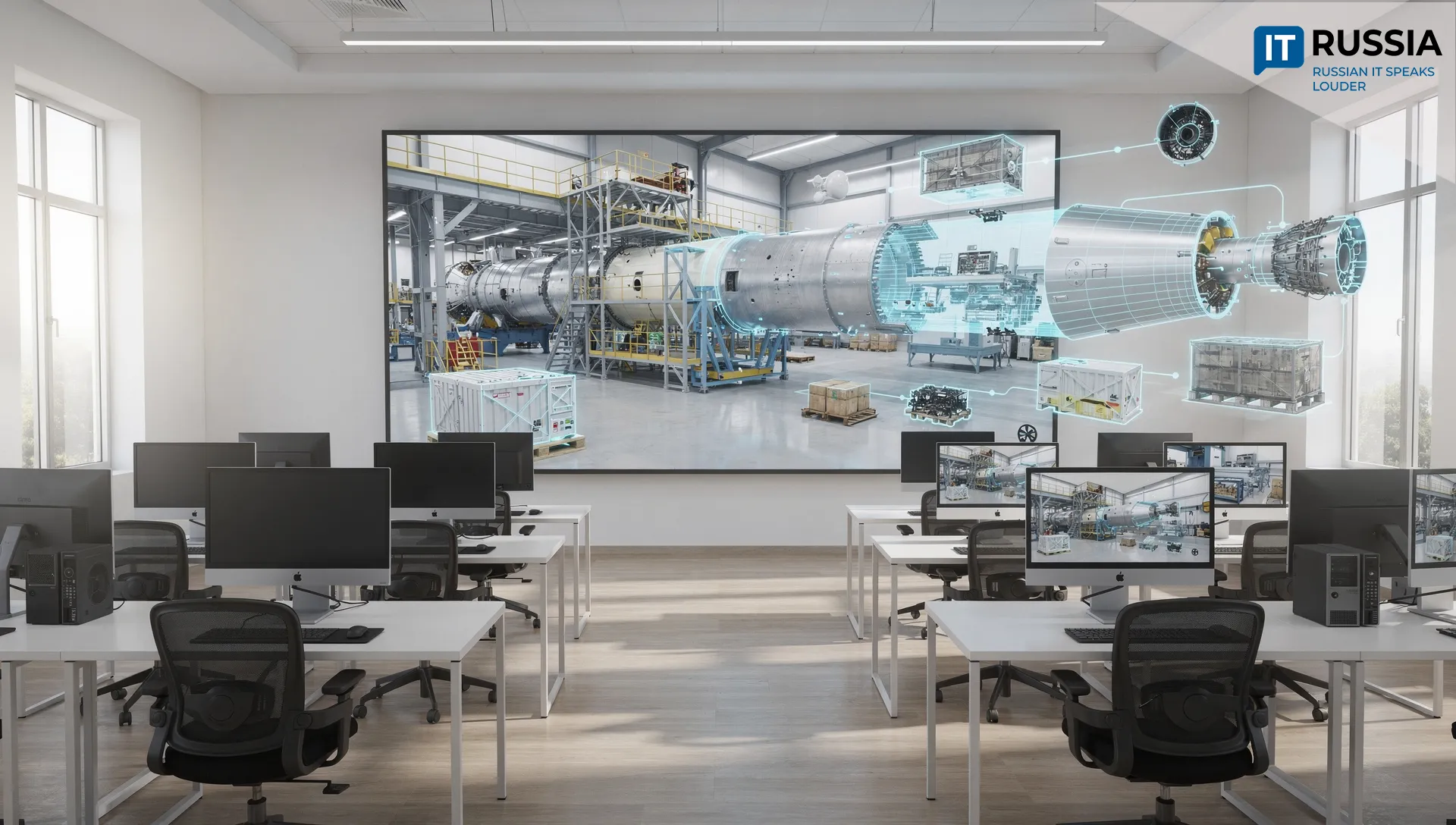
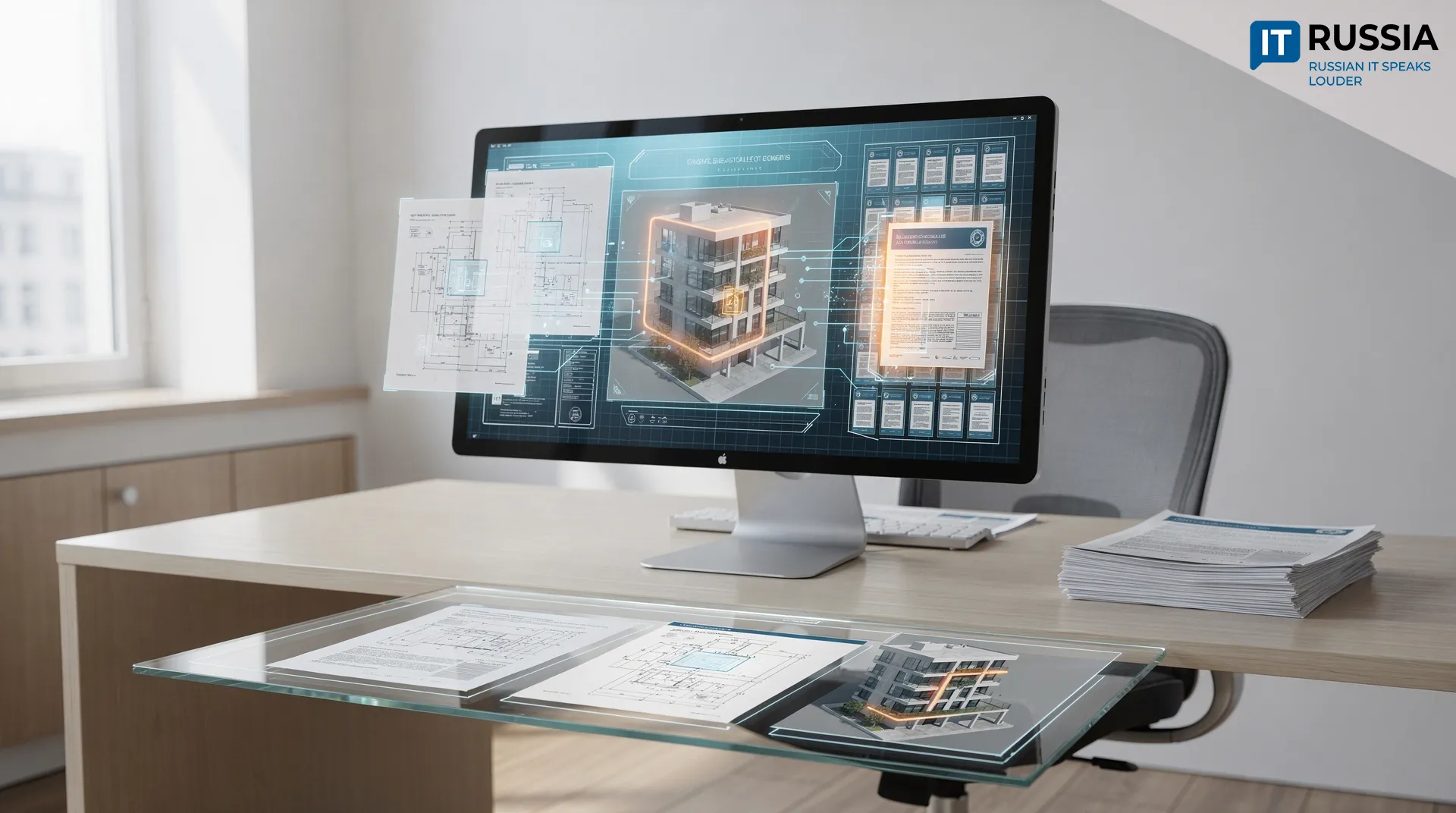
3D modeling was used extensively in designing the unit. All drawings and engineering designs were created within a common information environment, allowing designers and construction teams to work with up-to-date versions of the models in real time.
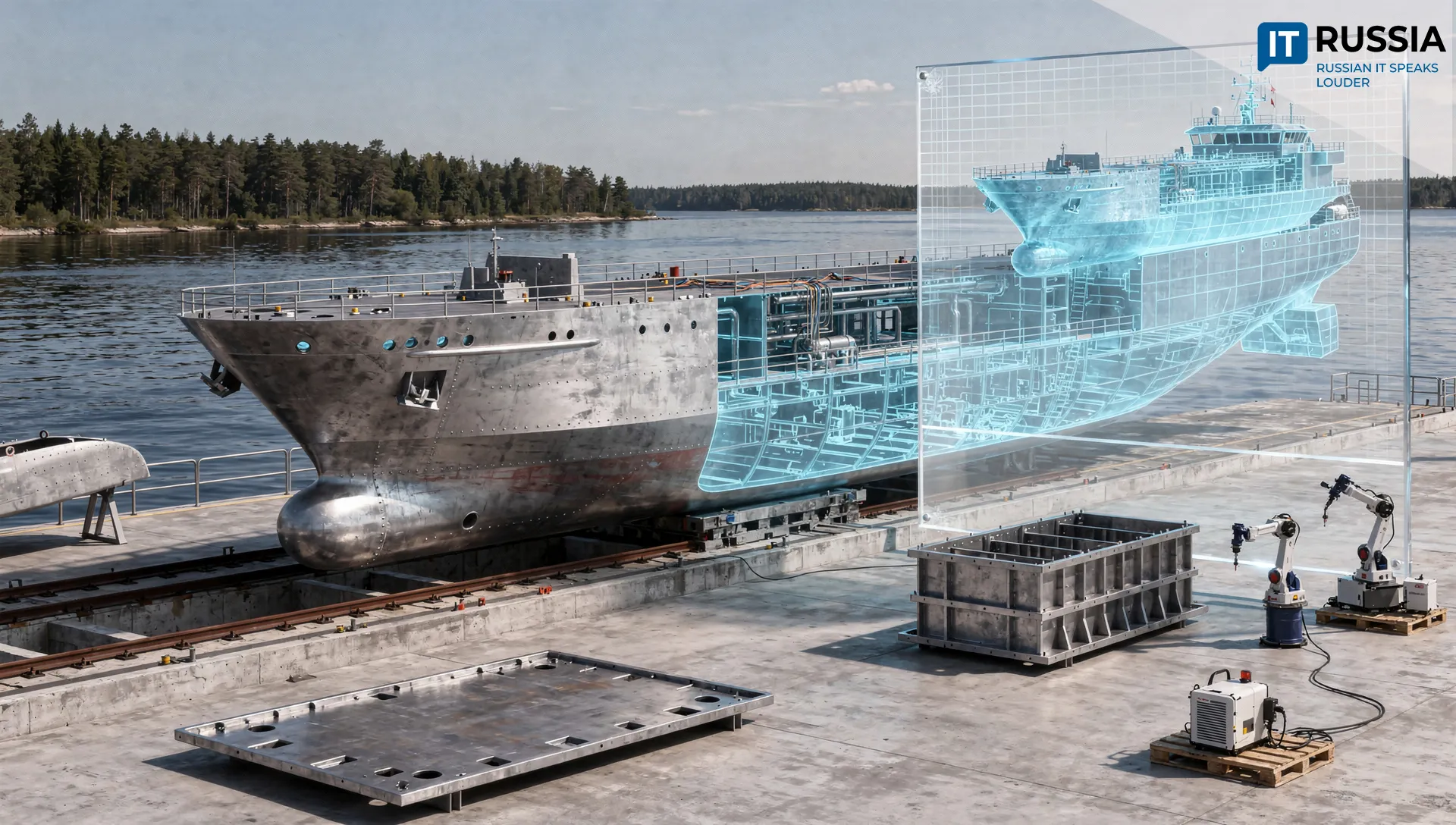
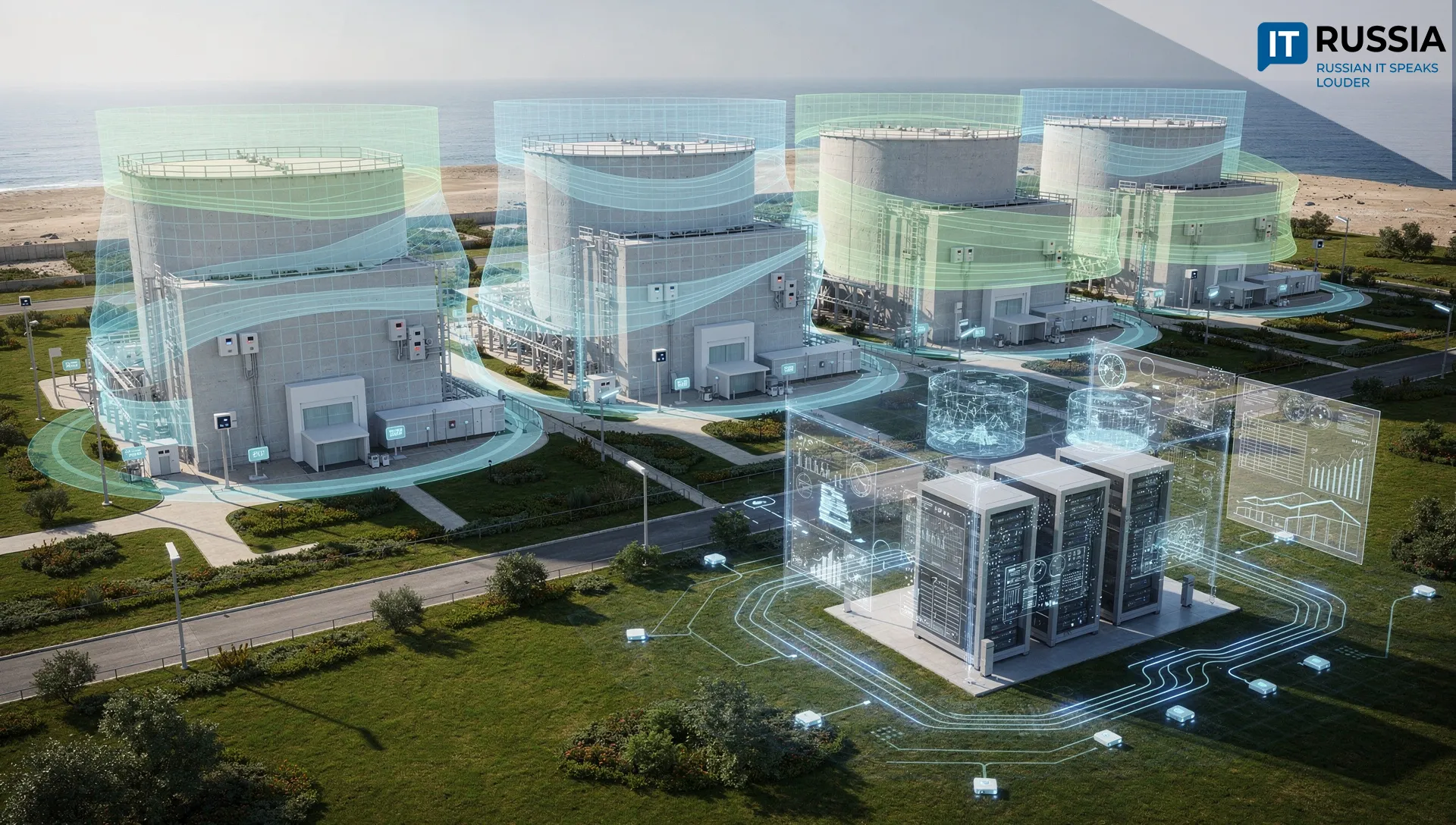
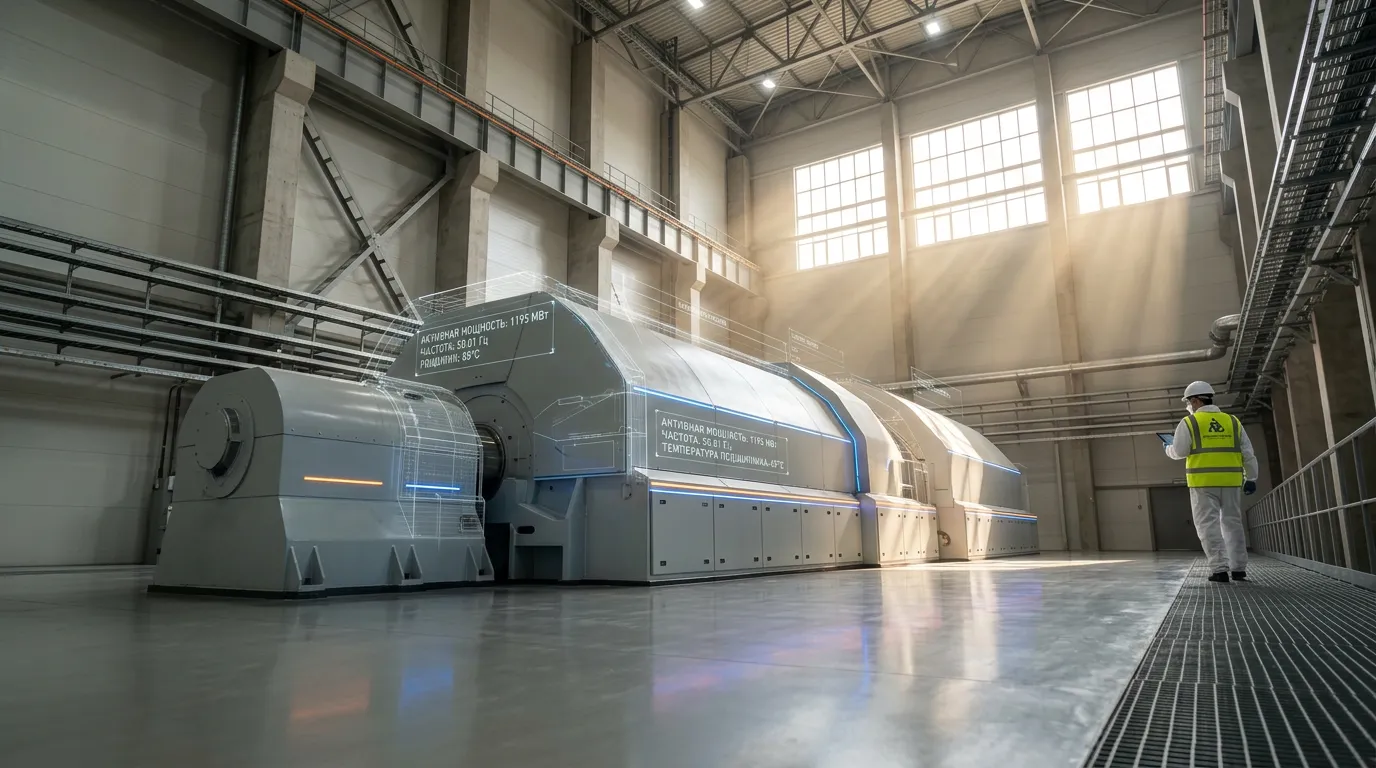
Digital twins were created for the unit’s key systems. A digital twin accompanies the facility from design through operation, and the models were used to test equipment behavior under both normal and abnormal operating conditions. This allowed engineers to optimize control algorithms and shorten commissioning timelines.
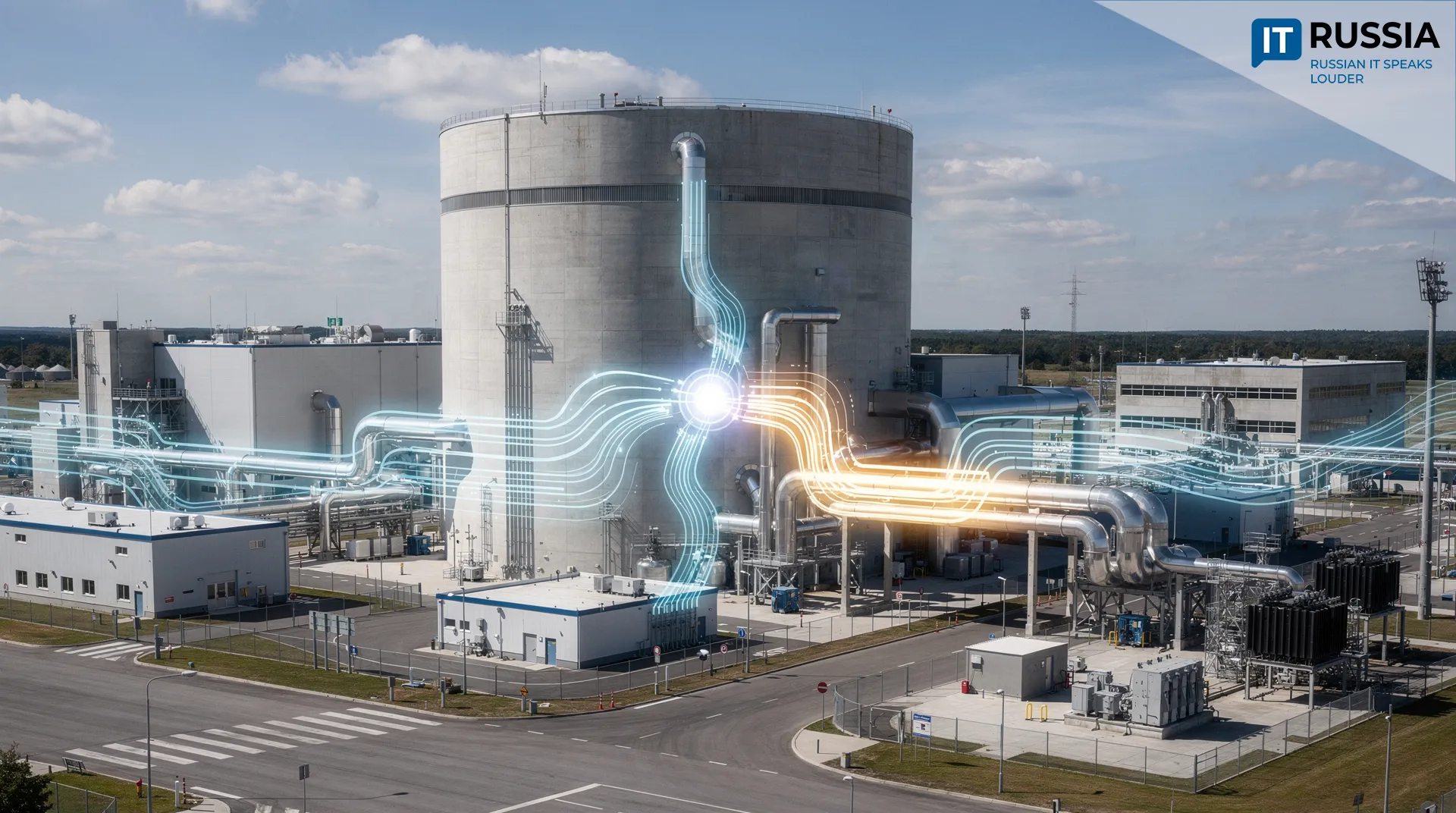
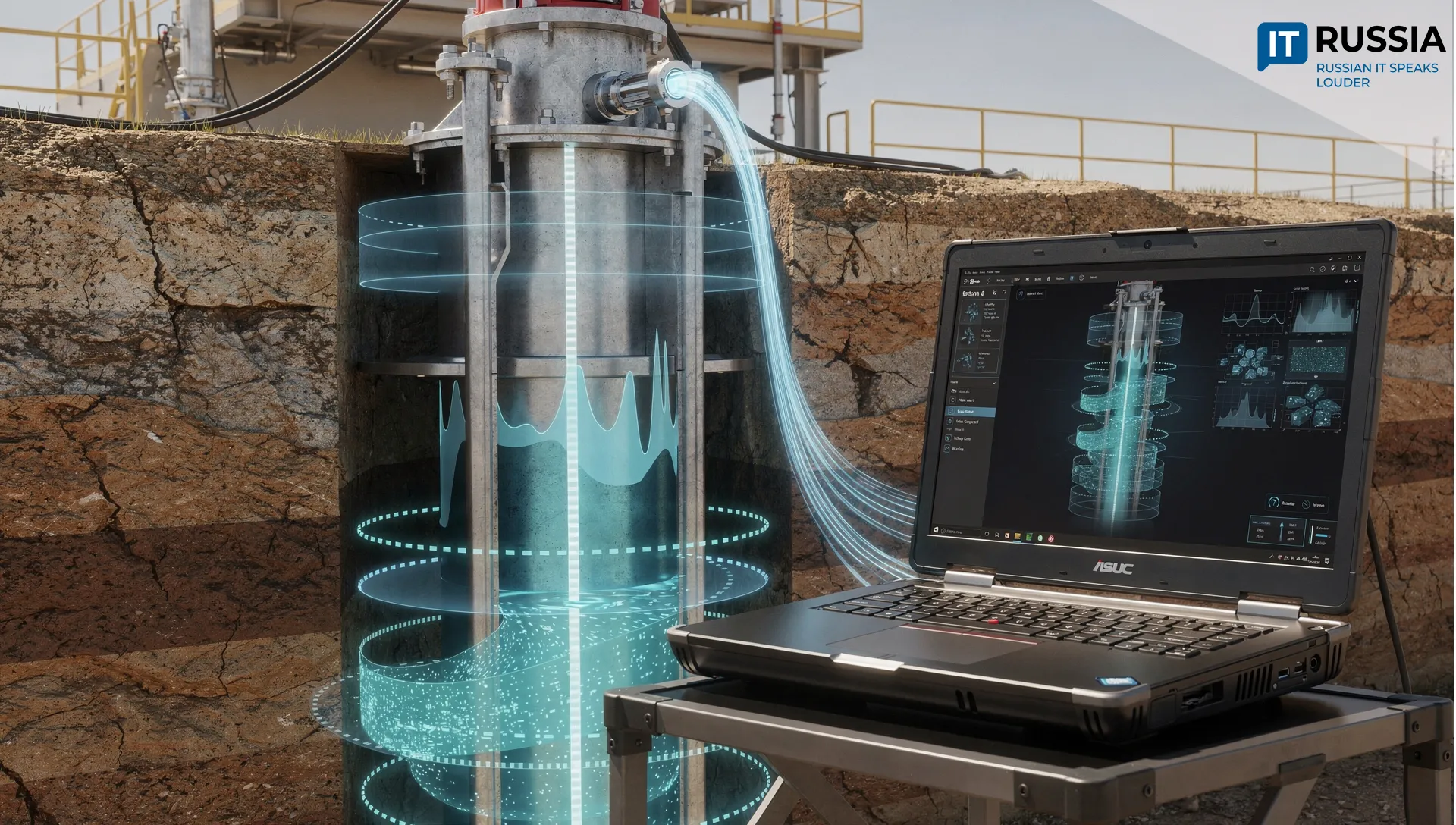
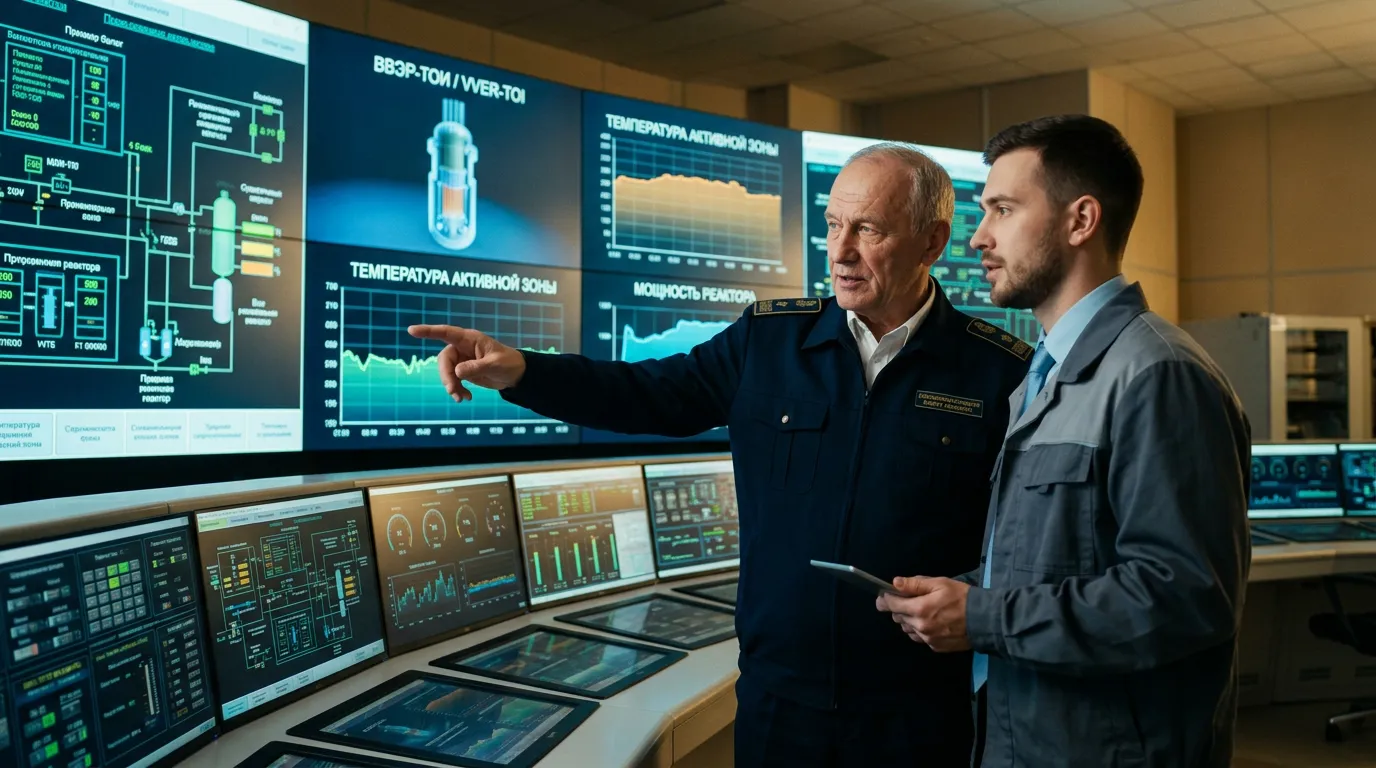
The unit’s automated process control systems represent a new generation of instrumentation and control technology. They collect telemetry from thousands of sensors and monitor reactor plant parameters. Operators in the main control room receive real-time information on the unit’s condition.
The common information environment brought together data from designers, equipment suppliers and construction teams. This made it possible to synchronize work schedules and track the manufacture of components by contractors. More than 90,000 people and about 250 contractors and subcontractors were involved in the project.
Reactor Design Features
The VVER-TOI is a technical evolution of Russia’s VVER-1200 reactor design. The unit has a capacity of 1253 MW, 25% higher than the VVER-1200, while the service life of its main equipment has been doubled. The reactor pressure vessel is made from nickel-free steel, a material that retains its properties under prolonged exposure to radiation and high temperatures. Its use has contributed to extending the reactor’s service life.
The design incorporates a lovushka rasplava (core catcher), a device designed to localize molten core material. This Russian technology provides a means of managing safety even in the hypothetical event of reactor vessel failure. The unit combines passive and active safety systems designed to protect the reactor core from damage for at least 72 hours under any accident scenario. The project complies with current International Atomic Energy Agency requirements, which Russian nuclear specialists also take into account when building nuclear power plants abroad.
Project Scale and Next Steps
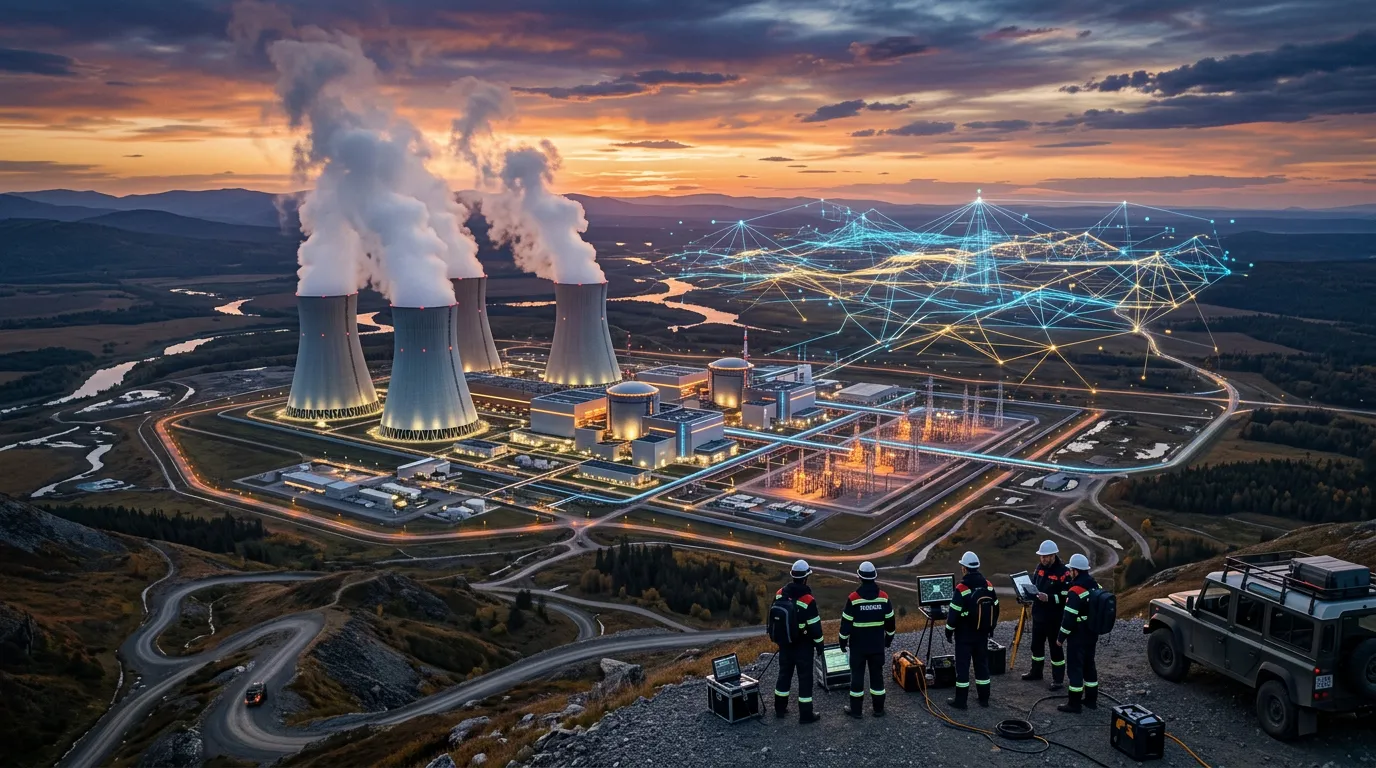
Kursk II is the only nuclear power plant in Russia currently using the VVER-TOI reactor design. Units 2 and 3 with the same reactor design are now under construction at the site. Four new units with a combined capacity of 5000 MW are ultimately planned there.
Construction of the Kursk II units is included in Russia’s General Scheme for the Siting of Electric Power Facilities through 2042, while construction of the first two units is part of the Novye atomnye i energeticheskie tekhnologii (New Nuclear and Energy Technologies) national project. The new capacity is therefore being brought online in stages to replace the Kursk plant’s RBMK-1000 reactor capacity.
Meeting the annual generation target ahead of schedule demonstrates the high efficiency of the new series of nuclear power units. Experience gained from designing and operating the first VVER-TOI will be replicated at subsequent Kursk II units.