Rosatom Launches Innovative Radiopharmaceutical Plant in Kaluga Region
State Atomic Energy Corporation Rosatom has placed two production lines at a new radiopharmaceutical manufacturing plant into pilot industrial operation.
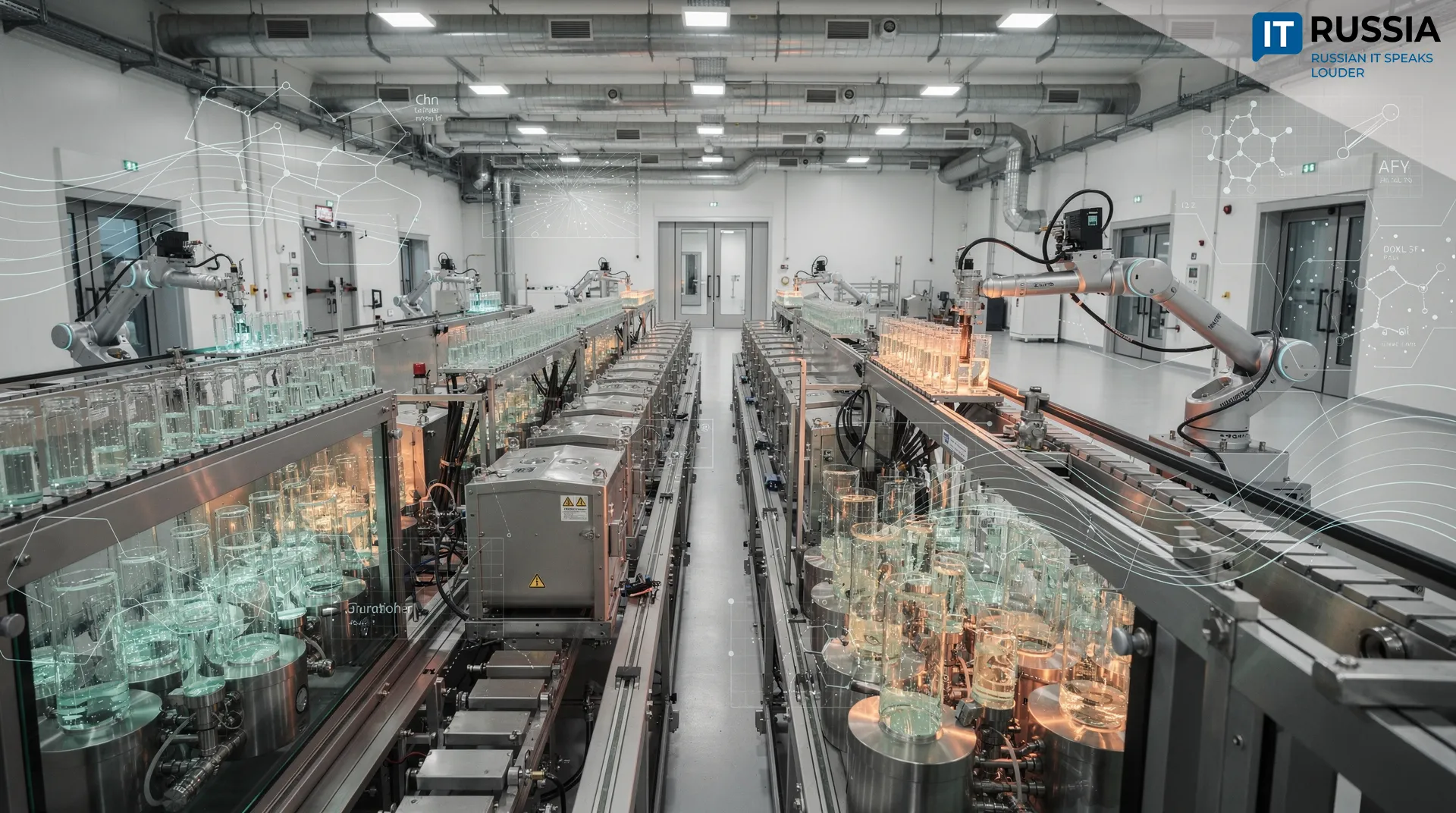
The facility is located in the Kaluga Region and operates to high Eurasian Economic Union standards for good manufacturing practice.
Targeted Therapy Drugs
The plant specializes in producing medicines based on medical radionuclides. The first line manufactures radium-223-based radiopharmaceuticals. This isotope is used to treat cancers that have metastasized to the bones, as radium-223 destroys metastases and relieves pain.
The second line is dedicated to medicines containing actinium-225. This radionuclide is an alpha emitter with distinctive nuclear and physical properties. Actinium-225 is attached to a specialized molecule that delivers the isotope directly to a cancer cell. The resulting alpha particles damage the DNA of tumor cells and cause them to die. The method is highly precise and can destroy pathological lesions as small as micrometastases.
Previously, Rosatom enterprises produced more than 10 registered medicines based on iodine-123, iodine-131, technetium-99m and samarium-153, isotopes used for diagnosis and therapy. The new plant’s production program was developed jointly with the Ministry of Health and takes into account medical organizations’ projected needs through 2030. By then, Russia’s healthcare system is expected to require about 1.5 million radioisotope-based procedures a year.

Automated Synthesis Modules
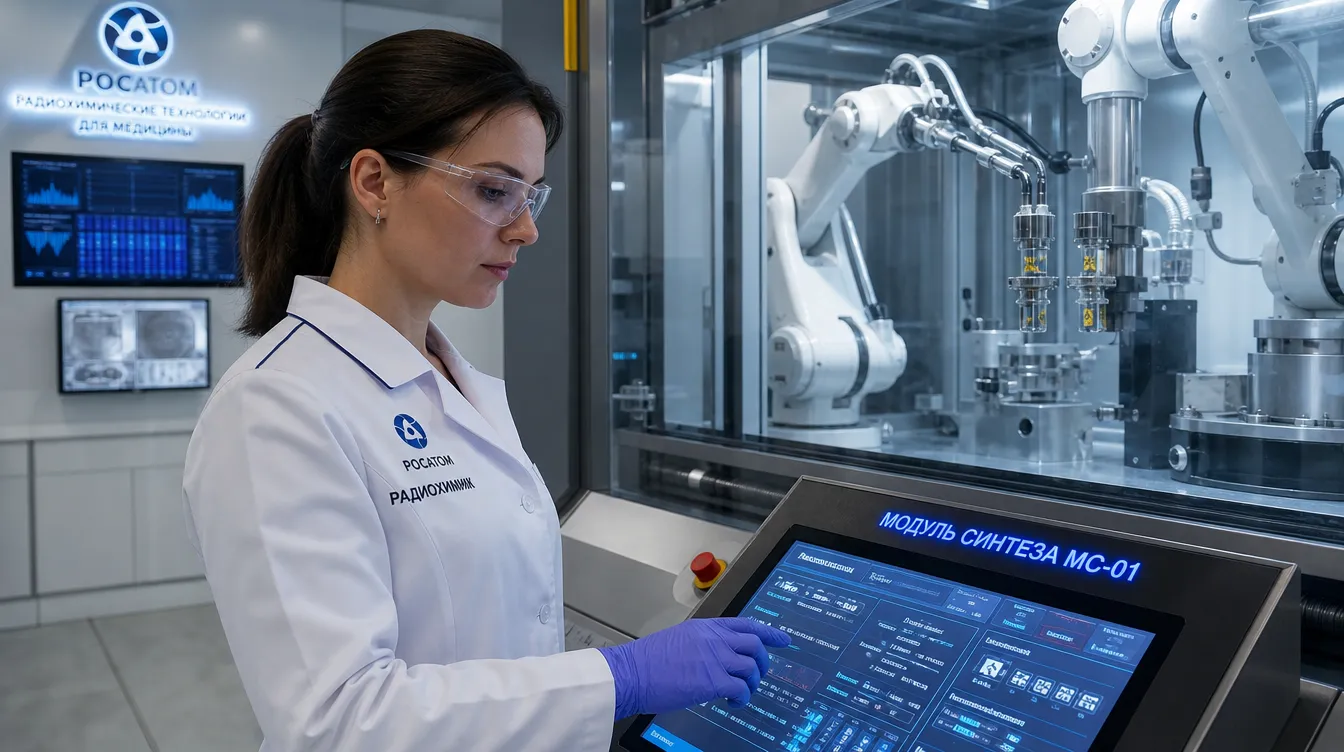
The production lines are equipped with Russian-made automated synthesis modules. A key feature of the equipment is its ability to synthesize large quantities of radiopharmaceuticals simultaneously. Each production line is designed to produce at least 100 finished-product vials during a work shift. Automation controls every stage of the synthesis process without direct operator involvement, minimizing the human factor and supporting consistent product quality.
The modules’ software allows engineers to modify synthesis algorithms. This makes it possible to adapt the equipment for producing promising radiopharmaceuticals and shorten the time needed to bring new Russian-made products to market.
The automated modules operate under conditions that meet manufacturing-practice requirements. All synthesis parameters are recorded electronically, while the system retains data on every batch of medicines for quality control.
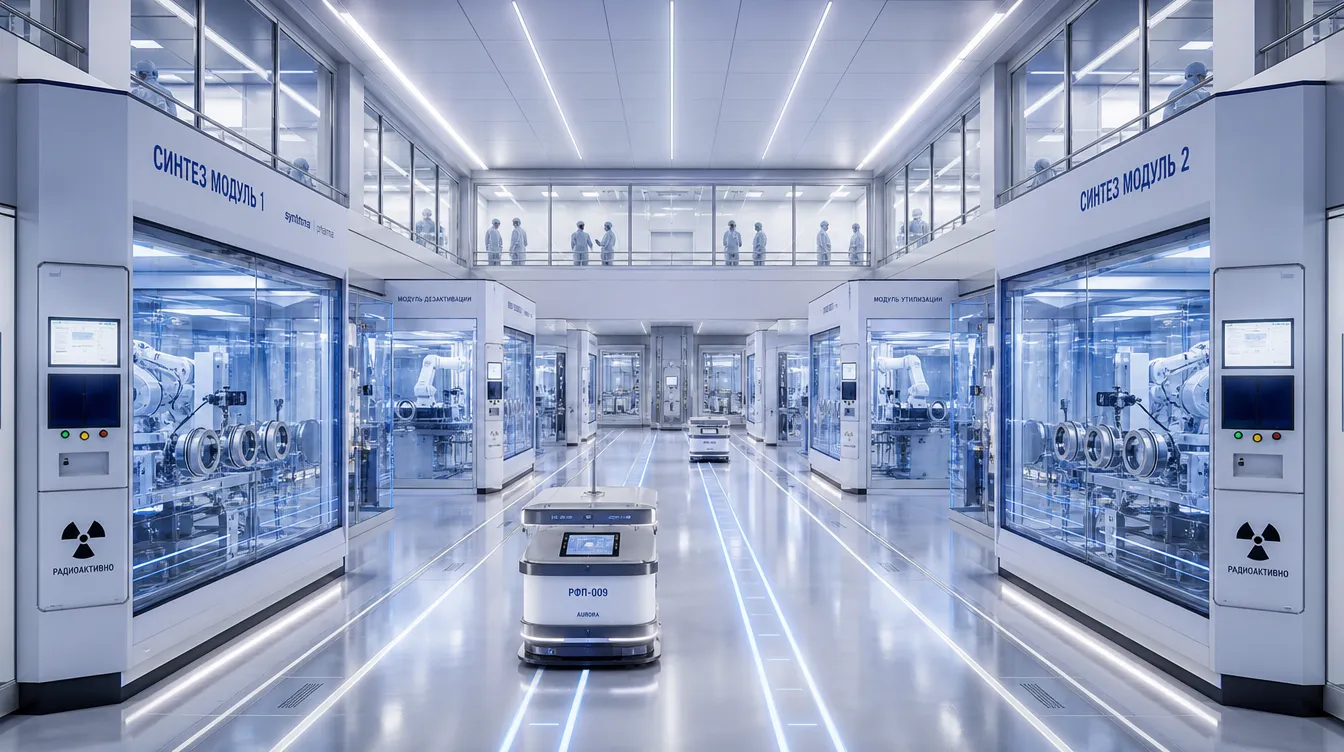
Robotic Waste Handling
The plant has a system for storing and handling radioactive waste. A robotic manipulator loads materials into special containers, while an operator controls the robot remotely from a control room. The manipulator moves the containers along a predetermined path and places them in storage cells. The system automatically records the location of each container and the parameters of the waste it contains.
This setup provides safe storage of spent materials. The operator monitors the process remotely, while commands to the robot are transmitted through secure communication channels. The robot’s software keeps an operations log and signals any deviations from normal operating conditions. Employees do not come into contact with radioactive materials, helping the facility meet radiation-safety standards and sanitary requirements.
Full Production Cycle
The new plant establishes a closed-loop production cycle for radiopharmaceuticals in Russia. Rosatom enterprises produce medical isotopes at research and industrial reactors, after which the raw material is sent to the plant in the Kaluga Region to synthesize finished dosage forms. The full cycle makes it possible to control product quality at every stage. The facility is also not dependent on foreign suppliers of raw materials or finished medicines. Localized production will shorten delivery times to clinics as well, which is particularly important because radiopharmaceuticals have a limited shelf life.
Commissioning work at the plant began in August 2026. Specialists are now producing test batches and conducting studies to verify compliance with quality standards. The plant is scheduled to reach full production capacity in 2028. The launch of the two radiopharmaceutical production lines in the Kaluga Region will supply Russia’s healthcare system with domestically produced targeted-therapy medicines for cancer treatment.