Russian Breath Analyzer Could Change Lives of Patients With Mental Disorders
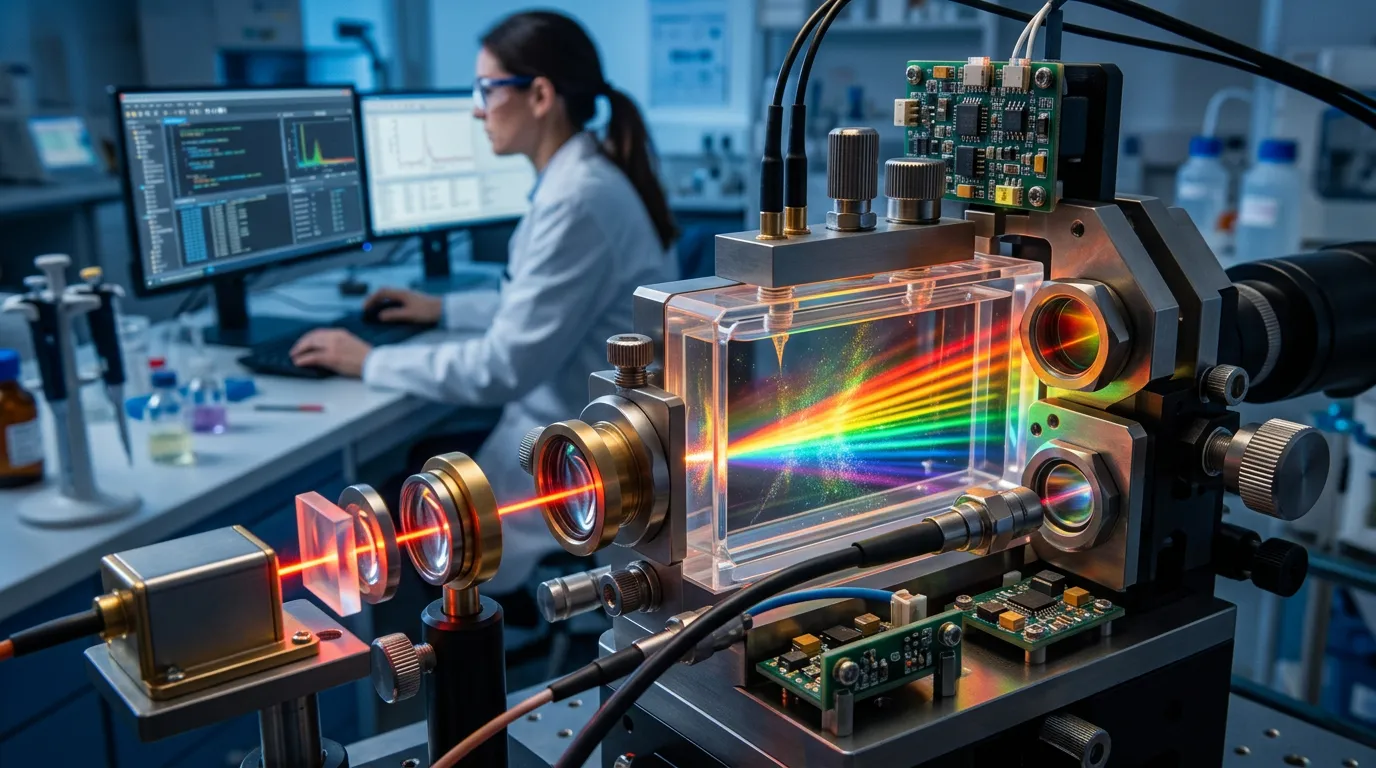
Researchers at Bauman Moscow State Technical University, working with Moscow’s N.A. Alexeev Psychiatric Clinical Hospital No. 1, have developed a laboratory prototype of a device that analyzes exhaled breath to determine whether a patient with schizophrenia is adhering to a prescribed antipsychotic medication regimen.
Schizophrenia is not only a difficult diagnosis for patients but also a severe ordeal for their loved ones. One of the biggest obstacles to preventing relapses is irregular use of antipsychotic medication. But what if treatment adherence could be monitored without injections, blood tests or exhausting questioning? Researchers at Bauman Moscow State Technical University and the N.A. Alexeev Psychiatric Clinical Hospital No. 1 have created a unique device that can noninvasively determine whether a patient is adhering to therapy.
Objectivity Instead of Guesswork
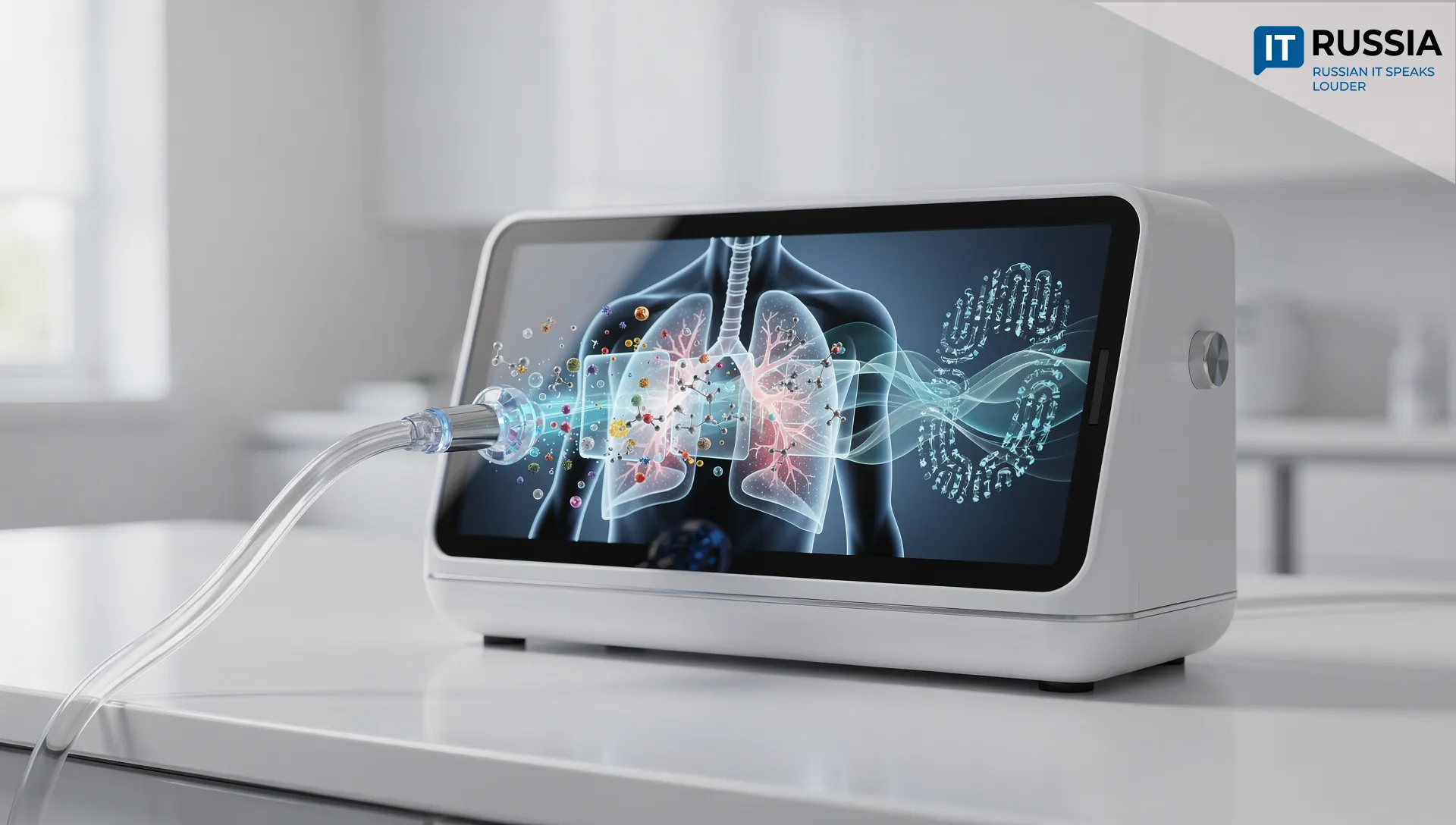
Doctors recommend that patients take their medications consistently. In practice, however, psychiatrists cannot directly monitor adherence and must rely on what patients or their relatives tell them. Testing blood for the presence of medications is difficult and can sometimes be dangerous because of the risk of patient aggression. The new device offers a noninvasive alternative. Infrared radiation is used to read the chemical composition of exhaled breath, producing a metabolomic profile – a digital fingerprint of metabolism. For physicians, this could provide an objective monitoring tool to help them adjust treatment in time and prevent severe psychotic episodes.
Medicine Without Pain or Stress
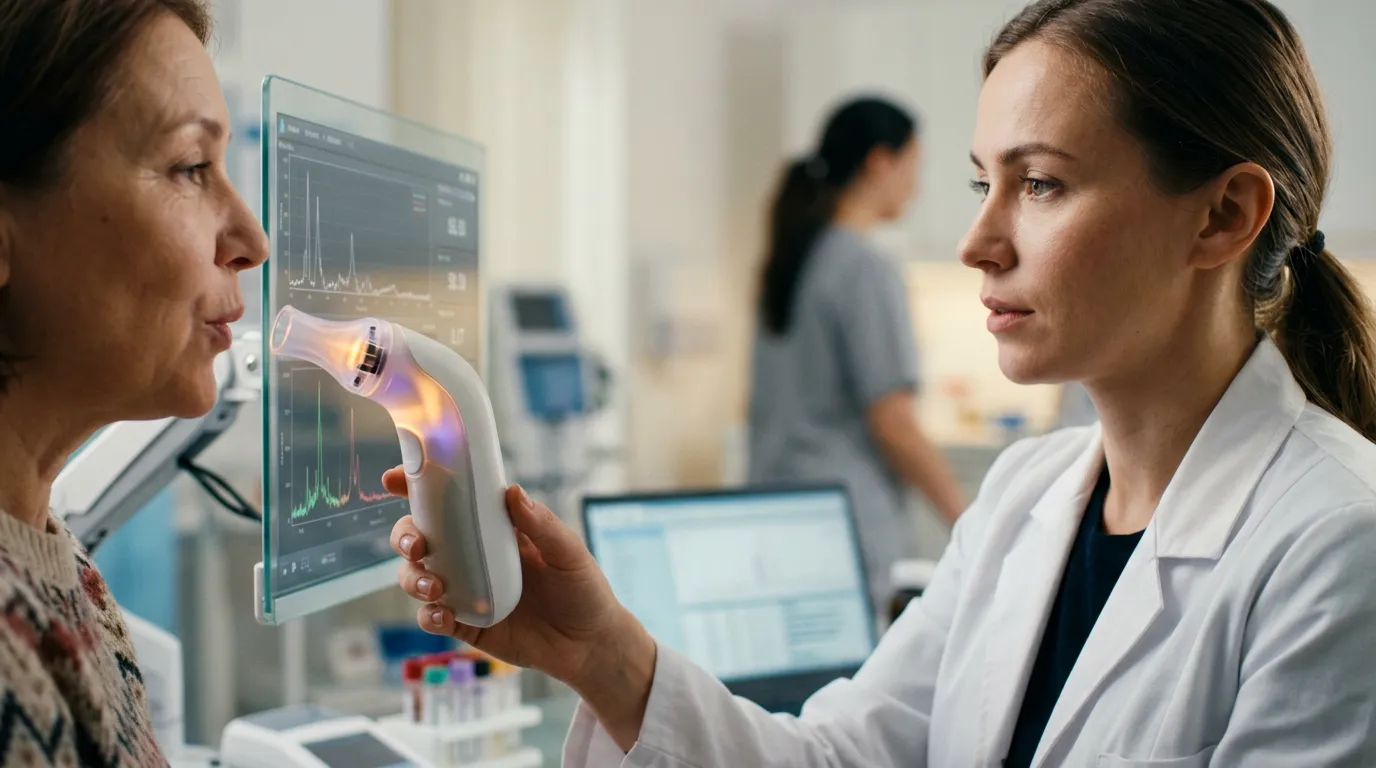
People with severe mental disorders often experience intense fear of medical procedures. Regular blood draws are almost always stressful for patients and can trigger an exacerbation or lead them to refuse treatment altogether. Simply exhaling into a special tube makes monitoring completely painless and quick. It can restore patients’ sense of dignity, reduce anxiety and make therapy genuinely more humane.
Bringing Peace of Mind Back Home
Families living with someone who has a psychiatric disorder often experience chronic stress. Parents or spouses may constantly wonder, “What if they didn’t take their medication?” Missing a dose always carries a risk that can lead to a breakdown and another exacerbation. A future outpatient version of the device could give families a reliable, discreet and scientifically grounded monitoring tool. That could reduce tension at home, eliminate the need for relatives to play the role of “watchdog,” and help preserve relationships built on trust.
The Role of IT
Behind the simple tube a patient breathes into is a sophisticated hardware-software system. An infrared spectrum by itself is merely a raw data set. The central task of the IT component is to clean the signal of interference: accounting for the effects of food, smoking or other illnesses, it must isolate the specific volatile markers that indicate antipsychotic use. In the future, the system will rely on machine learning to compare thousands of breath profiles and identify hidden patterns.
From the Lab to the Clinic
For now, this is not a finished device that will appear in every clinic tomorrow. It remains promising research and development work. A laboratory prototype has been created, with extensive validation still ahead. The developers will need to conduct about 3,600 analyses to demonstrate the method’s accuracy, weed out false positives and fine-tune the algorithms.

Work is already underway worldwide on “electronic noses” and graphene sensors, but using a breath metabolomic profile specifically to monitor treatment adherence in psychiatry is a unique niche. In the future, the technology could offer export potential, but it must first make the journey from laboratory research to registration as a medical device.