Virtual Copies of Copper Age Ceramics to Be Recreated by Yekaterinburg Experts
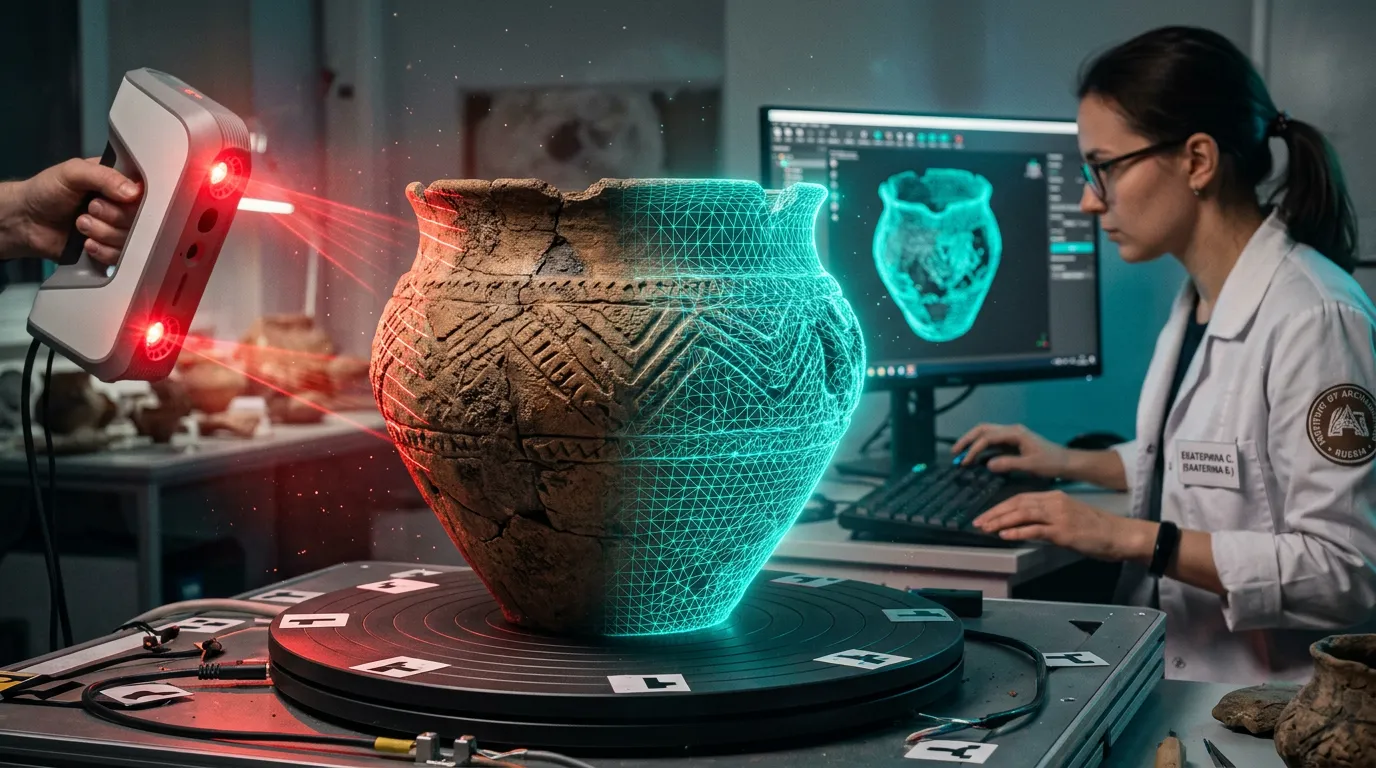
In August, researchers from the Institute of Northern Archaeology transferred ceramic vessels discovered last year during excavations at the Salekhard-5 burial ground to restorers in Yekaterinburg. The experts will reconstruct the objects’ exact appearance and create virtual replicas.
The Salekhard-5 burial ground was discovered in 2025 in the historic center of Salekhard, the capital of Russia’s Yamalo-Nenets Autonomous Okrug, during construction work near the Obdorsk fortress. The burial ground is about 5,000 years old and covers 1.5 hectares (3.7 acres). It is the richest Copper Age burial complex in northern Western Siberia in terms of the number of finds.
Studying the site is revealing the highly unusual burial traditions of the community that lived there at the time. Researchers attribute the burial ground to the Yamnaya archaeological culture, dating to the Late Copper Age and Early Bronze Age, and identify the people who inhabited the area as Indo-Europeans – ancestors of modern Slavic and Finnic peoples. The discoveries will help researchers understand and reconstruct how Yamal’s earliest inhabitants lived and what their culture was like.
Unusual Burial Traditions
One distinctive feature of the burial ground is that the graves were dug 1.5 to 2 meters (4.9 to 6.6 feet) deep in a series of steps, resembling an inverted ziggurat. Researchers believe this burial design symbolized a staircase leading to the underworld.
Archaeologists have found 45 graves and examined 28 of them, while experts estimate that the site may contain 900 in total. Each grave has its own distinctive burial practices: some of the dead were wrapped in birch bark, others were buried in boats, and bodies were covered with ocher before burial. Objects intended to accompany the dead into the afterlife were placed beside them, typically ceramics, stone tools and copper ornaments.
Restoration Gives Artifacts New Life
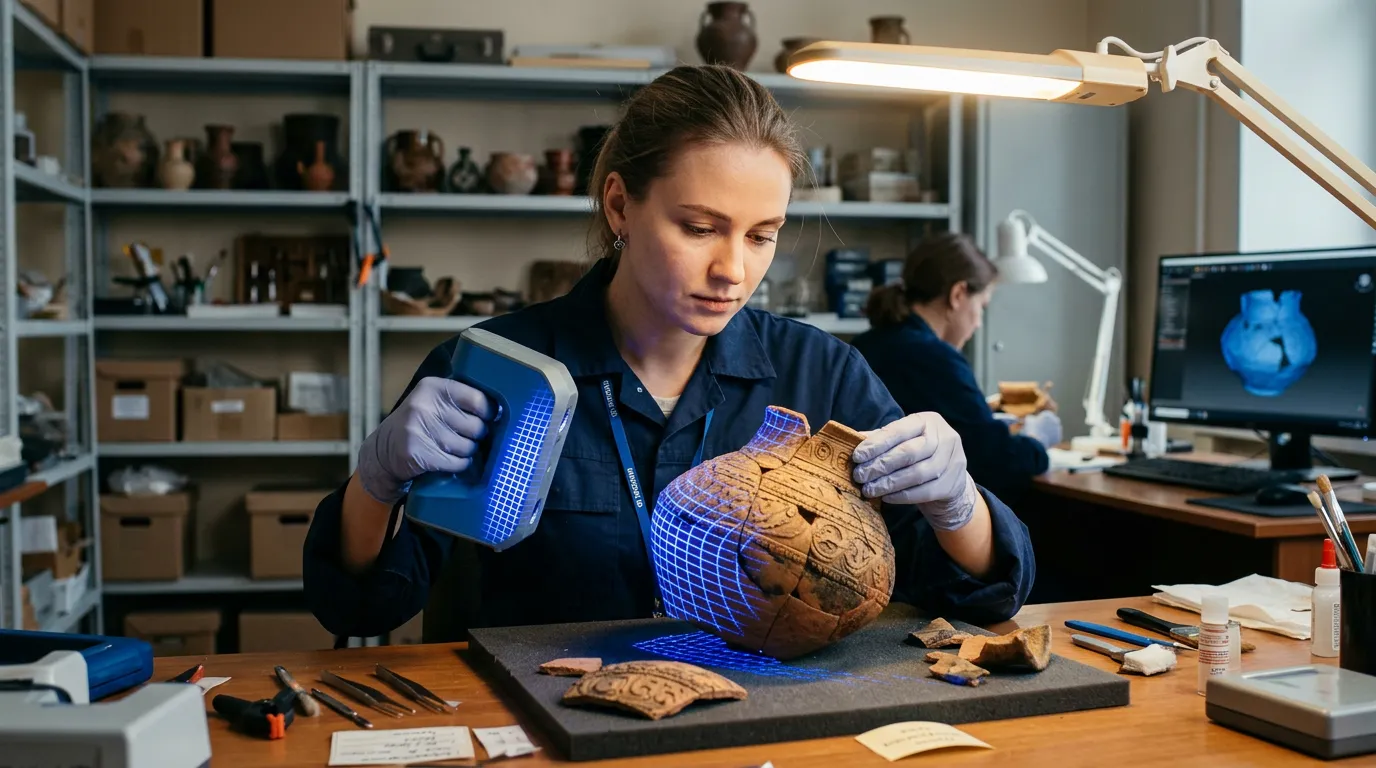
The surviving fragments of objects associated with burial rituals are particularly valuable and could reveal much more about Yamal’s earliest inhabitants. In August, the artifacts were transferred to the restoration workshops of the Yekaterinburg Museum of Fine Arts and the Sverdlovsk Regional Museum of Local Lore, named after O.E. Kler, both located in the Museum of the History and Archaeology of the Urals building.
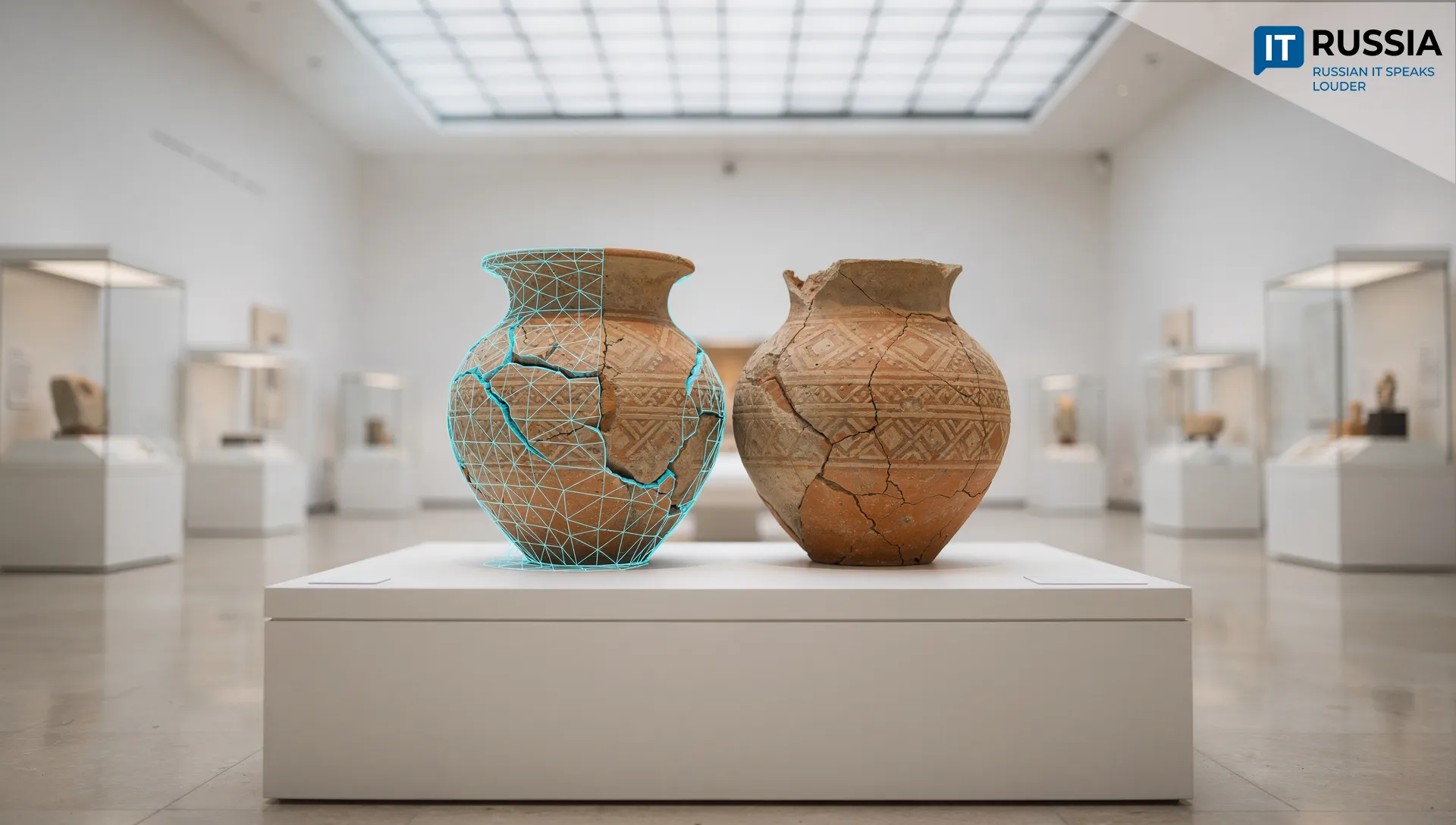
The restorers’ main task is to reconstruct the vessels’ original shapes and ornamental compositions. High-quality 3D models will then be created from the reconstructed forms. These digital replicas will later be used to develop VR exhibits for museums and educational projects.
The project’s authors emphasize that the restoration will produce display-ready artifacts for permanent museum collections and traveling exhibitions, as well as digital replicas that can be used to create virtual reality projects.
The Institute of History and Archaeology of the Ural Branch of the Russian Academy of Sciences has already proposed a major exhibition titled “Mednokamennyi vek Urala” (Copper Age of the Urals), featuring artifacts from the Salekhard-5 burial ground. The exhibition is proposed for the Sverdlovsk Regional Museum of Local Lore and would coincide with the eighth All-Russian Archaeological Congress, to be held in Yekaterinburg in 2028.
Arctic Cultural Heritage Will Be Accessible to Everyone
The Institute of Northern Archaeology has long made systematic use of scanning and 3D object-creation technologies. This year, the institute created an online exhibition of 3D models of finds from the Obdorsk fortress. Restoring the vessels from the Salekhard-5 burial ground and creating their 3D representations marks the next step in an already established digital practice.
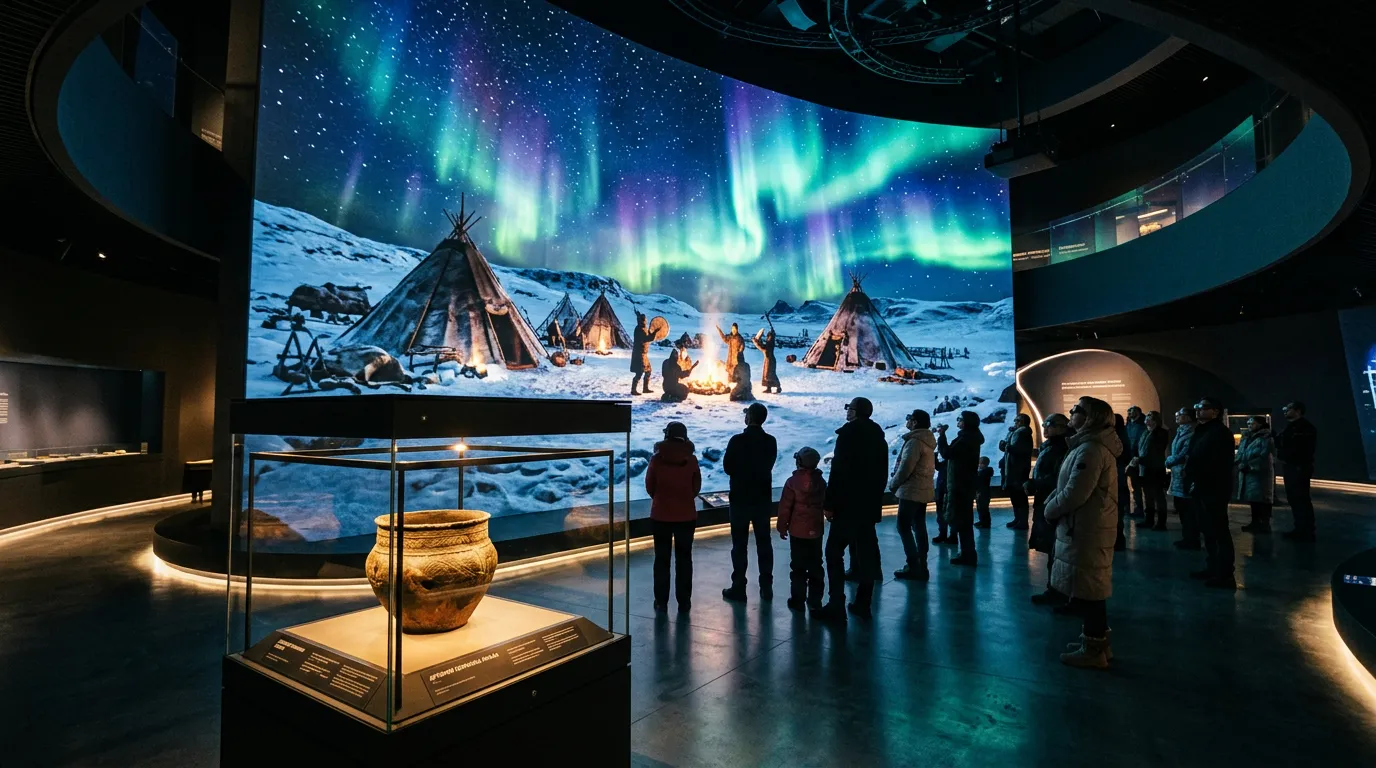
Digitizing the Arctic’s cultural heritage makes it possible to study discoveries remotely and experience artifacts not only behind museum glass but also through interactive 3D and VR formats. For Yamal and Russia, the project is creating a digital archive of unique finds while expanding what museums can offer and providing new ways to bring the history of the Arctic to a wider audience.
The project also has international value, driven above all by the uniqueness of the necropolis itself and the opportunity to make its materials available to researchers regardless of where the original artifacts are physically located.