Supercam Drone Operators in Russia Set to Fly Missions From Anywhere in the World
Russian Supercam drones have been equipped with remote-control technology that allows operators to work far outside the flight area, opening up use in higher-risk civilian zones.
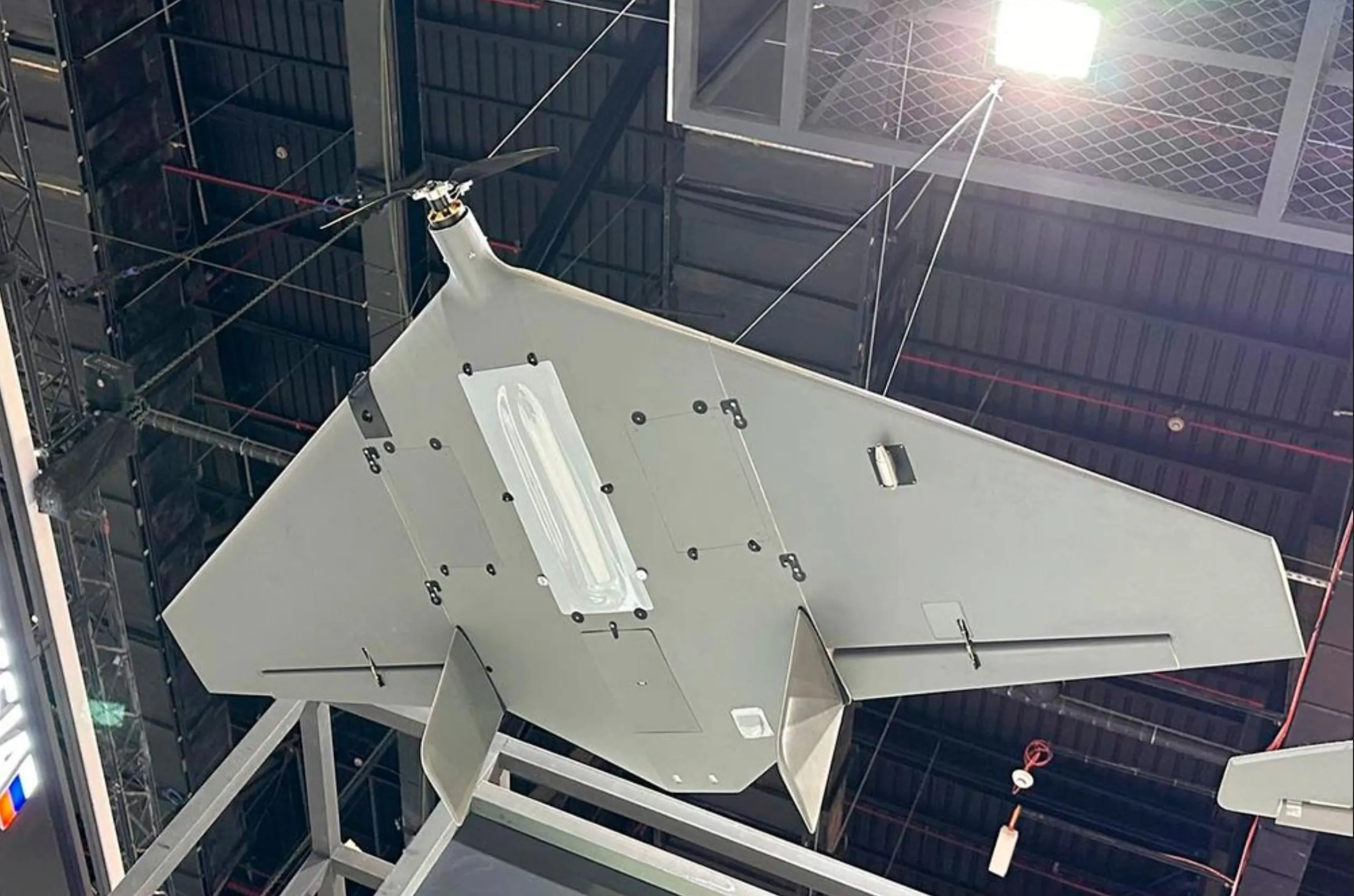
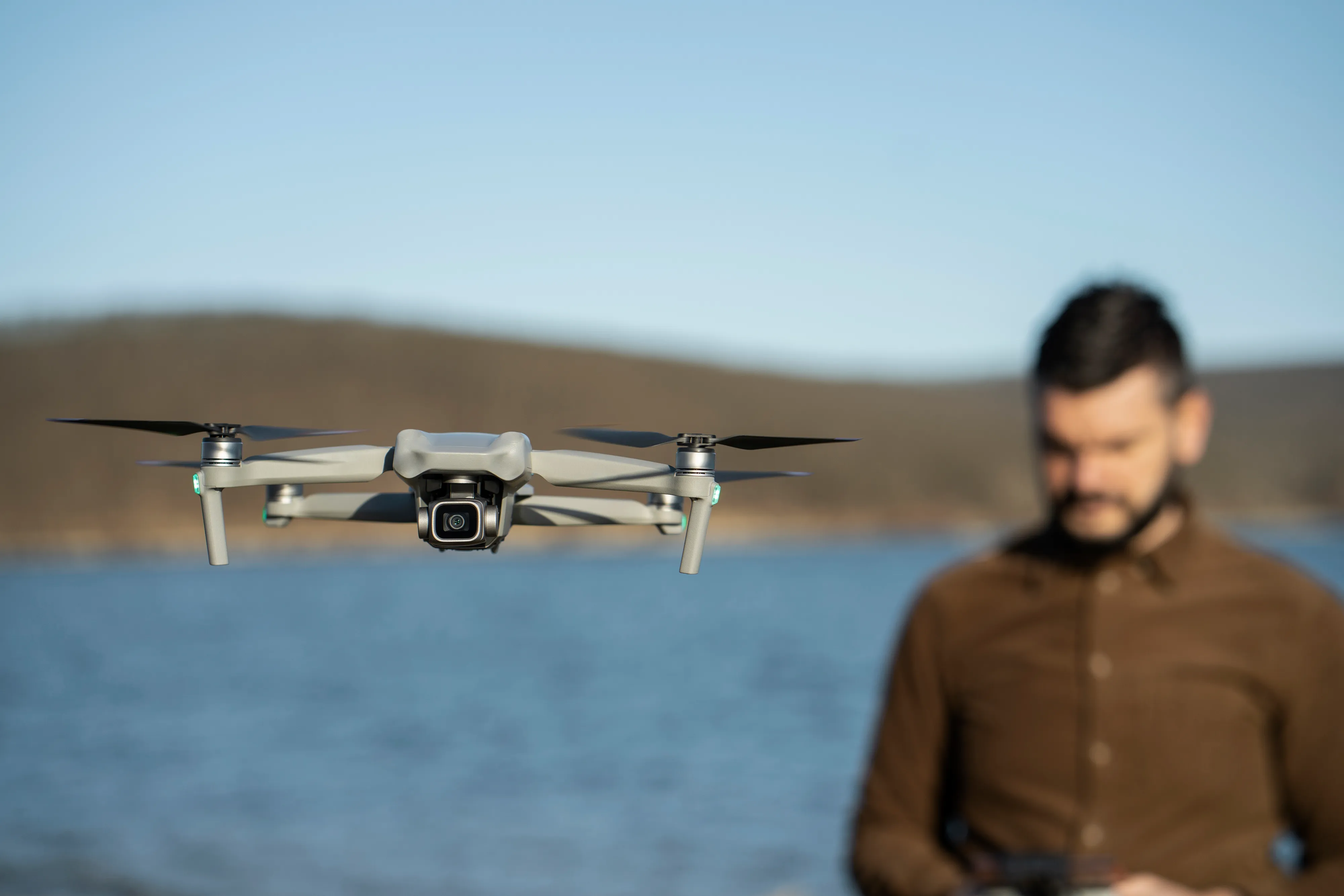
The Unmanned Systems Group unveiled the new capability at the international UMEX 2026 trade show in Abu Dhabi. The technology enables drone control via secure communication channels while streaming telemetry, photos, and video in real time. Operators can be located thousands of kilometers away from the flight zone.
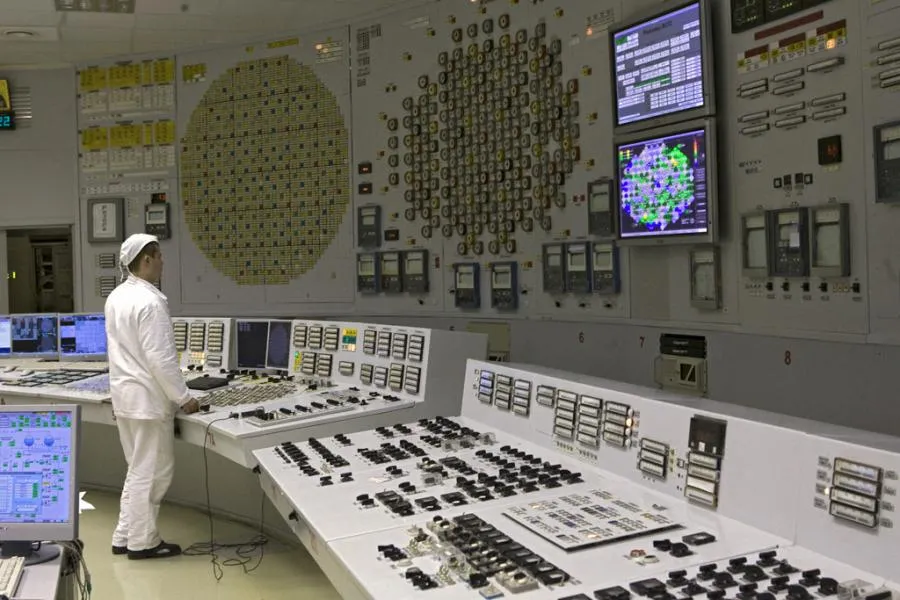
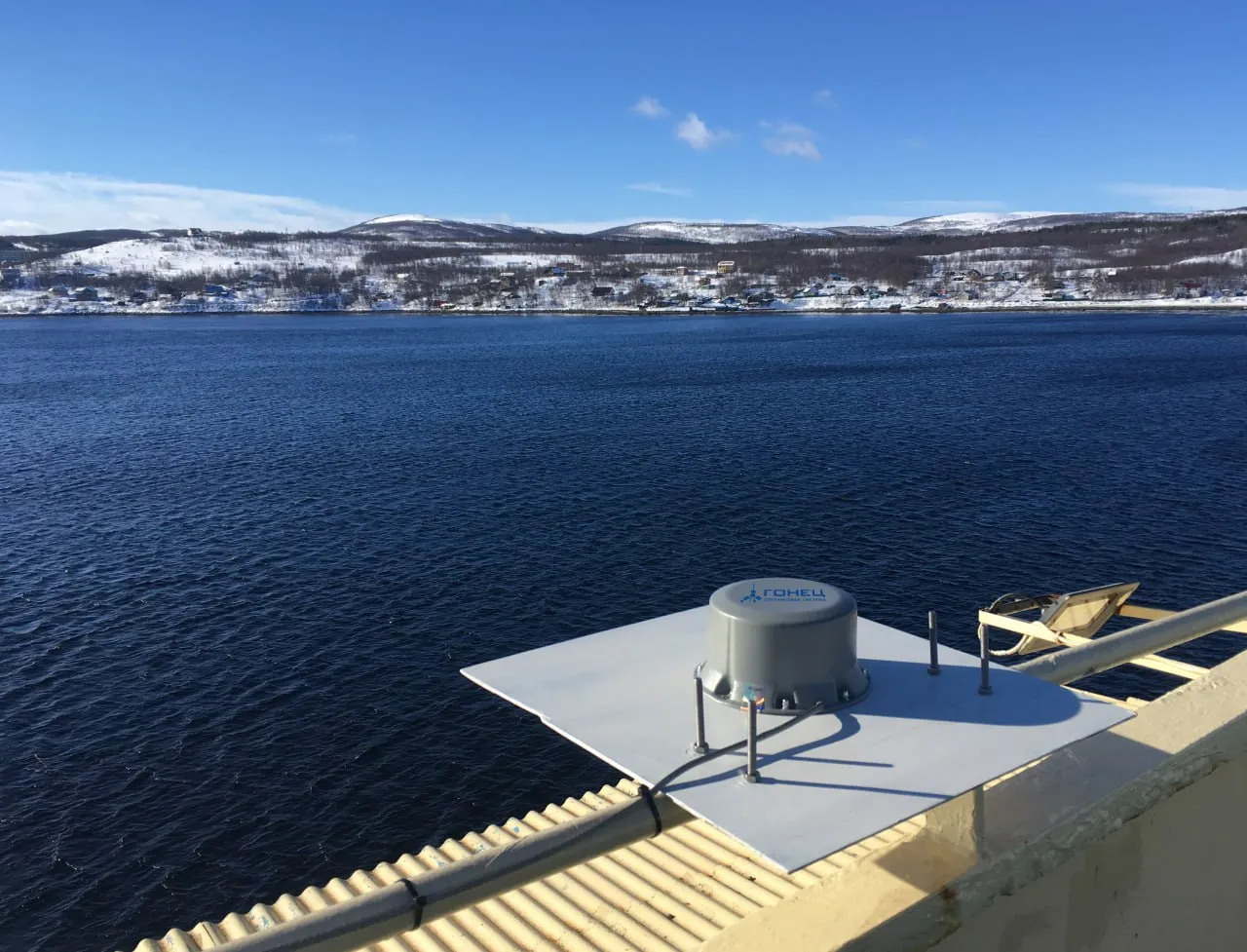
The system is built around a clear division of labor. Only a minimal technical crew remains at the launch site, responsible for takeoff and landing. Direct flight control and data analysis are shifted to a remote center. In the mission area, all that is required is an antenna and a data modem, significantly reducing demands on ground infrastructure.
Interference Is Not an Obstacle
According to the developer, the system has undergone field testing and demonstrated stable performance even under heavy signal interference. Minimal latency makes it possible to maintain reliable control of the aircraft and respond quickly to changing conditions.
Although the technology was designed to meet heightened reliability requirements, developers see its main potential in civilian use. Remote control is especially valuable for monitoring extended infrastructure, where deploying a full control station is difficult or economically impractical.
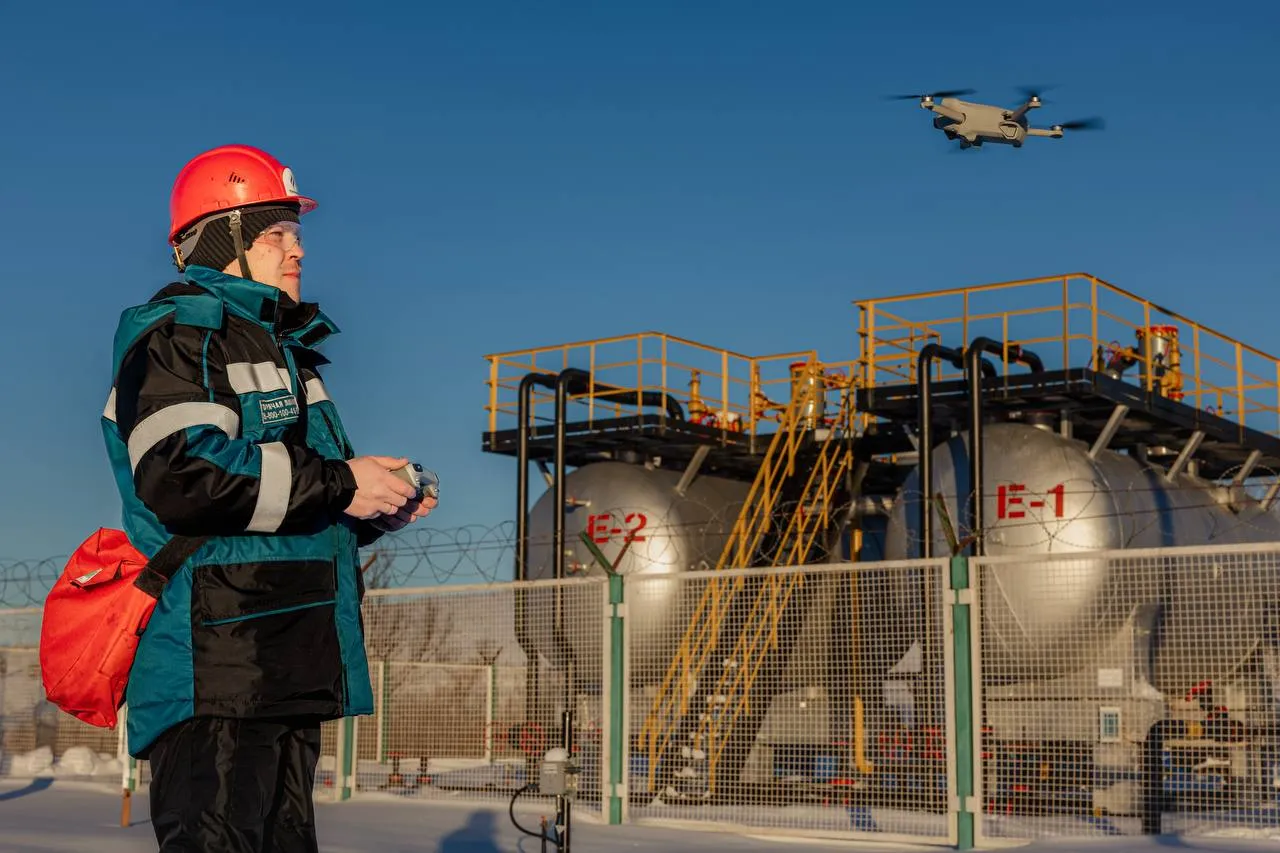
Remotely operated drones can be used to inspect oil and gas pipelines, power transmission lines, and railways, as well as for environmental monitoring of forests, water bodies, and industrial zones. Search-and-rescue operations in hard-to-reach areas and large-scale aerial mapping are also seen as key applications.
Infrastructure Inspector and First Responder
Drones are already widely used worldwide for infrastructure inspection and disaster response. The ability to operate UAVs from remote centers makes it possible to involve experienced operators without requiring their physical presence on site.
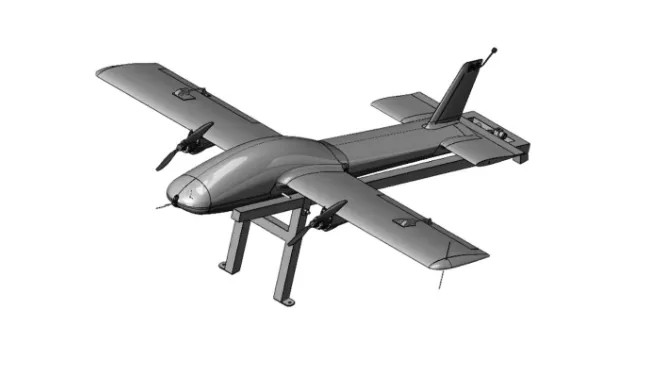
At UMEX-2026, the company also showcased its Supercam lineup, including fixed-wing and rotary-wing platforms. Combined with the new control system, this expands the range of civilian applications for Russian drones that require long range, autonomy, and operational safety.