Remote Participation in Administrative Court Cases Goes Online
Remote participation in court hearings is becoming standard practice. In the near future, this format could extend to some criminal proceedings.
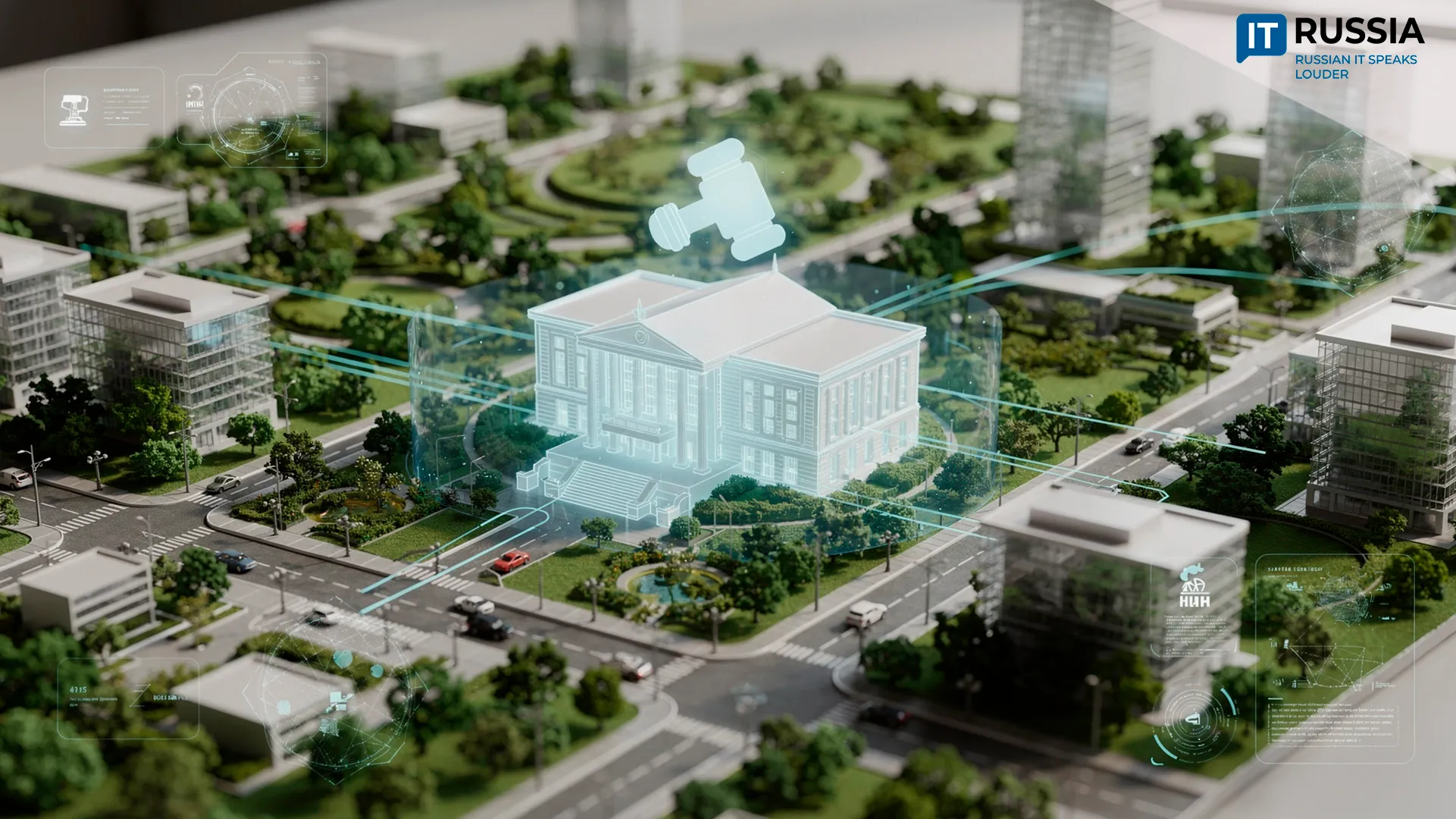
The Ministry of Justice of the Russian Federation has completed work to enable online participation in court proceedings. The format is now available to participants in administrative cases. Instead of relying solely on in-person hearings and paper filings, the system is shifting to a hybrid model where documents can be submitted electronically and hearings can be held via videoconferencing or web conferencing, where technically feasible. The relevant federal law, 59-FZ (Federal Law No. 59-FZ), entered into force on July 1, 2025.
Simplifying Access to Justice
Participation in court proceedings is becoming easier. Document exchange will move much faster, and in many cases there is no longer a need to travel to a courthouse in person, which saves both time and money for participants. Case processing is also expected to speed up.
The government is aligning the digital backbone of the judicial system to a single standard by integrating it with ESIA (Unified Identification and Authentication System), Gosuslugi (public services portal), biometric systems, and judicial information systems. That shift also creates new demands for IT professionals. Expanding digital justice will require reliable domestic solutions for secure communications, electronic document management, and integration across government platforms. Over time, these solutions could also support international cooperation within frameworks such as the SCO (Shanghai Cooperation Organization) and BRICS.

Scaling Online Across Routine Cases
Digital court procedures are becoming standard practice not only in major categories of litigation but also across the high-volume, day-to-day flow of administrative cases. This matters because cases under the Code of Administrative Offenses represent one of the most common points of interaction between citizens, businesses, and the state.
These technologies extend the practical use of existing legal provisions. Remote participation is likely to become widespread. At the same time, the online format is expected to expand into related procedural areas. Some of the underlying technology components also carry export potential, including secure videoconferencing platforms, procedural electronic document services, participant identification systems, integration buses for government systems, and modules for digital legal assistance.
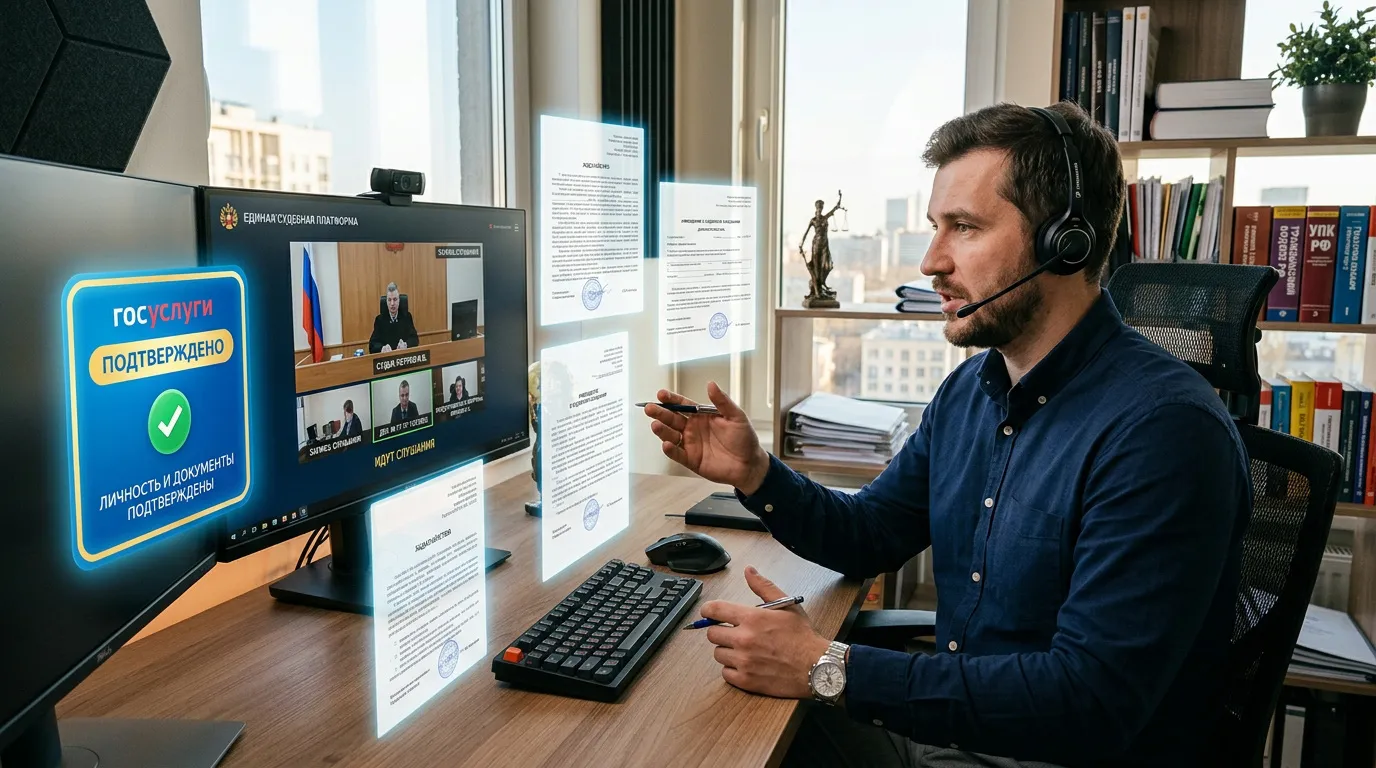
Remote Courts Expand to More Participants
Legal foundations for electronic documents and remote participation in civil, arbitration, administrative, and criminal proceedings were established in 2021. At that time, participants were allowed to join hearings through web conferencing systems by submitting a motion. A year later, corresponding amendments were introduced into the Criminal Procedure Code. In April 2025, the President of Russia signed Federal Law 59-FZ, which formalized electronic document workflows and remote participation in administrative proceedings. The law took effect on July 1 of that year. By March 2026, the Ministry of Justice proposed extending remote participation to criminal cases. Under this approach, suspects and defendants held in custody or under house arrest could take part in hearings remotely. The initiative also applies to certain appellate procedures.
Following the COVID-19 pandemic, many judicial systems around the world accelerated their transition to online hearings and electronic document workflows. Russia’s approach aligns with this broader trend but evolves within its own regulatory and technological framework.
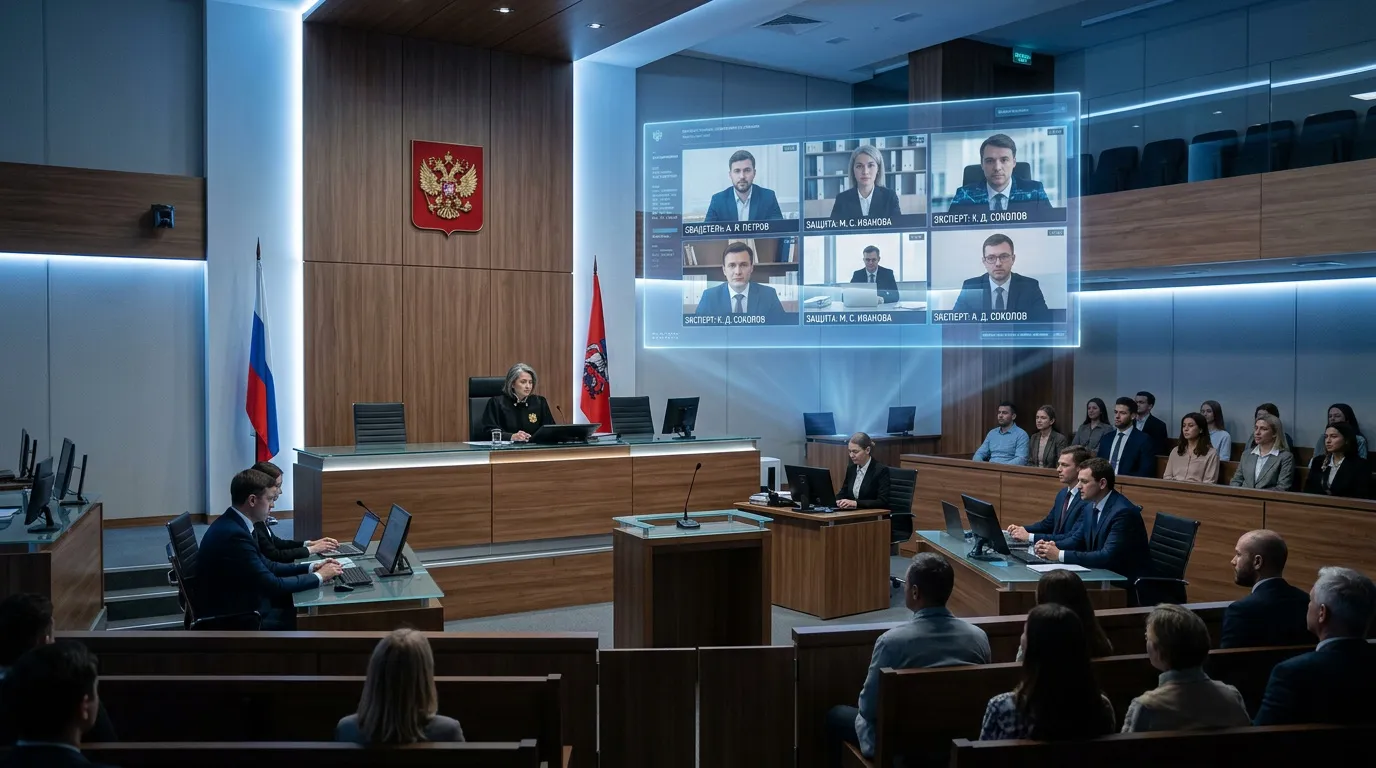
A Catalyst for Domestic IT Solutions
What was once seen as an unusual or temporary measure, especially during the pandemic, is becoming a routine mechanism. The share of remote hearings in Russia is expected to increase in the near term. Demand for domestic platforms in secure communications, identity verification, and electronic document management is set to grow, while the Ministry of Justice is likely to expand remote mechanisms to additional types of proceedings.
In practice, remote justice is now discussed not only as a legal issue but also as a matter of IT infrastructure. These changes create sustained demand for applied digital solutions that make interactions easier for both citizens and government institutions.