Irina Volynets: AI Shifts Education’s Focus Toward Search and Creativity
Digital services and artificial intelligence in Russian schools have moved from experimentation to widespread use.
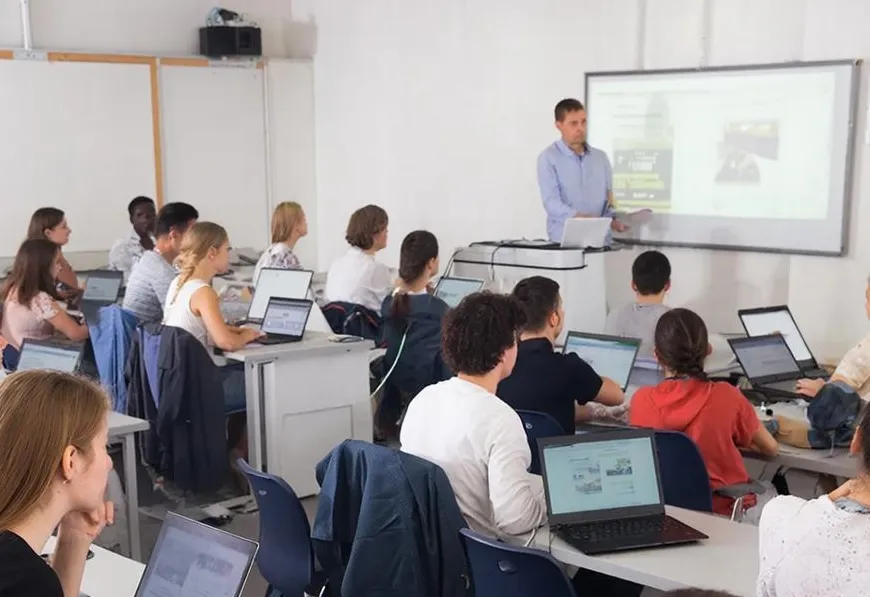
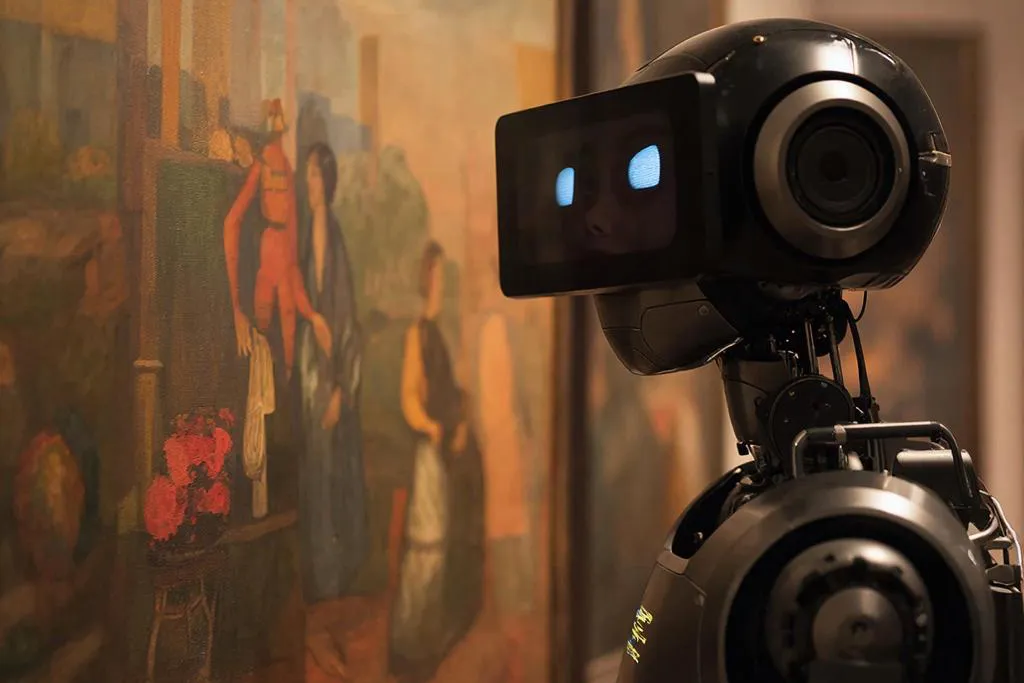
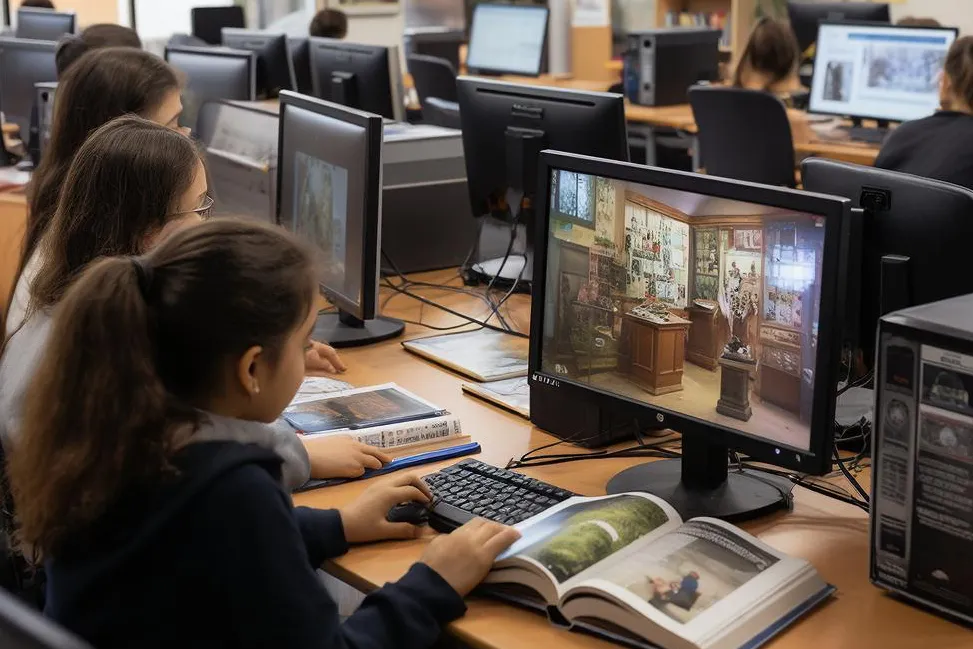
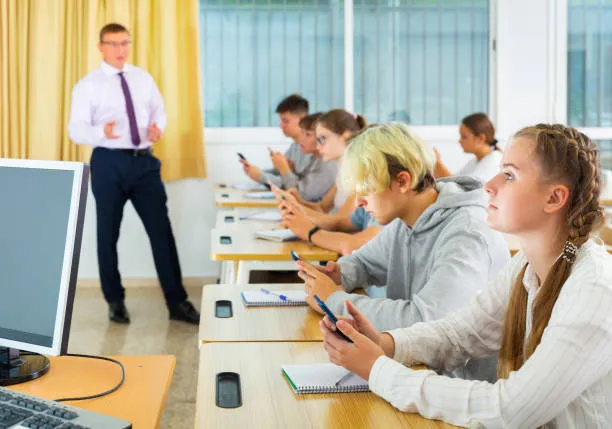
In 2025, Russian schools saw rapid growth in digital services, with students and teachers increasingly using artificial intelligence to prepare for lessons, academic competitions, and even exams. According to experts, what began as a cautious experiment has evolved into a mainstream technology.
President Vladimir Putin has spoken about the broader mission of the education system – to cultivate leaders in technological development. The adoption of AI and digital technologies is set to be embedded in Russia’s Education Development Strategy through 2036.
Avoiding a Digital Divide
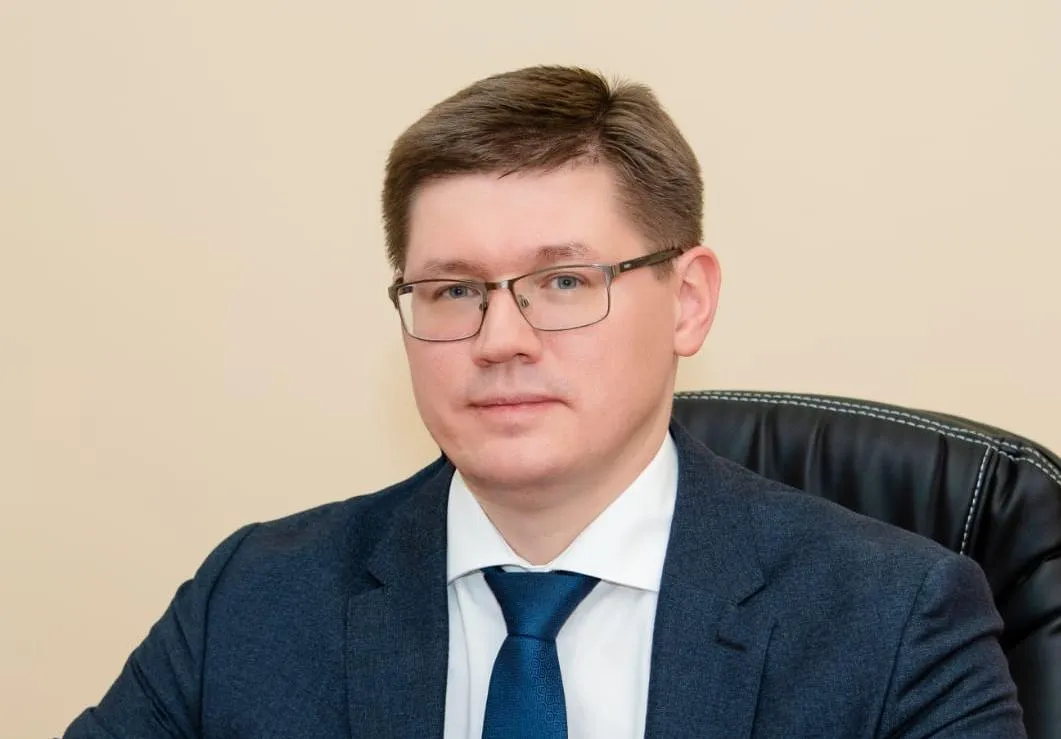
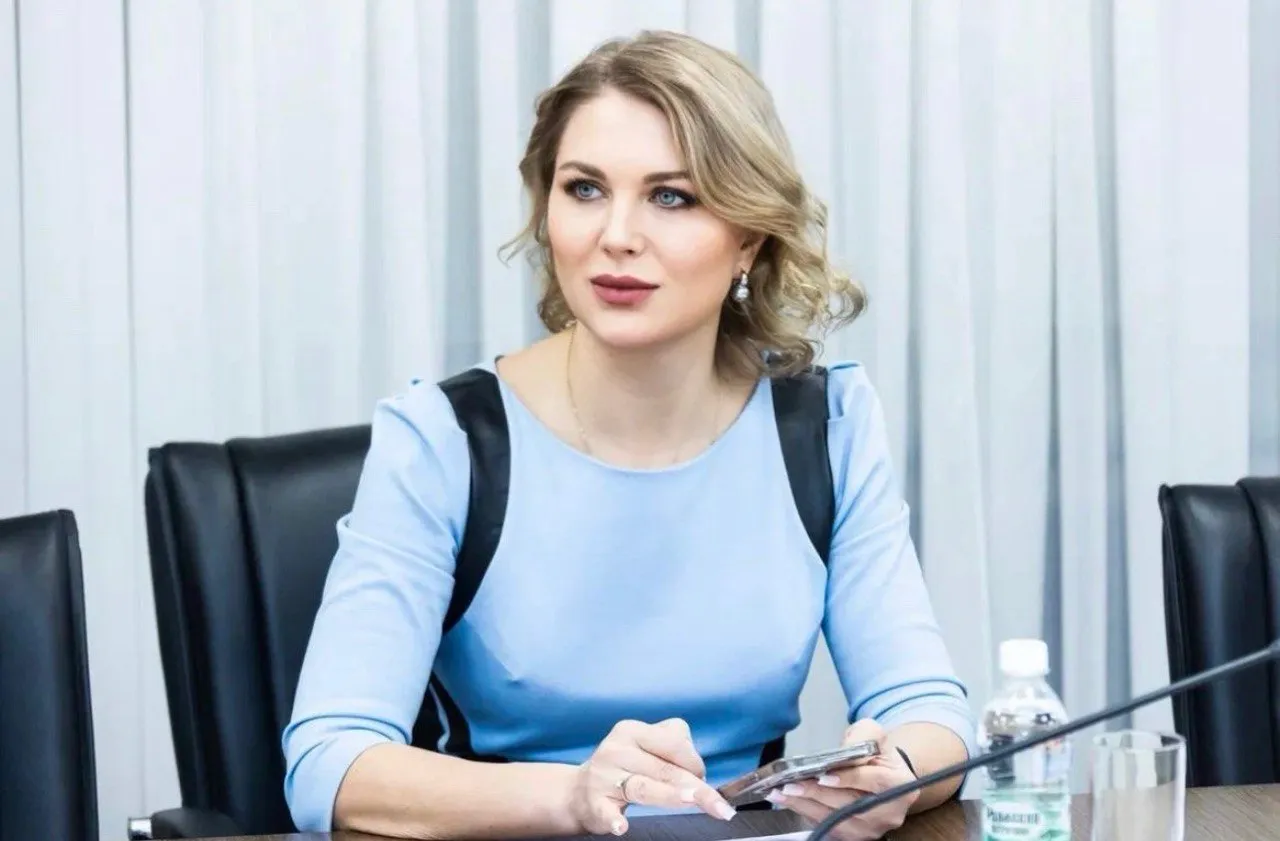
As Irina Volynets, chair of the National Parents Committee and leader of the Zastupnik child safety volunteer community, noted, the issue raised by the president is central to the future of Russian schooling. In her view, banning AI is not an option; instead, children must be taught how to use it properly.
She added that the focus must move to the quality of thinking rather than mechanical tasks. Where factual knowledge once held the highest value, today the ability to ask questions, analyze, critically assess information, and create new ideas is more important. AI can assist with data collection, information structuring, and drafting texts.
A Step Toward Individual Learning Paths
According to her, the move to digital tools makes it possible to personalize learning. AI tutors can adapt task complexity and presentation to individual students, helping them address weaknesses and develop strengths. This represents a step toward genuinely individualized learning paths.