The year 2025 made one thing clear: for
businesses, automating routine tasks is no longer enough, and investing in
upskilling staff has become critical. Kirill Pshinnik, co-founder and CEO of
the Zerocoder university, shared this view with IT RUSSIA.
“If in 2024 B2B companies were only
beginning to look at neural networks, without fully understanding their
potential, and mostly sought one-off consultations, then in 2025 executives are
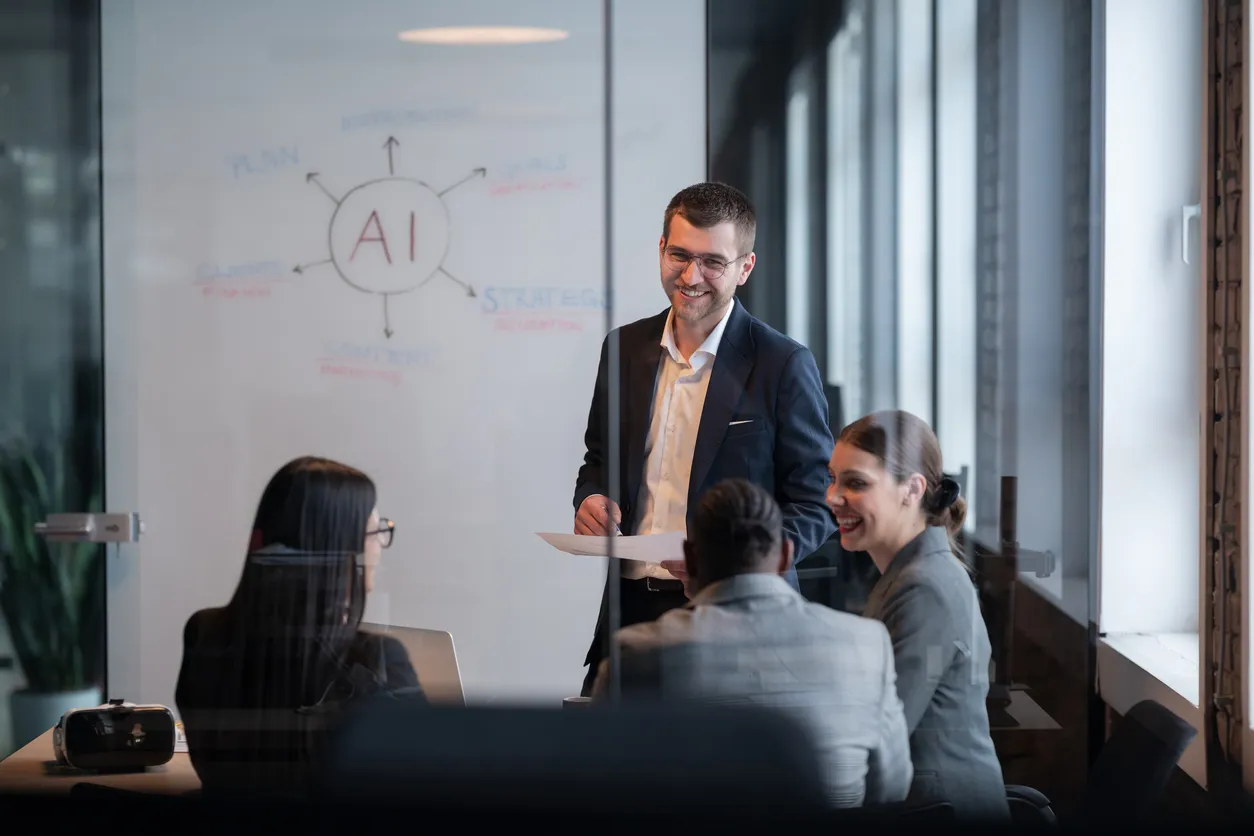
deliberately committing time and budgets. Today, both rank-and-file employees
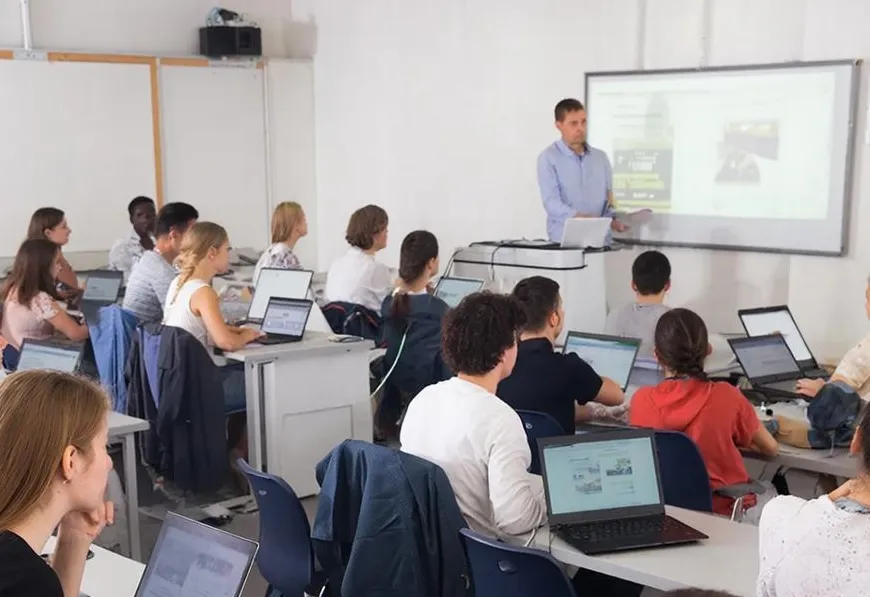
and C-level managers go through full-scale AI intensives, where they do more
than listen to introductory lectures. They learn how neural networks work in
practice by building chatbots or adapting generative AI to real business
tasks,” Pshinnik said.
A More Skilled Workforce
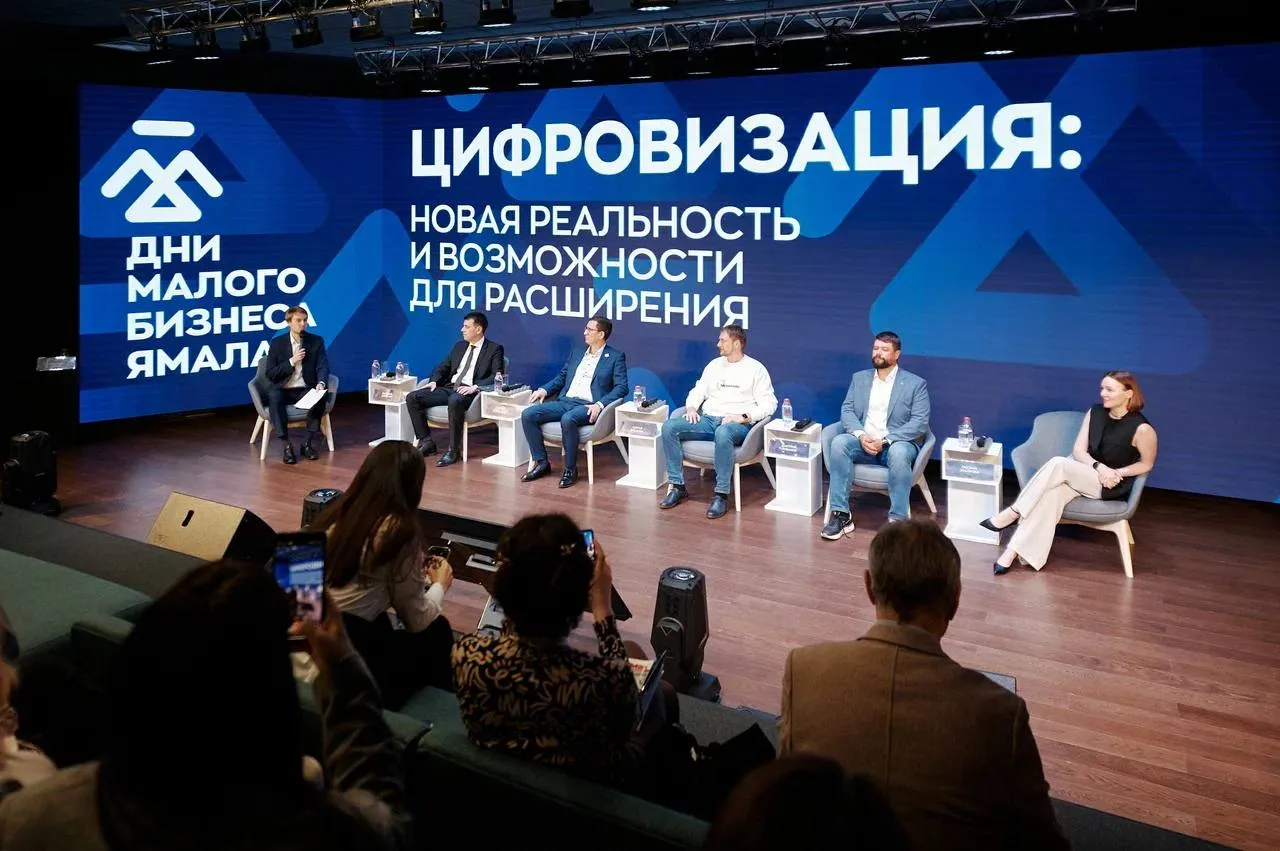
Speaking at AI Journey 2025, Russian President
Vladimir Putin stressed that the country urgently needs technically skilled
personnel across all sectors of the economy. As a result, both state-owned and
private companies are increasingly fine-tuning automation, reducing open
vacancies, and shifting their focus toward developing employees as prompt
engineers.
“According to our data, B2B training generated twice as much revenue
as last year. More than 30% of companies returned for additional training for
other departments or organization-wide programs. If in 2024 the average group
size was 25 to 30 people, it is now around 100, and large corporations are
submitting requests for programs with more than 300 participants. I am
confident that the trend toward B2B training in neural networks will continue
to grow next year as well,” Pshinnik said.
Experiments With Chatbots
Another notable trend is the integration of
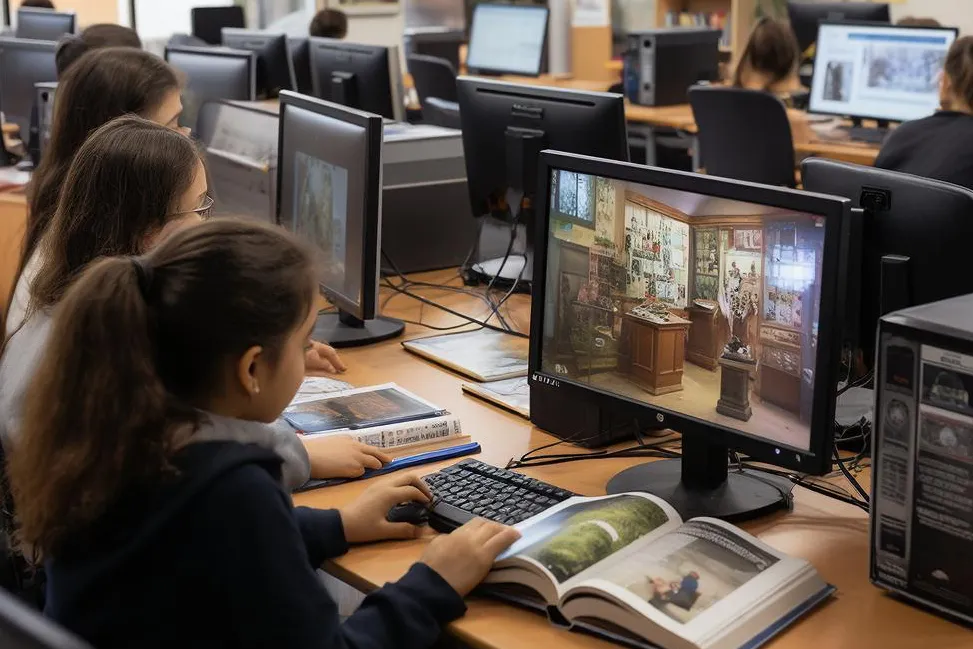
AI tools directly into students’ learning pathways. For the second year in a
row, Russian online schools have been experimenting with chatbots based on
open-source generative neural networks. These are used to check homework,
create avatars for recording lessons, or provide automated responses instead of
live tutors.
“At the same time, most EdTech businesses,
including ours, have already deeply integrated AI into their operational
processes: marketing uses it for audience analysis, while customer service
relies on it for instant responses to frequently asked questions. At Zerocoder,
a full-fledged ecosystem of AI assistants has emerged across key departments.
On average, it saves employees about 40% of the time they previously spent on
routine tasks, helps assess risks before launching products and hypotheses, and
responds to customer inquiries and feedback within seconds. From an economic
standpoint, this gives us an advantage in hiring, training, and onboarding new
specialists into corporate services,” Pshinnik said.