AI Dispatcher Wellsoft Sets a New Vector for Utilities Digitalization
The utilities sector, long seen as a stronghold of conservatism, is undergoing a technological shift. One of the defining developments of 2025, shaping the industry’s trajectory for years ahead, is the announcement of the country’s first AI dispatcher designed specifically for property management companies.

From Platforms to Artificial Intelligence
In previous years, progress centered on moving property management to online platforms, such as Sber’s Doma.ai, or migrating infrastructure to domestic cloud environments like Dispatcher 24. In 2025, the sector enters a new phase.
Developed by Wellsoft, the solution marks a transition from rule-based chatbots to full-fledged artificial intelligence built on neural network algorithms. The system understands natural language, processes requests from any channel (chat, mobile app, phone), instantly resolves standard issues, and seamlessly escalates complex cases to human operators without losing context. By learning from historical requests, the technology continuously improves its accuracy and adaptability.
A Systemic Dispatch Crisis as the Catalyst for Change
The problem the AI dispatcher addresses is structural. Dispatch centers operate under strict regulation, require 24/7 coverage, and involve high emotional stress. Research shows that up to 80% of residents still prefer phone calls to contact management companies, while as many as 40% of calls are routine. During emergencies or reporting periods, workloads spike, leading to staff burnout, human-error-driven mistakes, and steadily rising operating costs. This crisis of routine operations has created strong demand for intelligent automation.
Tangible Economics and New Capabilities
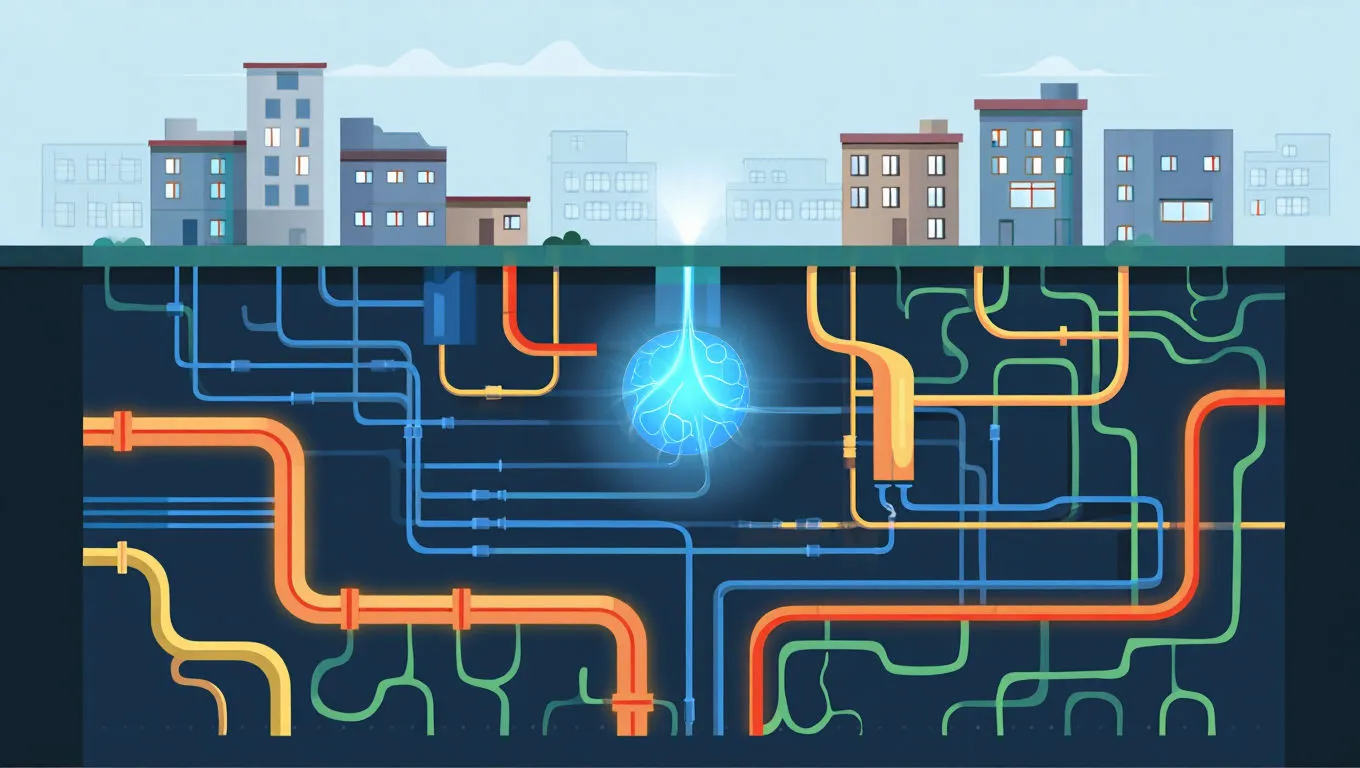
The economic impact of AI-driven dispatching has already been demonstrated. Early adopters, such as Just AI with its “Virtual Operator,” show concrete results. AI-based solutions can cut the cost per call minute by half (from about 8 rubles to 3–4 rubles, roughly $0.10 to $0.04–0.05) and reduce overall contact center expenses by 40–50%. For large property management companies, annual savings can reach several million rubles.


Financial benefits extend beyond staffing efficiencies. Automated notifications about outstanding payments, where AI conducts a tactful yet persistent dialogue, can reduce unpaid balances by two to three times, directly strengthening cash flow and lowering accounts receivable.
From Tool to Ecosystem and a New Service Standard
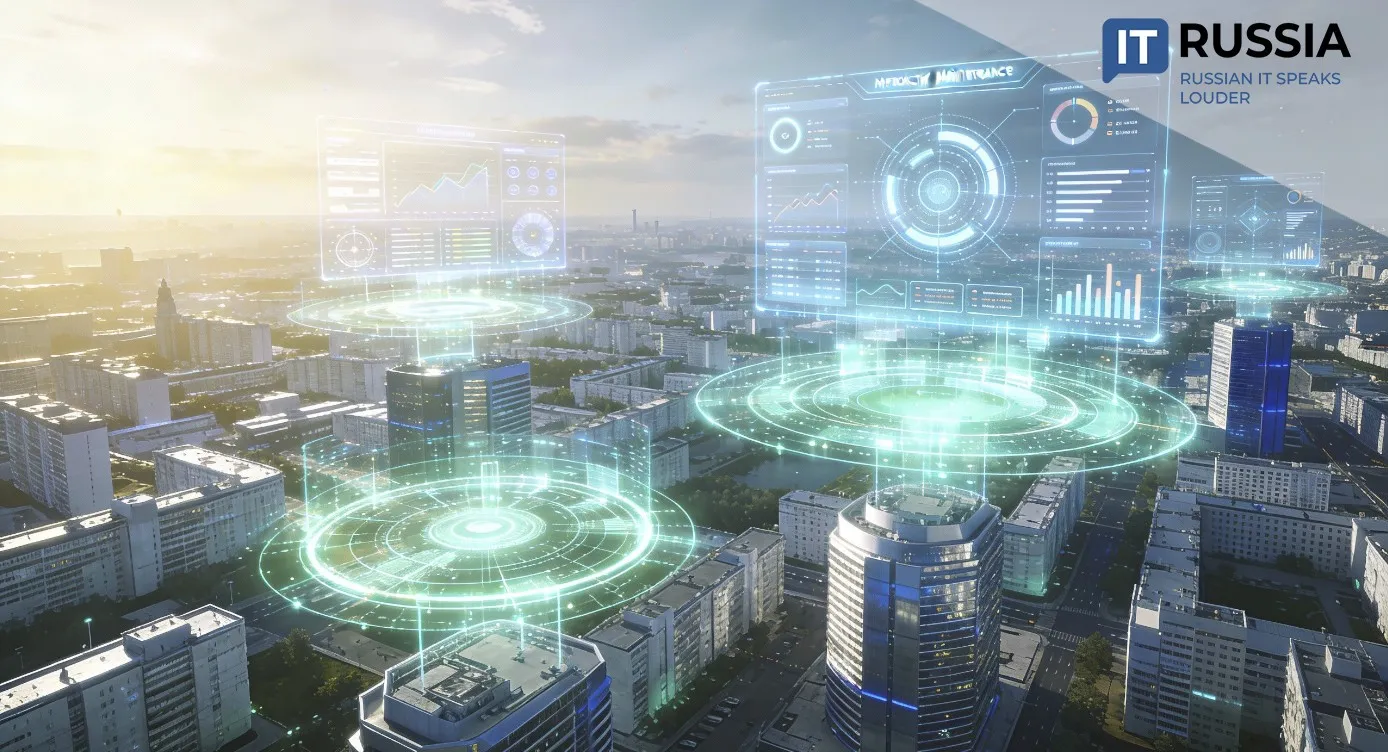
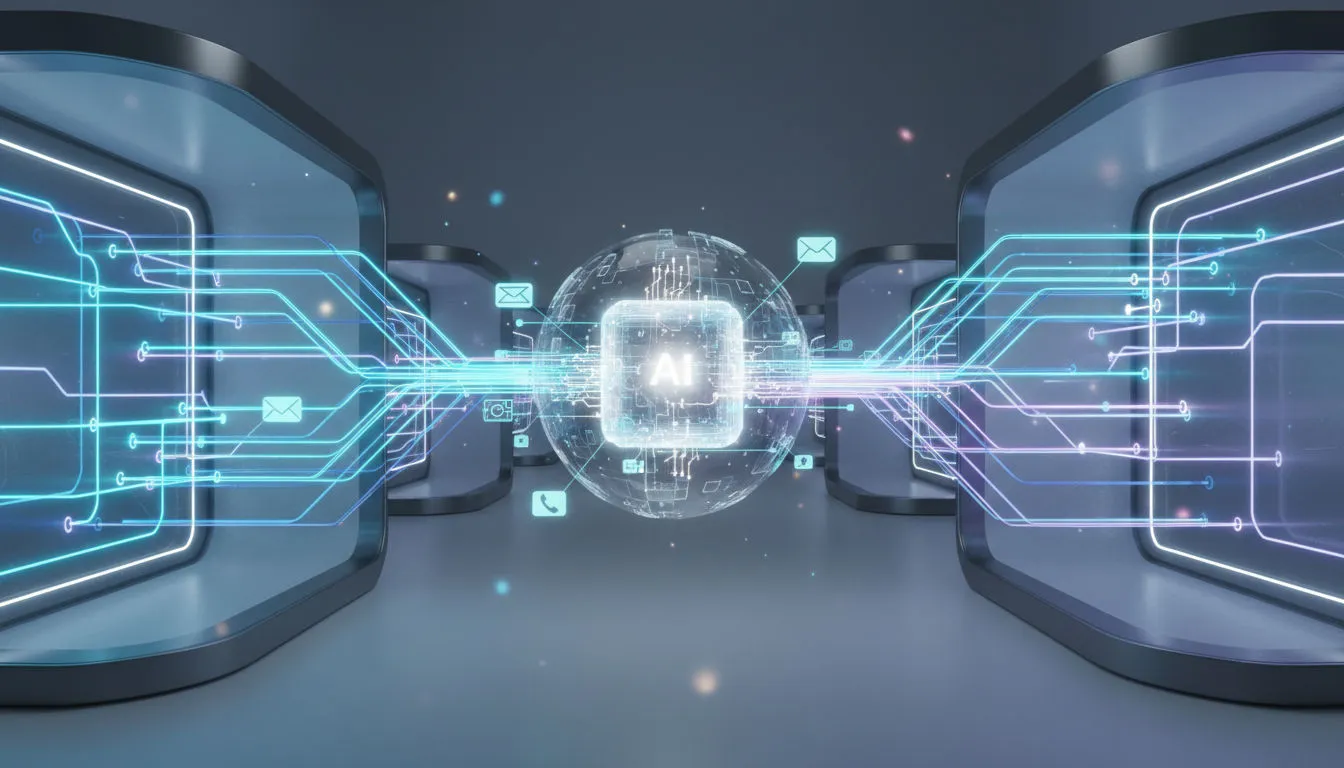
The key trend set in 2025 is a move toward comprehensive ecosystems with AI at the core. Wellsoft’s AI dispatcher is designed as an integration-ready solution that works with existing platforms, CRM systems, and resident mobile apps. Within such an ecosystem, the assistant can not only handle incoming requests but also forecast potential incidents by analyzing data, optimize contractor and technician schedules, and personalize resident communications by proactively sharing critical updates.
The AI dispatcher announcement is a trigger for deep, industry-wide transformation. Over the next two to three years, similar solutions are likely to become the standard for digitally mature management companies, spurring competitive offerings. Successful integration will shift the sector from reactive problem-solving to preventive management.
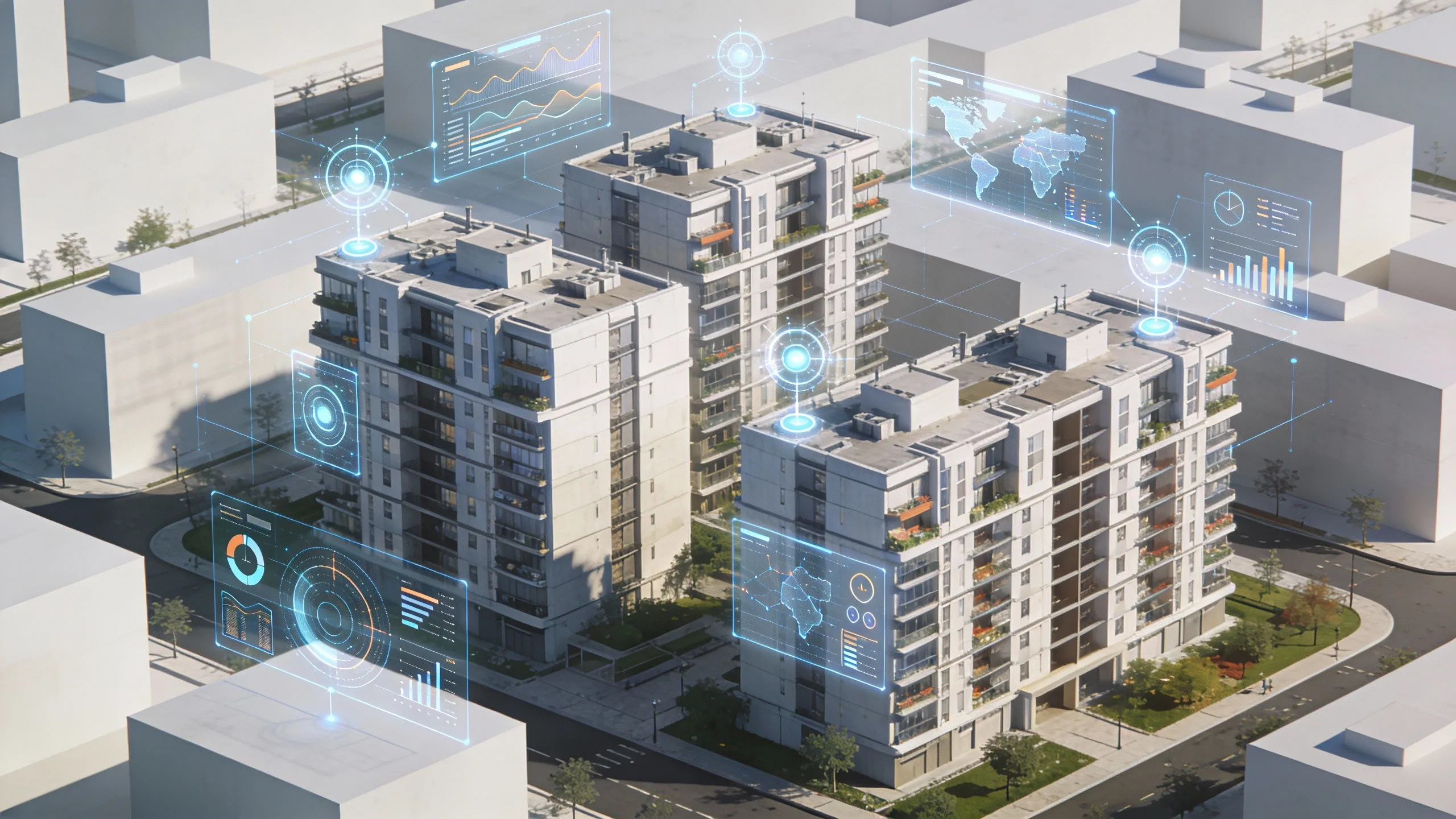
The result will be not only economic efficiency but also a significant increase in transparency, speed, and service quality, ultimately boosting trust among millions of residents. The success of Wellsoft’s pilot projects will serve as a benchmark for the pace of this inevitable transition to intelligent housing management.