Digital Twins: From Pilot Projects to Industry Standards
In 2025, digital twins developed by Rosatom moved beyond pilot testing into full-scale industrial deployment. The technology models nuclear power plants in real time, reducing risks and operating costs.

Pilot Projects Prove Their Value
At the beginning of 2025, Rosatom completed several pilot digital twin projects for key nuclear infrastructure facilities. These virtual models replicate, in real time, the behavior of equipment, cooling systems and reactor circuits. Over the course of a year, the technology cut diagnostic time by 30% and helped avert downtime worth billions of rubles.
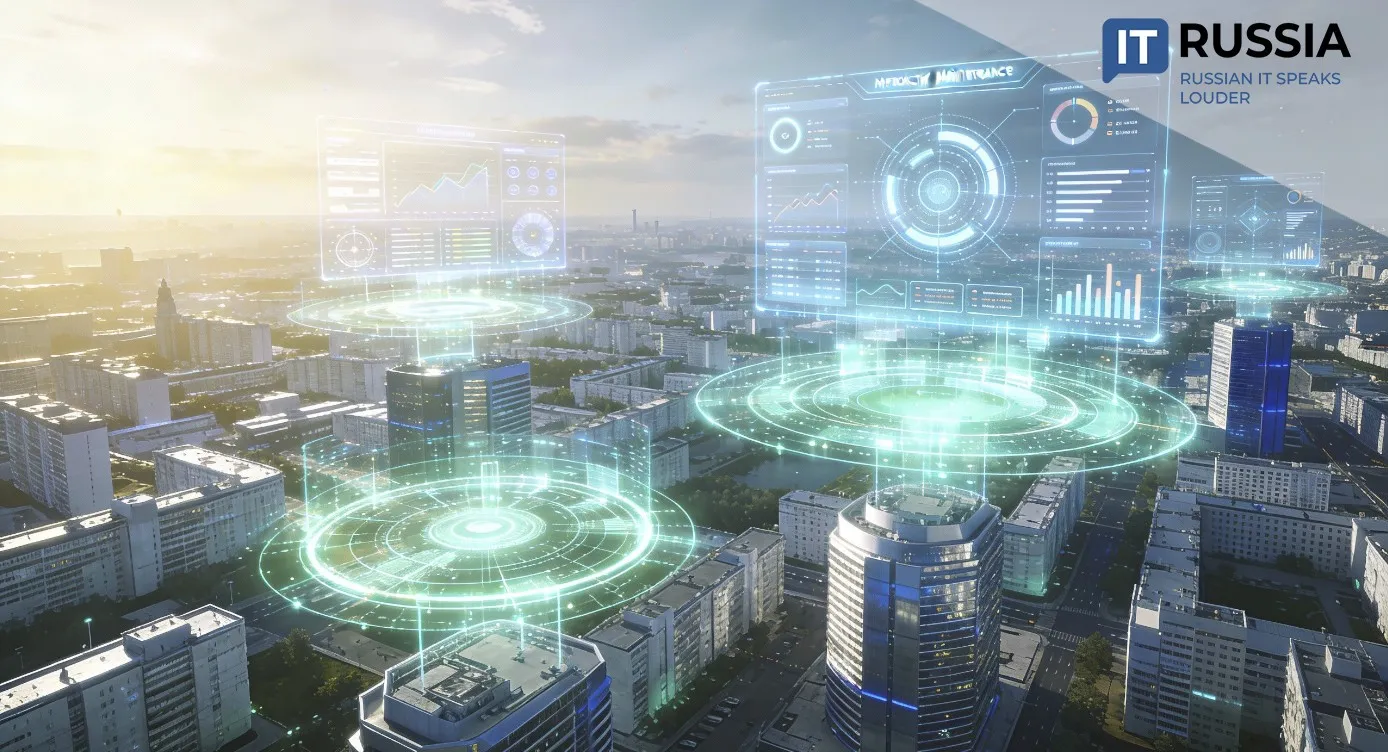
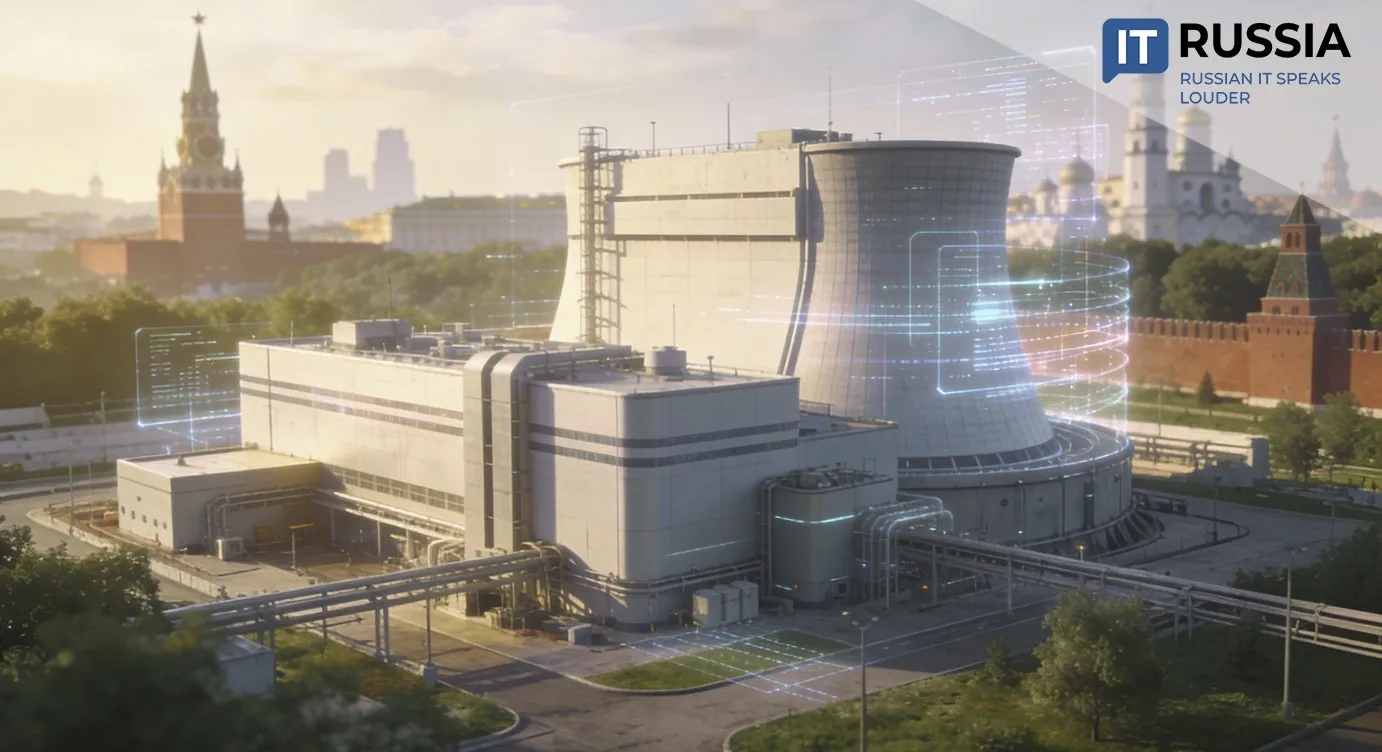
The shift from testing to large-scale rollout came in the summer, when a digital twin was deployed at the Beloyarsk Nuclear Power Plant for the BN-800 fast reactor. The system processes data from thousands of sensors, predicting component wear and optimizing maintenance schedules.
AI Integration Accelerates Progress
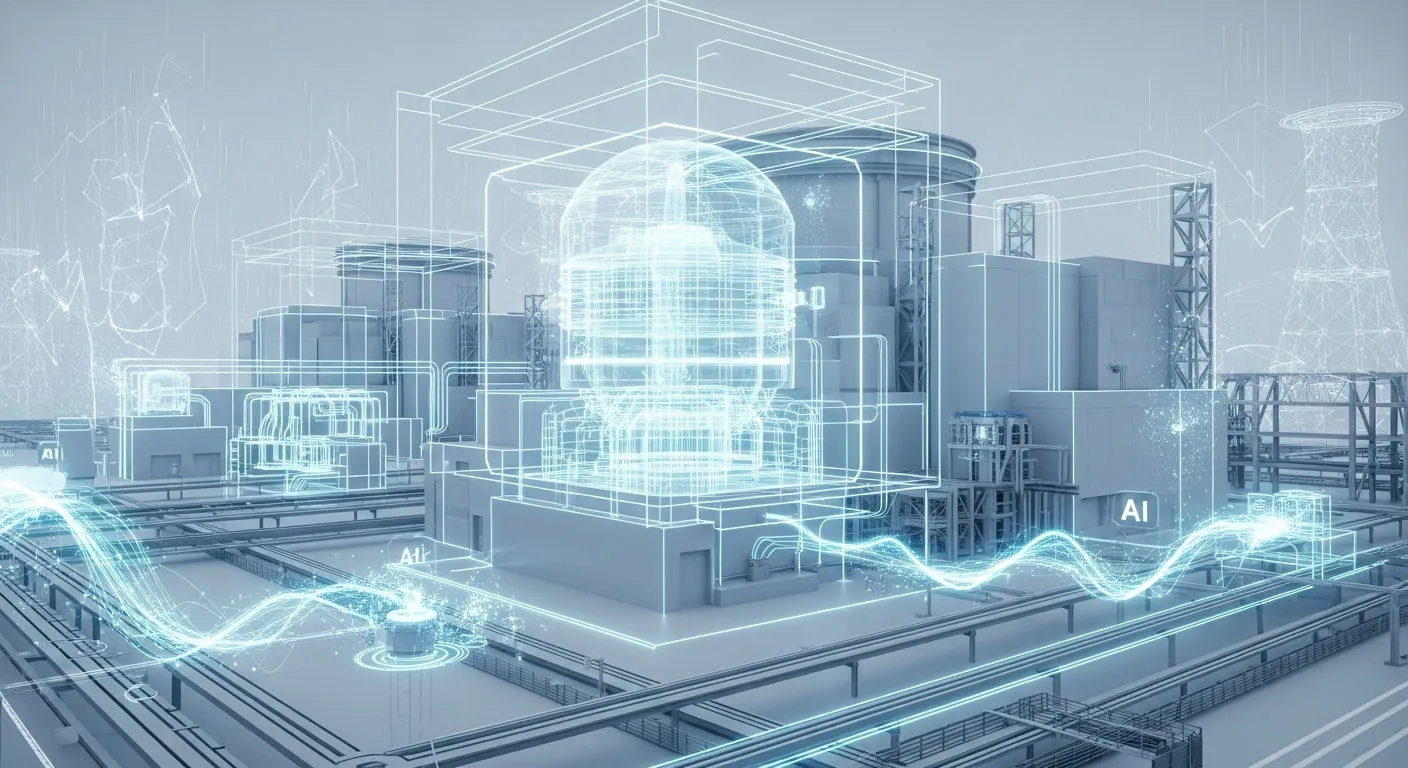
By mid-2025, digital twins had been integrated with neural networks and machine vision systems. Physics-informed models can now automatically adjust parameters based on incoming data from drones and cameras. This made it possible to detect microcracks in reactor vessels in real time without shutting down the unit.
Rosatom has built a unified ecosystem covering the entire lifecycle, from design to operation. In November, the corporation announced the standardization of this approach for all new power units – 38 in Russia and 31 abroad.
Risk Reduction and Exporting Standards
Digital twins significantly reduce human error in critical processes. In 2025, a model at the Kursk Nuclear Power Plant predicted a turbine malfunction a full day before an incident could occur, preventing an accident. Maintenance costs dropped by 15–20%.
The technology is already being exported. In Turkey and Egypt, digital twins for the Akkuyu and El Dabaa nuclear power plants enable remote monitoring from Russia. By 2026, Rosatom plans to certify the platform for the global market.
Looking Ahead to 2030
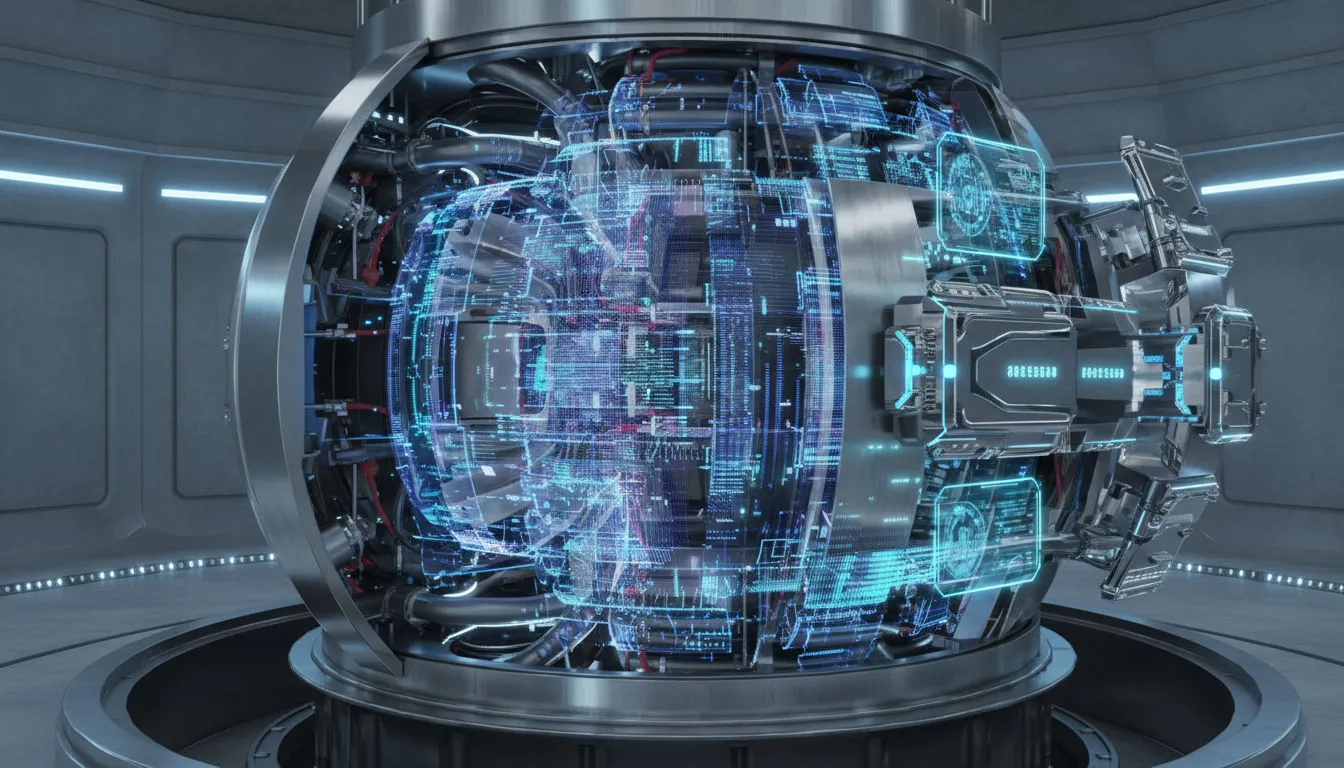
By 2030, digital twins are expected to become a mandatory standard for all Rosatom nuclear power plants. Full integration with artificial intelligence is planned to enable autonomous control, with systems independently optimizing fuel cycles and energy balance. The Russian industrial digital twin market is projected to grow fivefold.
These developments will also extend into other sectors, including oil and gas, transportation and aviation. Rosatom plans to create an open platform where Russian IT companies can develop modules tailored to their own infrastructure.