AI on Quality Watch: How Novosibirsk Scientists Are Teaching Machines to See Defects
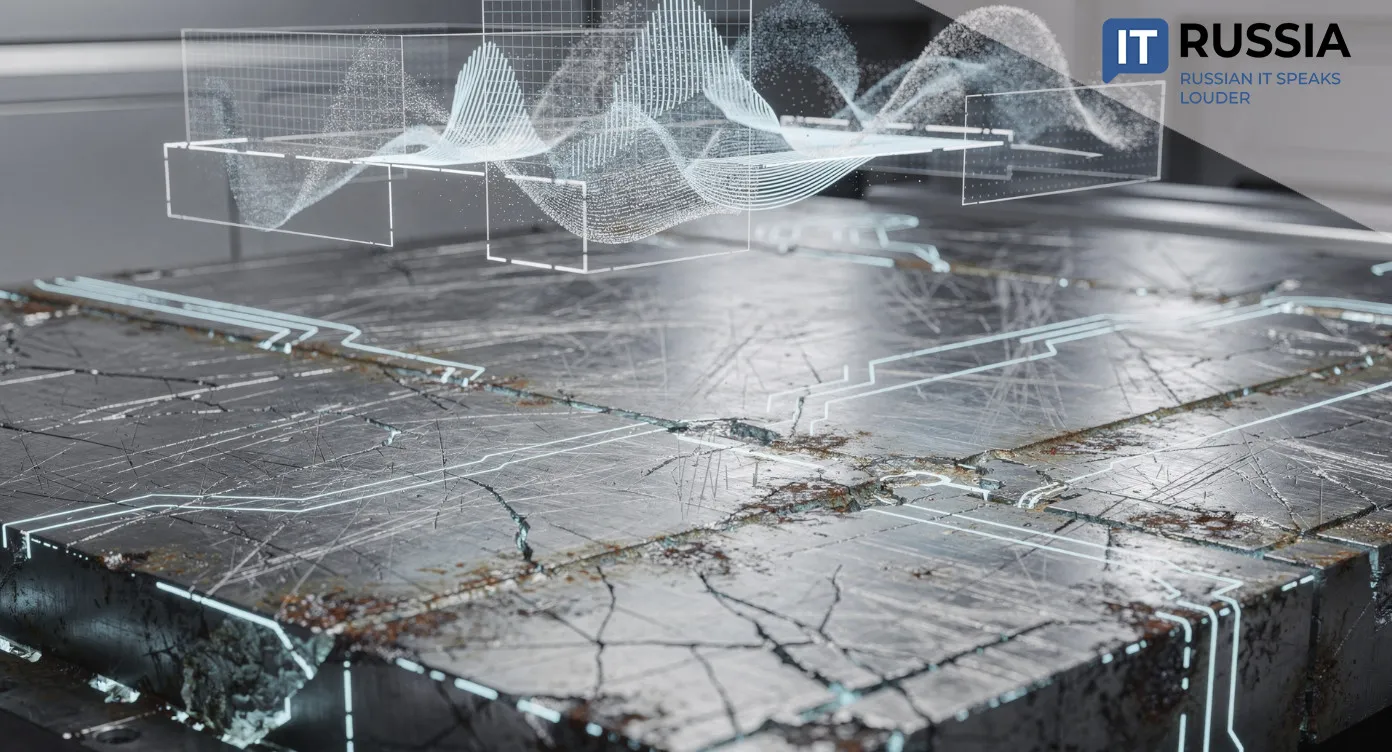
*Researchers at Novosibirsk State Technical University (NSTU) have developed an AI-based quality control system for industrial use with an accuracy of 87%. The technology can automatically detect cracks, dents, and corrosion spots on steel surfaces using images taken with an ordinary camera.*
A Breakthrough in Industrial Inspection
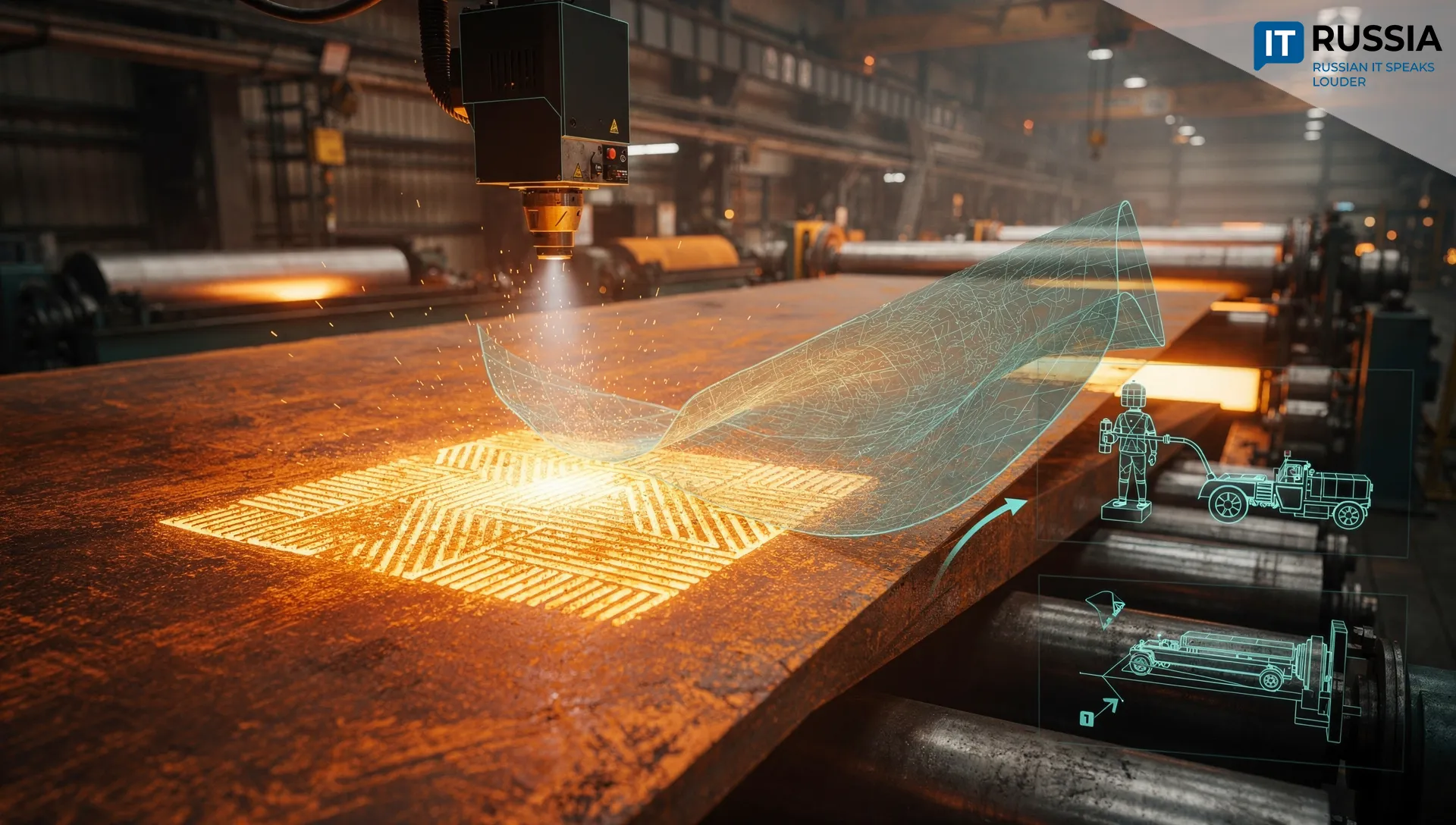
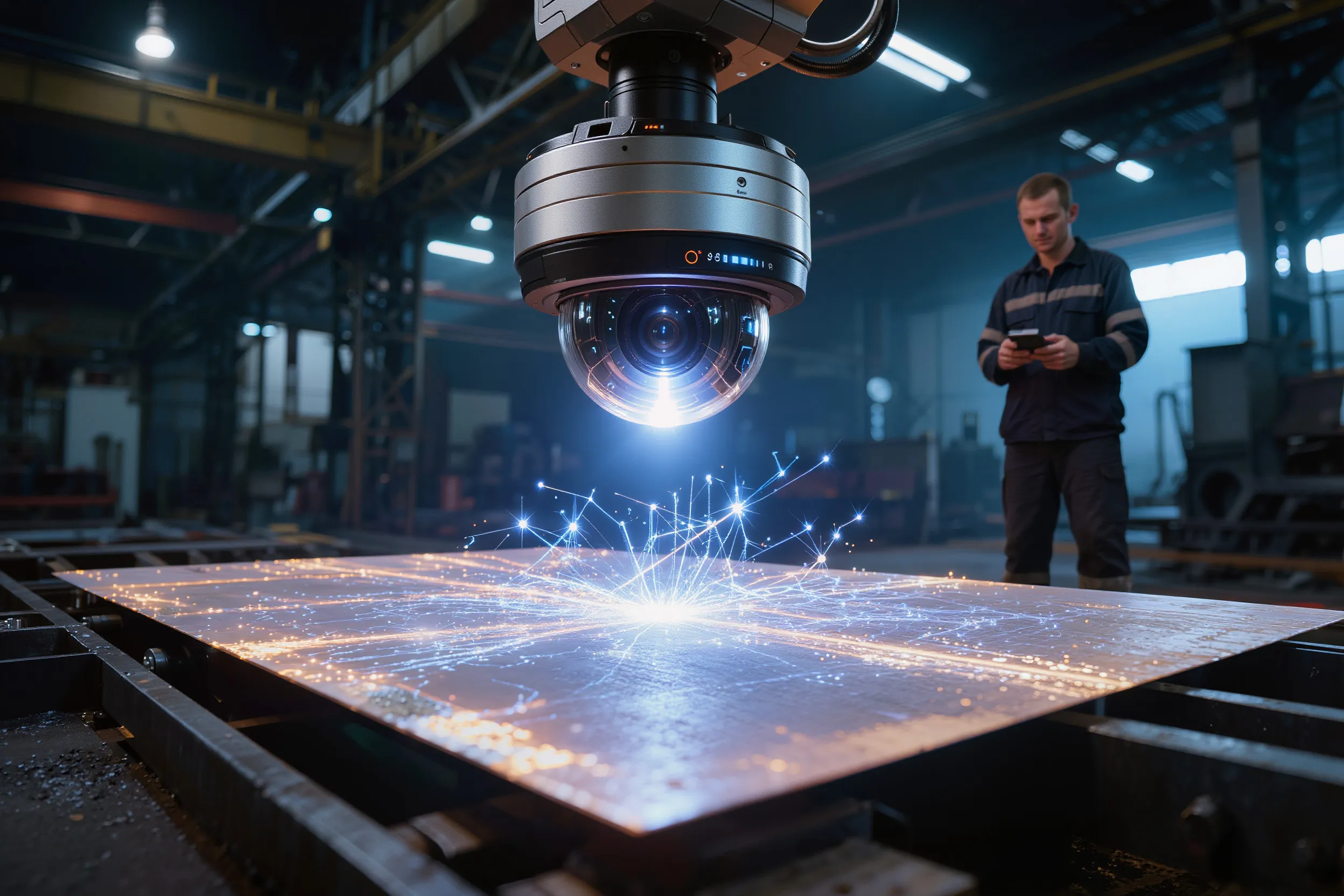
Imagine a factory worker taking a photo of a metal component with a regular smartphone, and within seconds the system reports whether the surface contains a crack, a scratch, or corrosion. This scenario is no longer hypothetical. It is already a working reality created by researchers at Novosibirsk State Technical University (NSTU). The team has developed an AI-driven quality inspection system capable of identifying defects on metal surfaces from simple photographs – without expensive cameras, specialized lighting, or massive training datasets.
How the Technology Works
At the core of the solution is a so-called triplet neural network. Unlike conventional computer vision models that require thousands of labeled images for training, this architecture can learn effectively from relatively small datasets. As a result, the system is able to recognize rare or previously unseen defects and adapt to new conditions without lengthy retraining cycles. Its accuracy reaches approximately 87% on test data, making the solution competitive even by global standards.
Crucially, the system does not require specialized hardware. An ordinary camera is sufficient, including the kind built into standard smartphones. This dramatically lowers the entry barrier for industrial companies and opens the door to large-scale adoption across a wide range of production environments.
Why It Matters for Russia
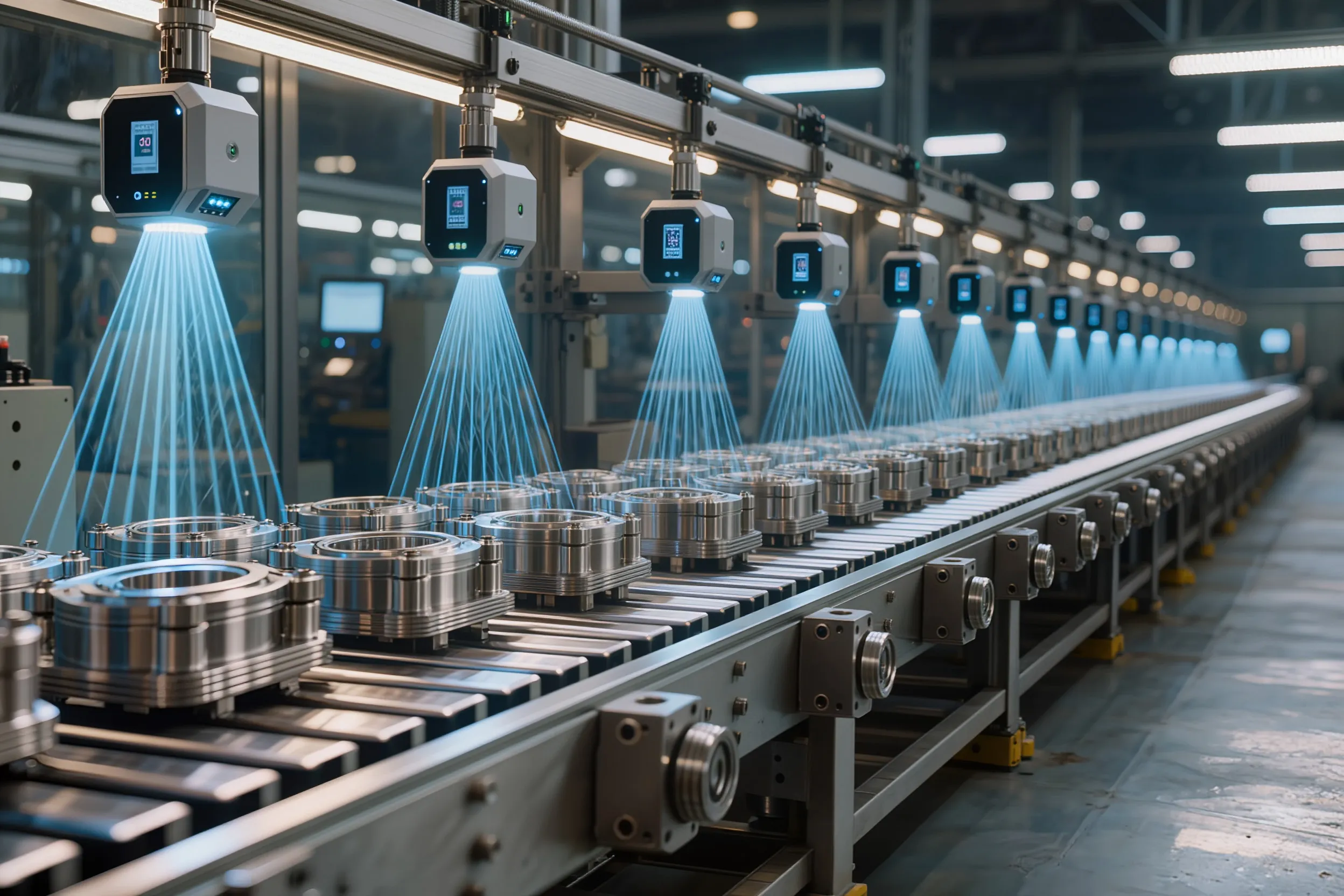
Russian industry still relies heavily on manual and visual inspection, processes that depend on operator experience and are vulnerable to human error. The new system makes it possible to automate quality control, increase the reliability of manufactured products, and reduce costs associated with defects and repeated inspections. The technology is particularly promising for metallurgy, mechanical engineering, and the maintenance of industrial infrastructure such as pipelines, bridges, and energy facilities.


Beyond operational efficiency, the development strengthens Russia’s position in industrial AI. Under conditions of limited access to large international datasets and ongoing sanctions, low-data AI solutions of this kind become strategically important, offering technological independence without sacrificing performance.
Export Potential and Global Challenges
The global market for industrial AI is growing rapidly, and demand for solutions that can operate with minimal data is especially strong in countries with developing industrial sectors. India, China, Southeast Asia, and the Middle East are actively modernizing their manufacturing bases and are seeking affordable yet effective quality inspection systems. The Russian technology, which can be easily adapted to local conditions, has the potential to secure a visible niche in these markets.
In Europe and the United States, interest in similar systems is closely tied to the expansion of Industrial IoT – intelligent monitoring and predictive maintenance platforms. In this context, the NSTU solution could also find applications as part of integrated industrial ecosystems.
The research team is already planning pilot projects at major Russian industrial enterprises. The first two years will be critical for gathering feedback and refining the algorithms. In the medium term, the roadmap includes commercialization, integration with industrial control systems such as MES and SCADA, and adaptation for edge devices – compact embedded computers operating directly on production lines. In the long run, the goal extends beyond exporting finished products to delivering software platforms that would allow other countries to develop their own quality control systems based on Russian AI technology.

A Step Toward Smart Manufacturing
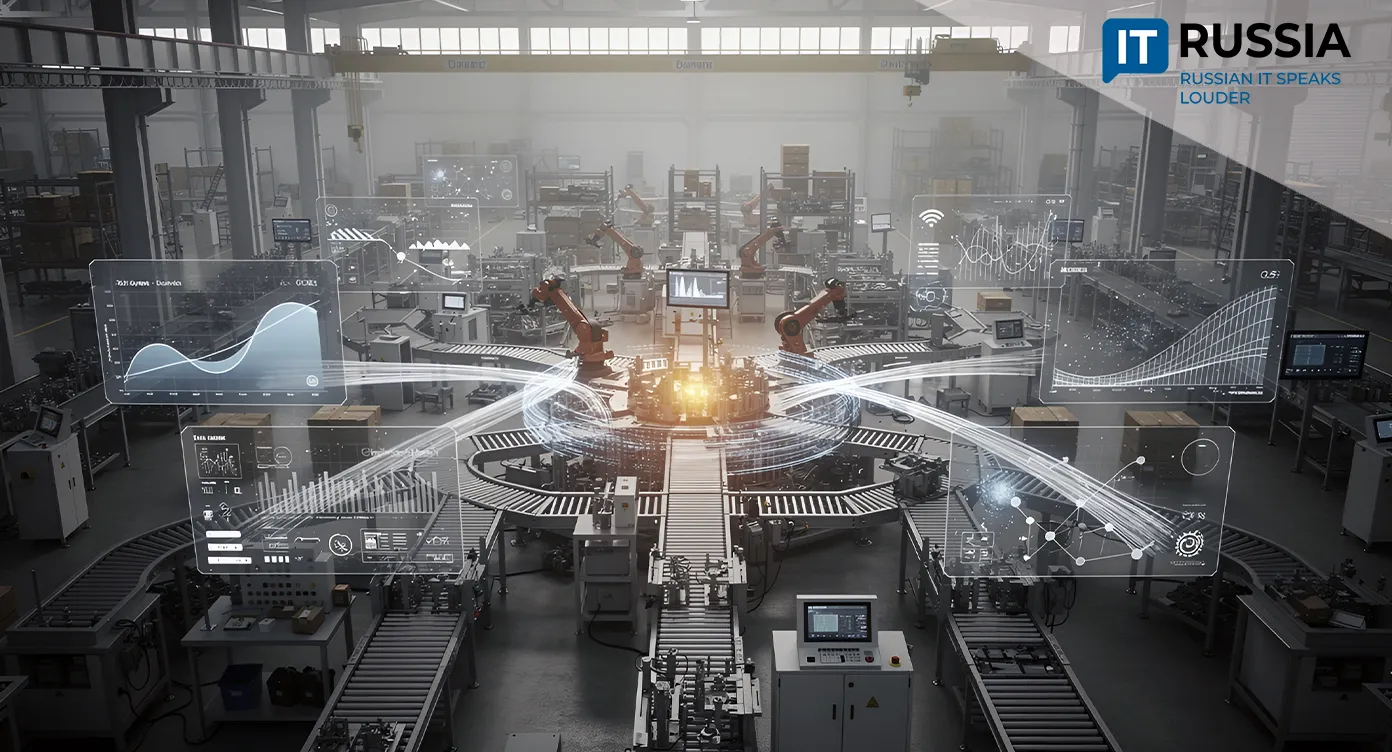
The work of the Novosibirsk researchers is a clear example of how science can directly serve the economy. This is not merely a technological breakthrough, but a practical tool that improves safety, quality, and competitiveness in manufacturing. In the era of digital transformation, such solutions are no longer optional – they are becoming essential. And Russia is positioning itself to play a meaningful role in shaping this future.