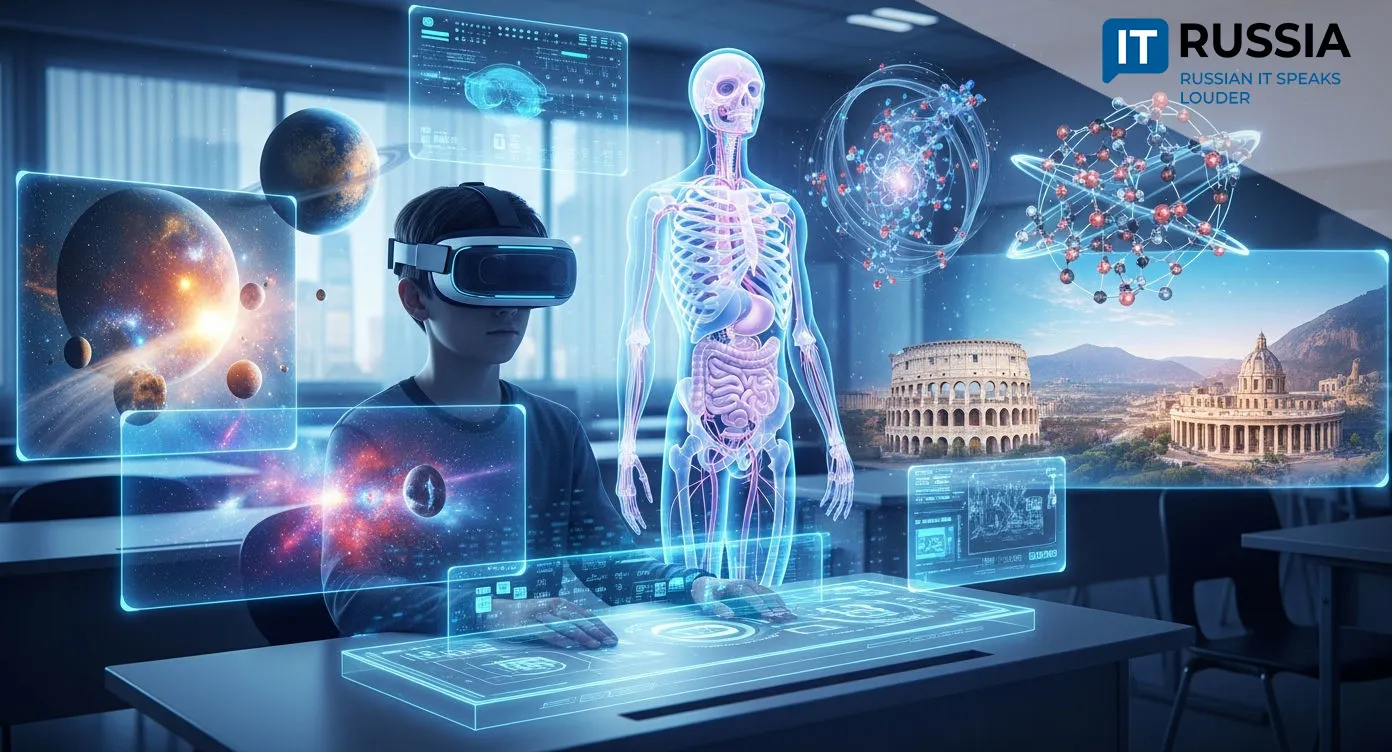
AR Glasses Based on Arduino – A Gift for Russian Healthcare
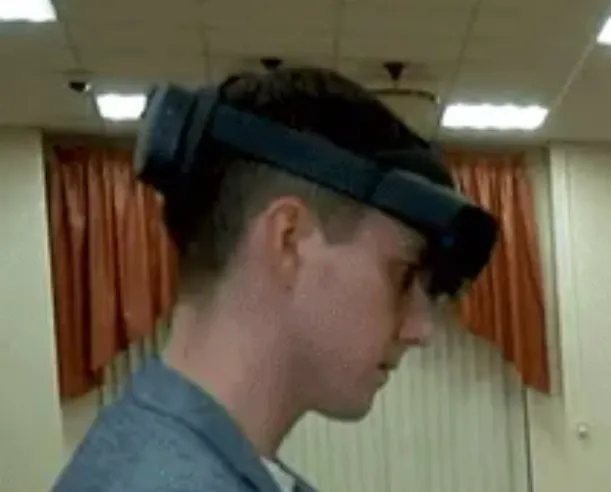
Scientists at the Moscow State University of Electronics, Radio Engineering, and Automation (RTU MIREA) have developed a prototype of augmented reality (AR) glasses powered by Arduino Nano, capable of projecting anatomical data directly onto lenses during surgical operations.

A Gift to Healthcare
In 2025, Russian science delivered a significant gift to domestic healthcare. Engineers from the Moscow State University of Electronics, Radio Engineering, and Automation (RTU MIREA) developed a prototype of augmented reality (AR) glasses that could transform surgical operations. This is not just a technological innovation – it is a direct contribution to saving lives, improving the accuracy of interventions, and advancing medical education. For doctors, students, and patients, this innovation could represent a real breakthrough, especially in the context of the country’s push for technological sovereignty.
At the core of the development is the compact and affordable Arduino Nano microcontroller, which powers the functional prototype of the AR glasses. The device can project anatomical data directly onto the lenses: the surgeon sees not only the surface of the patient's body but a 'transparent' model of internal structures – vessels, nerves, and organs. Such visualization is especially critical during complex surgeries, where millimeters can determine the outcome of the procedure.
The software, developed within the 'Priority 2030' program, helps the surgeon navigate three-dimensional anatomy in real time. Importantly, the technology is open, scalable, and, crucially, entirely Russian, with no dependence on foreign platforms or expensive imported components.

Proven Effectiveness: Numbers Don’t Lie
Global experience already confirms the effectiveness of AR in medicine. In neurosurgery, augmented reality technologies reduced navigation errors by 30%, in cardiothoracic surgery they shortened operation times by 15% and improved stitching accuracy, while in orthopedics, they reduced the number of repeat surgeries for joint prosthetics by 20%. Laparoscopic surgeries have become 10% more accurate and faster.

Next-Generation Medical Education
The role of AR glasses in medical education is equally significant. Medical students will be able to practice complex procedures in a safe, yet realistic environment. Virtual anatomical layers on a 'live' mannequin or simulator will allow future doctors to build confidence without risking patient safety. This is not just a training device – it is a bridge between theory and practice, which can significantly shorten the 'transitional period' for young specialists.

Sovereignty, Accessibility, and the Future
The creation of AR glasses based on Arduino is not just a technological step – it’s a strategic move. Minimizing reliance on expensive Western systems, using open architectures, and fostering local development make the technology accessible even to regional clinics. This means high-precision operations will no longer be the privilege of federal centers.
The importance of this development cannot be overstated. First, it’s a direct path to improving surgery safety and reducing the risk of medical errors. Second, the technology opens new horizons for medical education: students will be able to train on virtual patients with incredible anatomical variation capabilities.

As the New Year approaches, this project symbolizes hope, progress, and responsibility. Russian medicine is gaining not just a tool, but a new direction for development. And if AR glasses become part of everyday surgical practice, the prototype developed at RTU MIREA will lay the foundation for a future domestic standard of high-tech surgery.