Russian Scientists Turn an Ancient City Into a Video Game
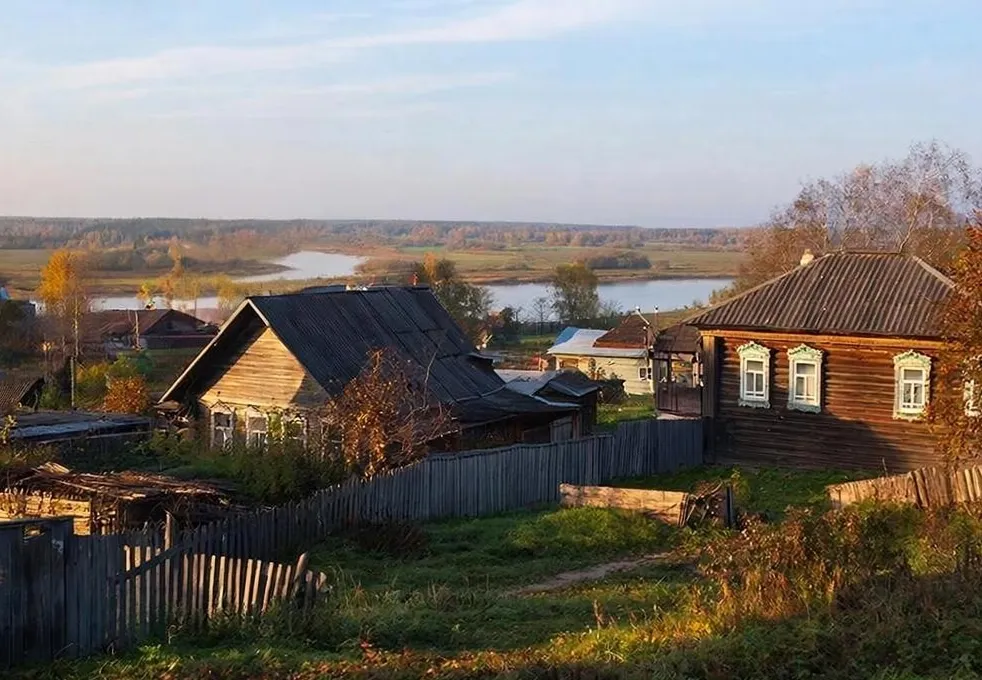
A research team from Tver State University has reconstructed a historic city using digital technologies and created a game inspired by its legends.
Russian researchers have used digital technologies
to recreate the appearance of an ancient city in the Tver region and turn it
into a video game inspired by its history. Toropets is one of Russia’s oldest
towns, first mentioned in chronicles in 1074. One of the country’s well-known
architectural styles originated here, giving the project global significance.
“The game project based on
pre-revolutionary Toropets became a very interesting experience for us. It was
the first time we tried applying our digital models in the gaming industry. We
aimed not to create a commercial game, but rather to experiment with deeper and
more detailed use of digitized data to recreate historical reality as
accurately as possible — the way it existed about 150 years ago,” Mikhail
Babaitsev, the project’s author, a postgraduate researcher at Tver State
University and an additional education instructor, told IT RUSSIA.
An Image Taken From the Museum
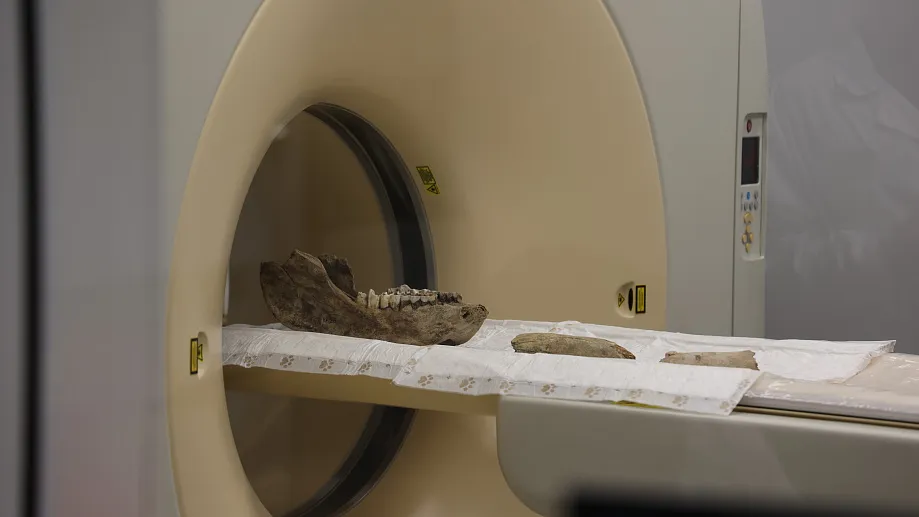
The project was built around models created
by digitizing artifacts from historical museum collections, as well as scanning
objects that have survived to this day. Combined with a range of other
technological solutions, the goal was to make the project more than just
another VR quest for entertainment. Instead, it was conceived as a carefully
designed, meaningful environment of interest not only to researchers and
specialists, but also to museum visitors, young people, and anyone interested
in history.
“Modern tools for creating interactive
content play a major role in bringing such ideas to life, above all game
engines. Without them, developing projects like this would require enormous
financial investment. But because many software products are distributed as
open source and can be used free of charge for both commercial and
non-commercial purposes, researchers and enthusiasts now have a real
opportunity to try themselves as developers of interactive historical
environments,” the researcher explained.
Babaitsev stresses that formats like this
expand both scientific and educational possibilities.
“I think the spread and popularization of
such technologies is a natural and necessary process — including their use in a
traditionally conservative field like history. Digital methods do not replace
historical research. They expand its toolkit, making it more visual,
accessible, and interdisciplinary,” the researcher said.