Andrey Vishnyakov Says 2025 Became a Year of Gradual AI Adoption in Business
Russian experts describe artificial intelligence as one of the key IT trends of 2025.
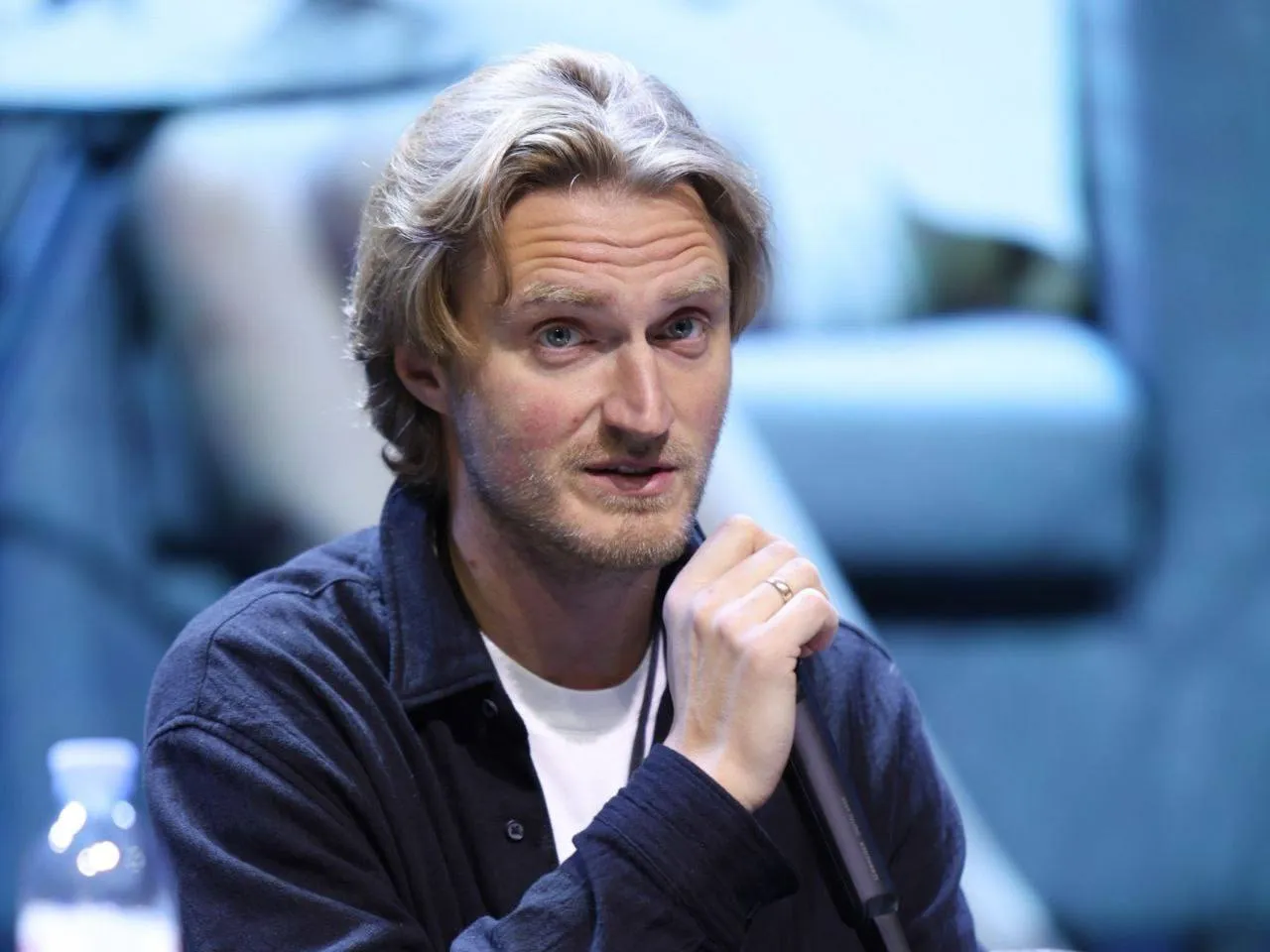
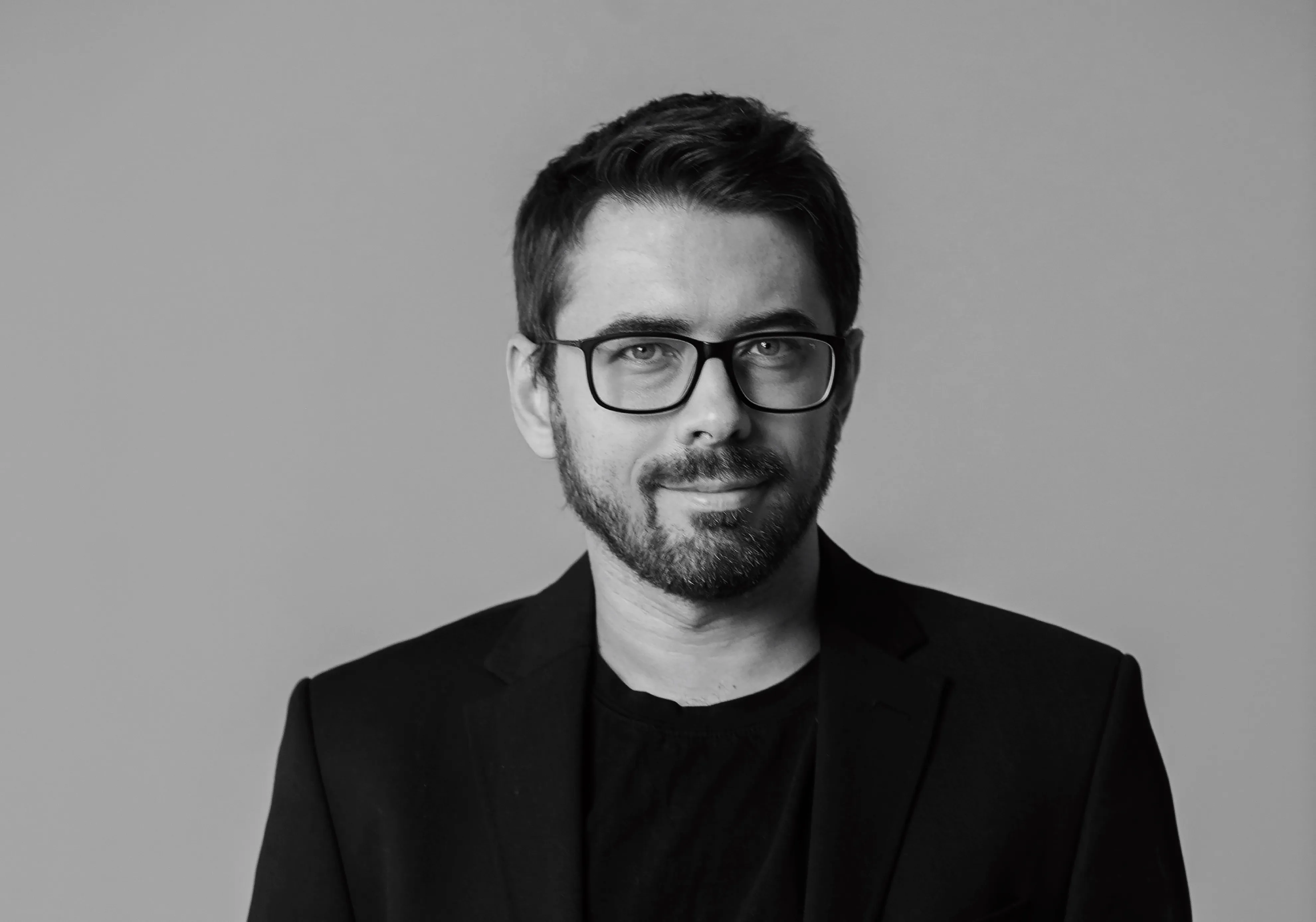
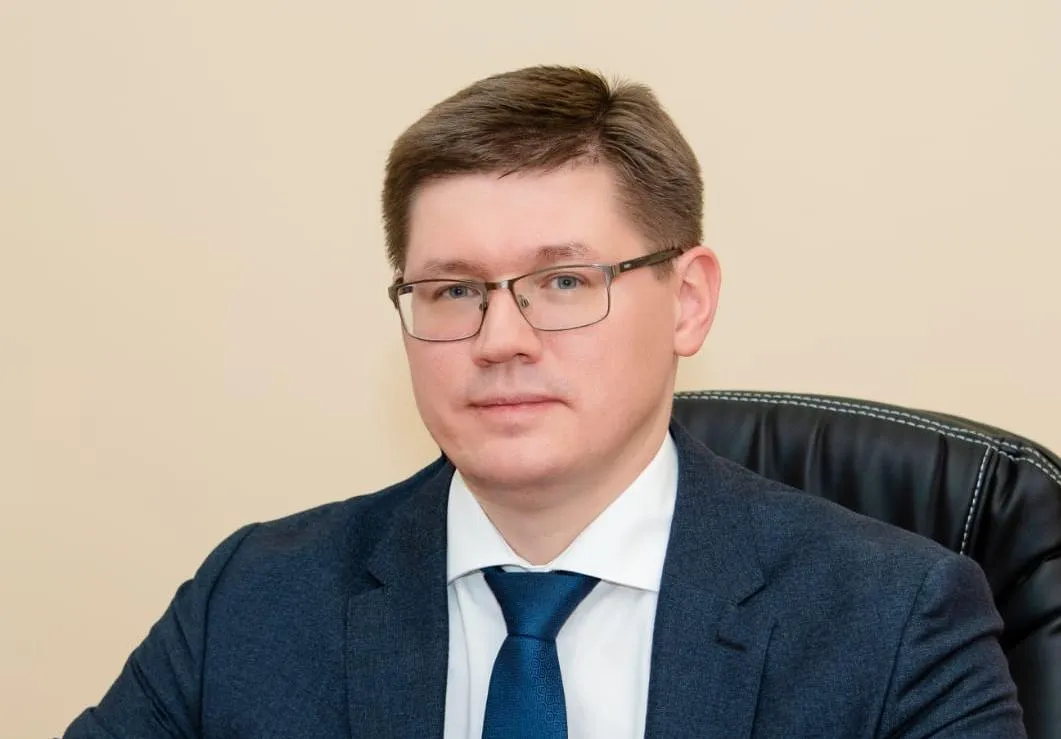
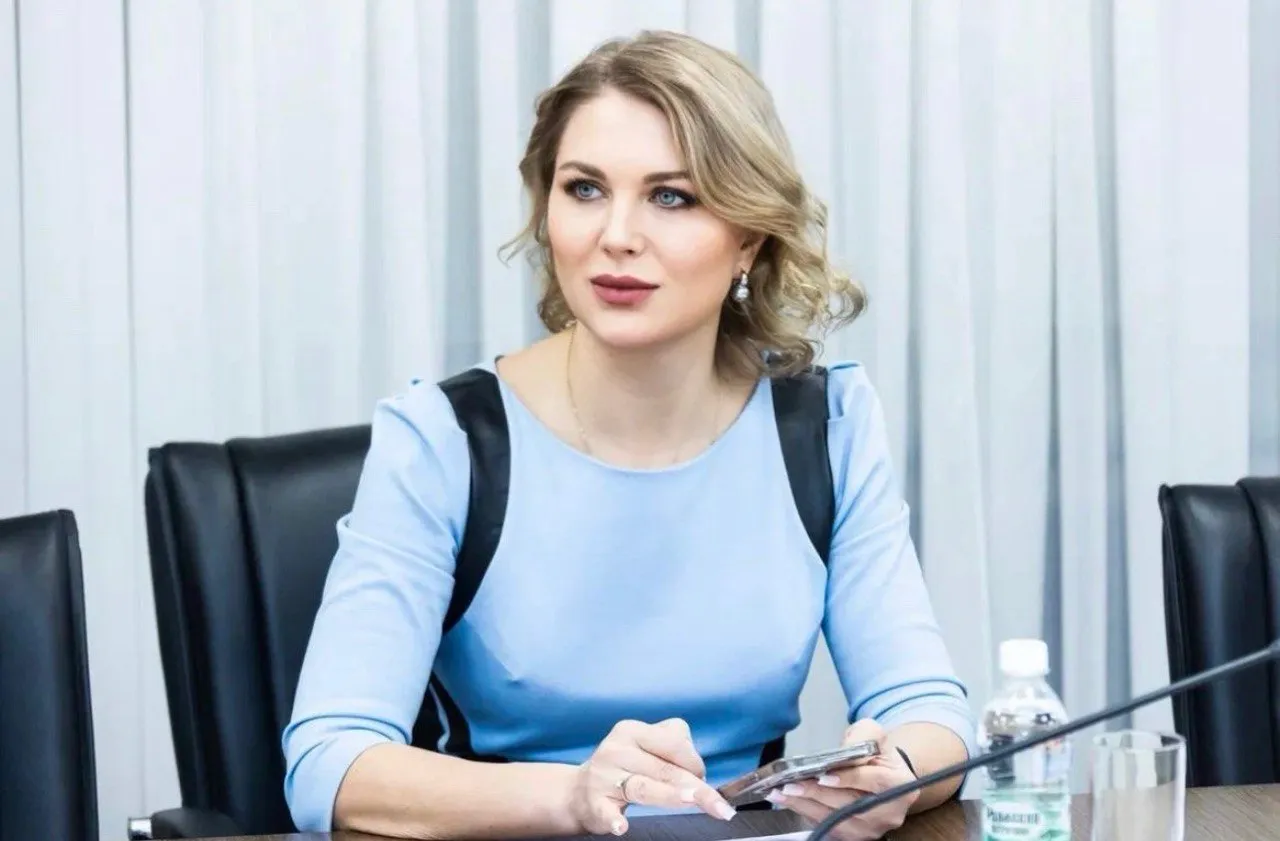
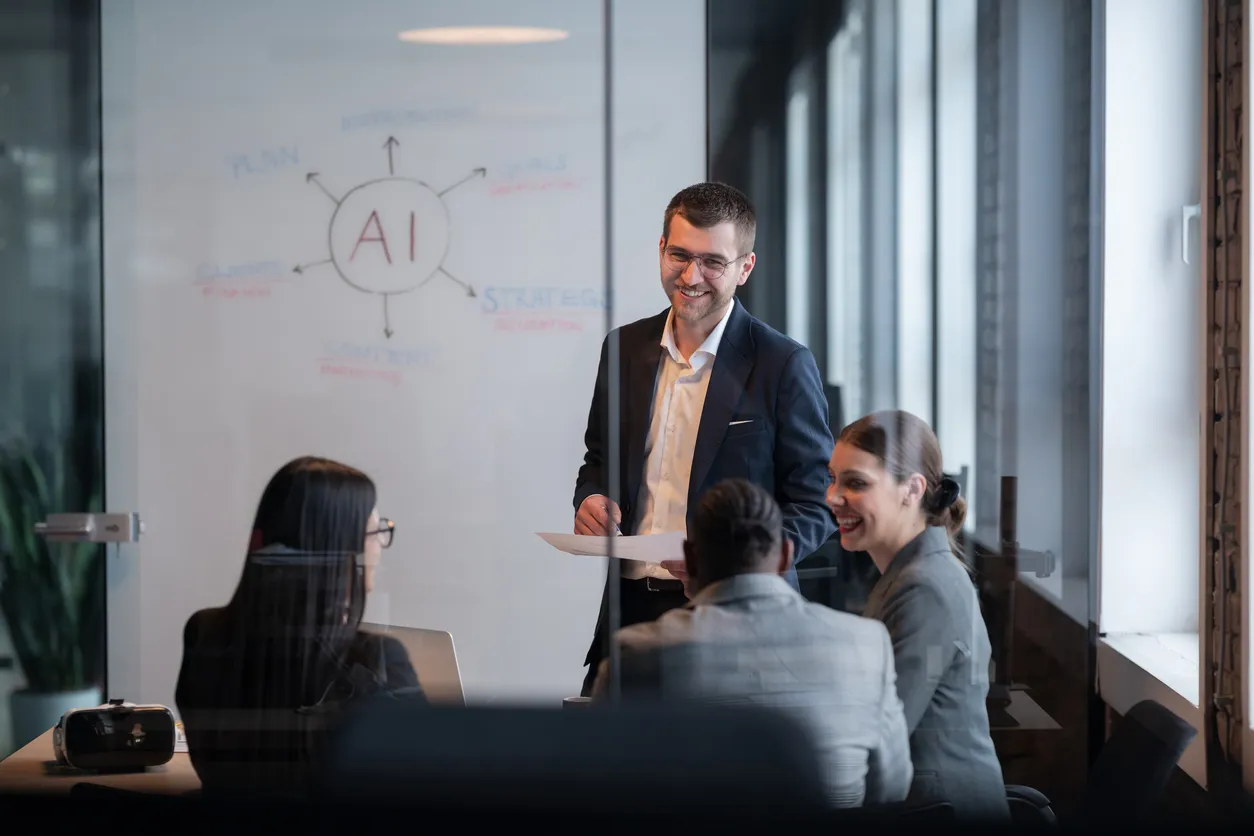
Photo: Andrey Vishnyakov's personal archive
Russian analysts describe “experimentation”
with artificial intelligence as the main trend in the IT sector in 2025.
According to Andrey Vishnyakov, founder of the neuro-artel Poleznye Tsifry and
an expert in AI and digital development, the year was defined by hands-on
practice and testing hypotheses in real business settings.
“The main focus was on developing B2B
solutions based on generative models and RAG systems. Work with micro and small
businesses under government contracts delivered the most valuable results – not
in the form of polished presentations, but through direct, real-world feedback.
In practice, it became clear that without a deliberate and systematic approach,
AI can easily turn into an additional operational burden for companies,”
Vishnyakov said.
According to him, this experience became
the foundation for shaping a methodology of “gradual” AI transformation in
business. Rather than abrupt technology rollouts, the approach is based on
steady progress through operational and infrastructural maturity – from
disciplined data management and workplace organization to elements of agile
transformation.
Focus on In-House Development
Vishnyakov described the launch of the
MANUSPEKT management decision-support service as his main professional
milestone of 2025. The platform was conceived not only as an analytics tool,
but also as an AI coach for teams.
“The outlook for 2026 is already largely
defined. Preparatory and exploratory work is planned for the construction of
our own data center, designed primarily for AI computing. In addition, in
December 2025, the Forum of Creative Industries hosted discussions on the
regulation and stimulation of AI transformation together with the Leningrad
Region Entrepreneurship Support Fund. Creative entrepreneurs and artists are
often the first movers today, actively using generative models for video, audio,
and storytelling. Increasingly, this experience is beginning to spill over into
more traditional sectors of the economy,” Vishnyakov noted.