Kirill Pshinnik Says EdTech of the Future Is to Become a Strategic Partner for Business
Russia’s online education market saw a sharp boom in 2025, and experts expect the trend to accelerate further in 2026.
Photo: Kirill Pshinnik's personal archive
For the second year in a row, Russia’s
online education market has shown steady growth. In 2024, according to Rosstat,
the sector’s volume exceeded one trillion rubles. In 2025, experts expect this
figure to rise further.
As Kirill Pshinnik, co-founder and CEO of
Zerocoder University, notes, EdTech today is a technology-driven business that
has automated a significant share of its operations and is focused on training
people in in-demand skills needed by the state and Russian businesses.
AI Replaces the Blackboard
“The main AI learning trends are a surge of
interest in vibe coding and the integration of AI into educational tracks. In
2025, AI tools overall have radically improved interaction with new clients and
prospective students. Russian neural networks GigaChat and Alisa are of
particular interest. Over the past six months, they have made a real
breakthrough: open reasoning modes have appeared, video and long-text
transcription has become more convenient, and the quality of code generation
has improved significantly. Another advantage of domestic solutions is the
absence of payment and access barriers: 90 percent of features are available
for free, which perfectly addresses the everyday needs of millions of users,”
Pshinnik said.
Looking ahead, experts expect growth among
companies focused on generative AI solutions. Companies such as MTS are
entering the AI services market for B2C audiences. This indicates that neural
networks in Russia are increasingly seen as assistants and partners rather than
as a threat to jobs.
Appeals to a Broad Audience
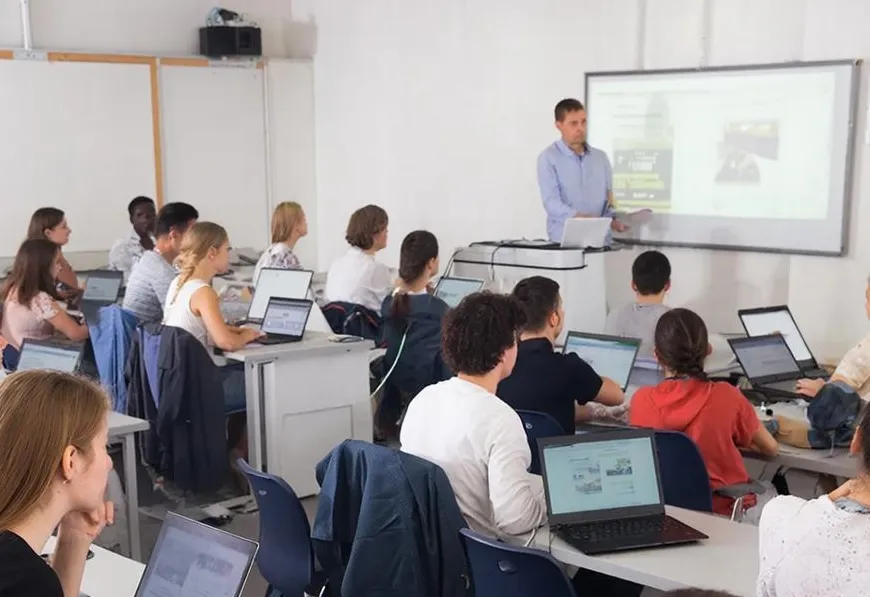
“The most attentive audience for courses on
new technologies is primarily adult internet users aged 35–40 and older –
established professionals looking to master the technical capabilities of
neural networks. They are not trying to erase their professional past or jump
from being lawyers to programmers. They want to simplify routine work and free
up time for personal tasks. These people choose practical courses on Russian
and Chinese neural networks for everyday life and careers. Such learners
account for more than 70 percent,” Pshinnik noted.
According to Zerocoder, the number of
students with a technical background is also growing, including those with a
basic understanding of simple programming languages. They want to quickly test
ideas by launching personal startups or supporting companies as freelancers.
For this audience, professional courses in vibe coding and prompt engineering
are especially attractive.
“I think the EdTech will become a true
strategic partner for business in the future – a forge for skilled
professionals where a passion for technology, strong professional experience,
and deep understanding of market needs come together. This combination will
create ideal conditions for self-development and strengthening the country’s
technological sovereignty,” Pshinnik concluded.